
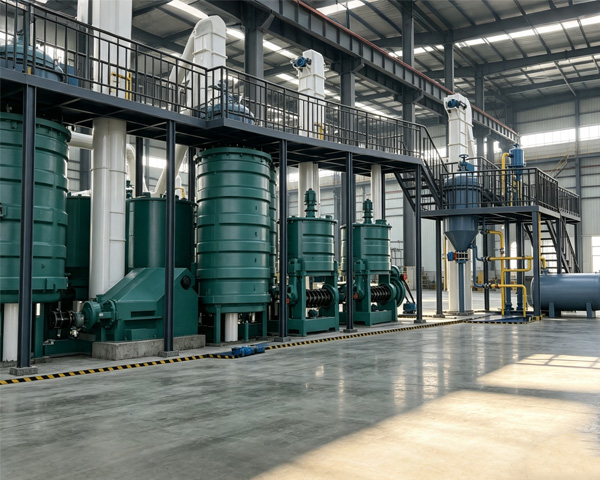
You’ve selected the right oil press machine and oil expeller for your mill. The factory building is ready. The workers are hired. But there’s one variable that can eat into your profit margins at any moment.
That variable is the price of groundnuts.
Groundnuts are the largest variable cost for any oil mill, accounting for 75%–85% of total operating expenses. And groundnut prices can fluctuate by as much as 30% or more within a single year. During the harvest season, prices drop to ₦80,000–100,000 per 100kg. During the off-season (February–April), they can climb to ₦120,000–140,000. For a medium-sized mill processing 10 tonnes of groundnuts per day, this price gap translates to millions of Naira in monthly cost differences.
Control groundnut price volatility, and you control the lifeblood of your mill’s profitability.
This article examines three key areas – the seasonal patterns of Nigerian groundnut prices, the causes of price volatility, and three proven cost control strategies – to help you manage your biggest variable cost.
Why Do Groundnut Prices Fluctuate So Much?
Nigeria is one of the world’s largest groundnut producers, with an expected harvest of approximately 4.3 million tonnes in 2025. The main producing regions are concentrated in the 19 northern states, with Bauchi State accounting for 12% of production, and Kaduna, Benue, and Niger states each contributing 7%.
The planting season runs from May to July, with the peak harvest season from October to December. During the harvest period, market supply is abundant and prices hit their annual low. In the off-season (February to April), supply tightens and prices climb.
How wide is the price gap?
Market data shows:
| Period | Groundnut Price (per 100kg) | Price Change |
|---|---|---|
| Harvest Season (Oct–Dec) | ₦80,000 – ₦100,000 | Baseline |
| Off-Season (Feb–Apr) | ₦120,000 – ₦140,000 | +20% to +40% |
In extreme cases, the gap can be even wider. For a medium-sized oil mill plant processing 100 tonnes of groundnuts per month, sourcing during the off-season versus stockpiling during the harvest can mean millions of Naira in additional raw material costs every single month.
Beyond seasonality, several other factors amplify price volatility:
- Exchange rate fluctuations: Naira depreciation increases import costs for inputs
- Fuel price increases: Impact transportation and logistics costs
- High fertiliser costs: Affect planting decisions and overall supply
- Policy changes: Export restrictions or subsidy adjustments
Three Raw Material Cost Control Strategies
Strategy 1: Stockpile During the Harvest Season
During the October–December harvest peak, groundnut prices hit their lowest point of the year. Buying in bulk and building inventory during this window is the single most effective way to control raw material costs.
Key actions:
- Stockpile 3–6 months of production-grade groundnuts during the harvest season
- Invest in moisture-proof, well-ventilated storage facilities to prevent mould and aflatoxin contamination in Nigeria’s tropical, humid climate
- Sign long-term supply contracts with local farmers to lock in harvest-season prices
Important note: Nigeria’s rainy season creates high humidity, which can cause stored groundnuts to spoil quickly. Your oil processing equipment should include proper drying and moisture control systems – this is a prerequisite for any successful stockpiling strategy.
Strategy 2: Lock in Prices with Long-Term Supply Contracts
Sign multi-year supply agreements with farmers or cooperatives in major producing regions like Katsina, Kaduna, and Kano states, committing to purchase specified volumes at harvest-season prices.
Advantages:
- Lock in raw material costs and hedge against off-season price spikes
- Build a stable supply chain – avoid “orders without raw materials” situations
- Secure priority supply through long-term grower relationships
Important considerations:
- Include clear quality specifications (moisture content, impurity rate, mould percentage)
- Build in reasonable price adjustment mechanisms to prevent contract defaults
- Contract through cooperatives or agricultural associations to reduce counterparty risk
Strategy 3: Locate Your Oil Processing Plant Close to Raw Material Sources
Plant location directly impacts raw material costs. Proximity to groundnut growing regions is the single most important factor in oil mill site selection.
Groundnut production is concentrated in Nigeria’s 19 northern states. If you build your edible oil processing plant in the south (e.g., Lagos), you’ll pay significantly higher transportation costs. With raw materials accounting for 75%–85% of total operating costs, locating far from your supply source is a costly mistake that will undermine your profitability from day one.
Additionally, the groundnut shells produced during processing can be used as biomass fuel to generate steam and electricity for your factory. This not only reduces energy costs but also solves the waste disposal problem – and given Nigeria’s highly unstable power grid, achieving energy self-sufficiency is essential for continuous cooking oil production.
How Equipment Selection Supports Cost Control
Oil Mill Profit = Oil Yield × Oil Price – Raw Material Cost – Operating Cost
In this equation, raw materials account for the largest share (75%–85%), but oil yield is equally critical.
A high-performance screw oil press can achieve 3%–5% higher oil yield than lower-quality machines. For a mill processing 10 tonnes of groundnuts per day, this means an extra 300–500 kilograms of oil every day. At current market prices, the additional revenue from a premium oil expeller can cover the price difference within just a few months of operation.
Core oil extraction machinery configuration recommendations:
- Pre-treatment equipment: Groundnut sheller (for in-shell groundnuts), cleaning sieve, dryer – pre-treatment quality directly affects oil yield
- Oil press: Choose a model proven in Nigeria – multi-stage screw oil expeller is preferred for higher extraction efficiency
- Oil filter: Removes impurities from crude oil, improving appearance and extending shelf life
- Oil refining system (optional): If you’re selling bulk crude oil, this can be delayed. However, if you’re building a bottled retail brand, the four-step refining process – degumming, deacidification, bleaching, deodorization – is essential for producing high-quality RBD oil
Three Practical Tips
1. Prioritise essential oil mill equipment, defer non-essential purchases
Start with the screw oil press and oil filter to begin production. Refining and filling equipment can be added once your business is stable. This reduces initial capital pressure and allows you to allocate more funds to raw material stockpiling.
2. Choose models with proven track records in Nigeria
Groundnut oil expeller models that are already operating successfully in Nigeria have readily available spare parts, easier maintenance access, and shorter delivery times. Avoid importing “exotic” models with no local service support.
3. Stay informed about government subsidy programmes
The Nigerian government is actively increasing incentives for agricultural processing, particularly in support of primary processing and export revenues. Qualified processors can benefit from tax relief and agricultural subsidies.
Conclusion
Groundnut prices fluctuate by 30% annually – but that’s not a risk. It’s an opportunity.
Oil mills that stockpile during the harvest season can achieve raw material costs 20%–30% lower than competitors who buy during the off-season. That cost advantage translates directly to profitability – it’s the difference between mills that thrive and mills that just survive.
If you’re planning to build a groundnut oil mill in Nigeria, or looking to optimise raw material cost control in your existing operation, please contact us. We can provide customised solutions based on your capacity requirements and budget – from a single oil press machine to a complete groundnut oil processing plant, including equipment selection, layout design, and raw material procurement and storage planning.
Contact us today – take control of your raw material pricing power.