Oil Refining Equipment
Edible Oil Refining Process
KMEC specializes in edible oil refining plants and processes. With over 10 years of expertise, we supply complete chemical and physical refining systems for sunflower, soybean, peanut, and other vegetable oils. Learn about the key steps and technology.
Introduction to Edible Oil Refining
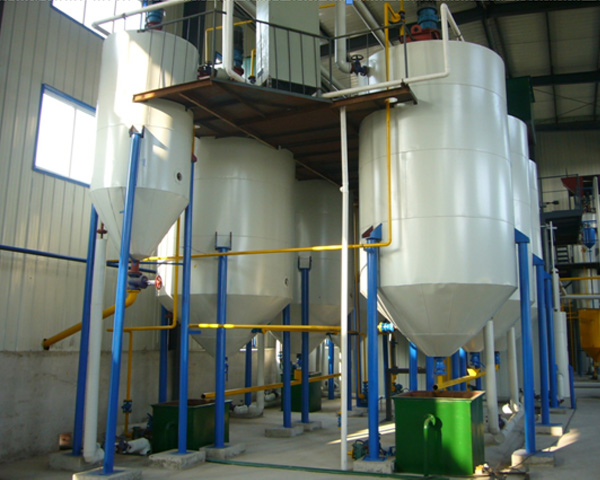
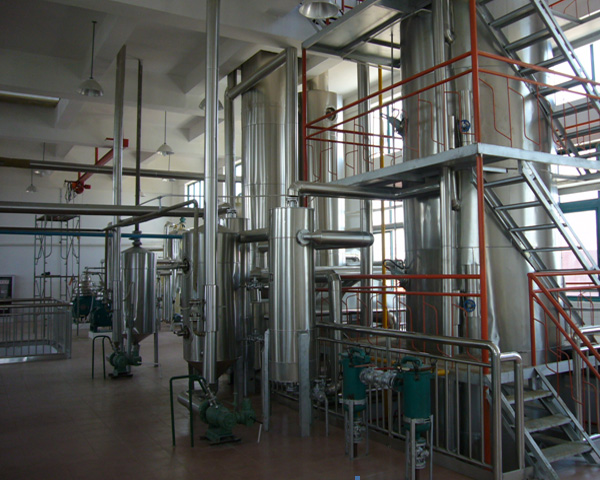
Edible oil refining is a crucial process to convert crude vegetable oil into pure, safe, and market-ready cooking oil. An efficient oil refining plant removes impurities such as phospholipids, pigments, free fatty acids (FFA), odors, and waxes. Whether you operate an oil mill plant or a standalone refinery, understanding the oil refining process helps optimize quality and yield.
With a decade of experience in manufacturing and exporting oil mill machinery and complete oil refining plants, KMEC provides end-to-end solutions—from plant design to installation. For more information on setting up a reliable oil refining plant, please contact us.
Edible Oil Refining Methods: Chemical vs. Physical Refining
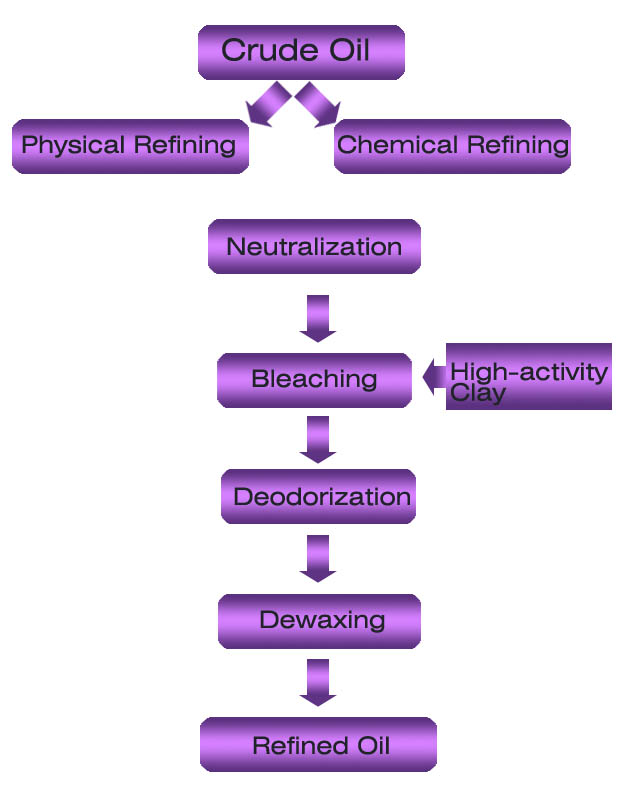
Two primary technologies are used in vegetable oil refining: chemical refining and physical refining.
Chemical Refining is a traditional edible oil refining method where FFA is neutralized using caustic soda. The resulting soapstock is separated via centrifugal separators. This method offers excellent adaptability and consistent oil quality, making it suitable for oils with high impurity content.
Physical Refining removes FFA through steam distillation during deodorization. It requires thorough degumming upfront and is ideal for oils with high acidity and low gum content, such as palm oil and certain sunflower oil variants. Benefits include higher refining efficiency and no wastewater generation.
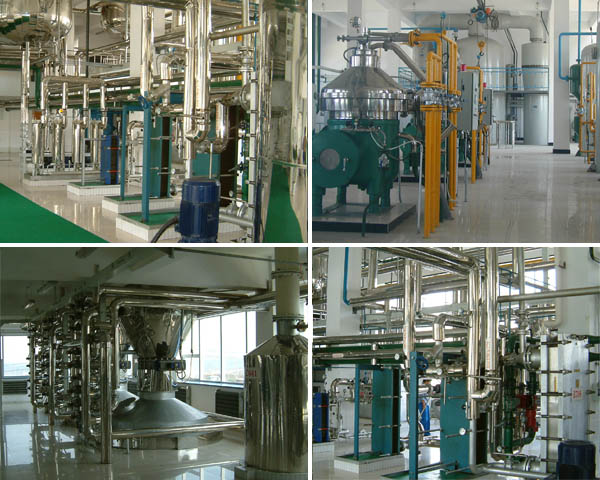
Key Processes in an Oil Refining Plant
A complete edible oil refinery involves several integrated stages:
1. Degumming – Removes phospholipids and gums using water or acid.
2. Neutralization – In chemical refining, alkali neutralizes FFA to form soap, removed via centrifugal separators.
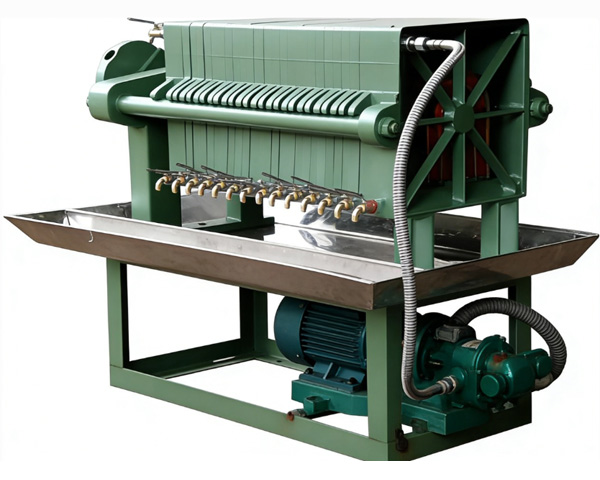
3. Bleaching – Bleaching earth or activated carbon absorbs pigments and residues.
4. Deodorization – Steam distillation under high temperature and vacuum eliminates odors and volatile compounds.
5. Dewaxing/Winterization – Removes waxes (e.g., in sunflower oil or corn oil) to prevent haze at low temperatures.
Features of Modern Oil Refining Equipment
- Fully automated refinery machinery for consistent output.
- Energy-efficient deodorizers and bleach systems.
- Flexible design for multiple oil types: soybean oil, canola oil, peanut oil, mustard oil, and more.
- Minimal oil loss and reduced bleaching earth consumption.
Why Choose KMEC for Your Oil Refining Plant?
With a decade of experience in manufacturing and exporting oil mill machinery and complete oil refining plants, KMEC provides end-to-end solutions—from plant design to installation. We tailor each edible oil refining system to your raw materials and capacity needs, ensuring high efficiency and product quality.
For more information on setting up a reliable oil refining plant, contact KMEC — your partner in advanced vegetable oil refining technology.
Get in touch
If you have any questions or just want to say hello, please don’t hesitate to contact us. We’ll get back to you soon.
- Email:info@oilmillequipment.com
- TEL: 0086 372 5388851 (China)
- Address: Suite 5, 12/F, Xinshe Bld., Wenfeng Rd. Anyang, Henan, P.R.C.
PC:455000