Oil Seeds Pretreatment
Advanced Oil Seed Pretreatment Technology
In an oil mill plant, oil seed pretreatment is a critical step carried out before oil pressing or solvent extraction. A well-designed oilseed pretreatment process significantly improves oil yield, enhances oil quality, reduces energy consumption, and lowers overall production costs.
Introduction to Oil Seed Pretreatment
In the oil mill plant, before the extrusion or extraction of oil from oil-bearing materials, oil seed pretreatment is essential to prepare raw materials for efficient downstream processing. Proper pre-treatment not only enhances oil yield but also improves the physical and chemical stability of crude oil and oil cake (meal).
Oilseed pretreatment is widely applied in soybean oil plants, sunflower oil plants, peanut oil plants, rapeseed oil plants, and cottonseed oil plants, serving as a core process in any modern edible oil processing plant.
Typical Oilseed Pretreatment Process Flow
The standard oil seed pretreatment process in an oil mill plant generally follows this sequence:
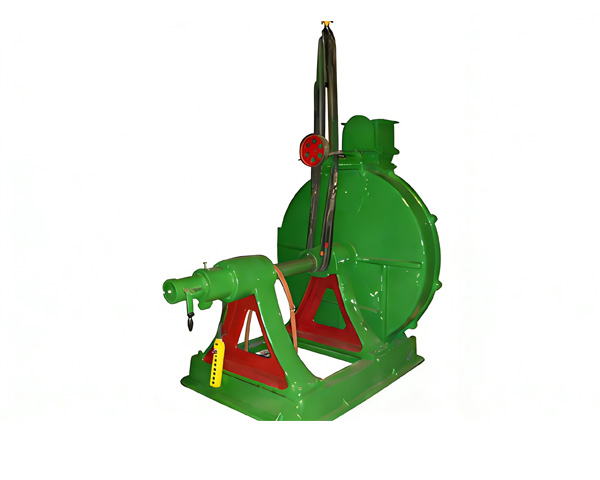
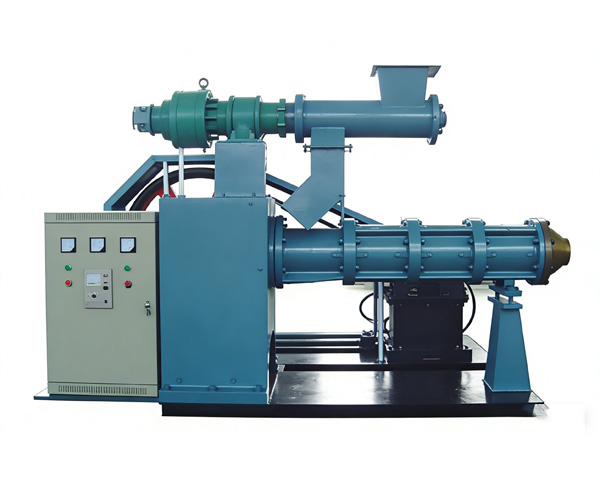
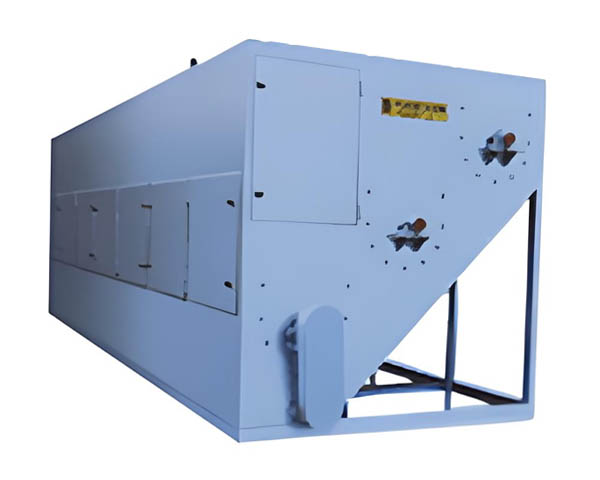
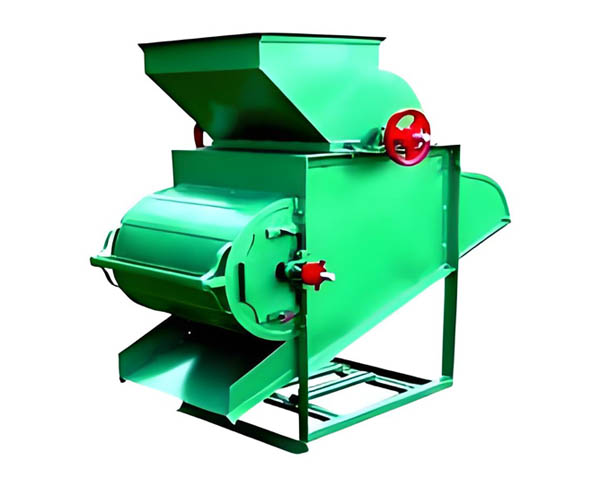
Cleaner → Sheller → Dehuller → Crusher / Flaker → Steam Cooker → Softening → Extruder → Dryer
Each step aims to optimize the oilseed’s structure, moisture content, and temperature, ensuring high oil extraction efficiency and stable operation of oil mill equipment.
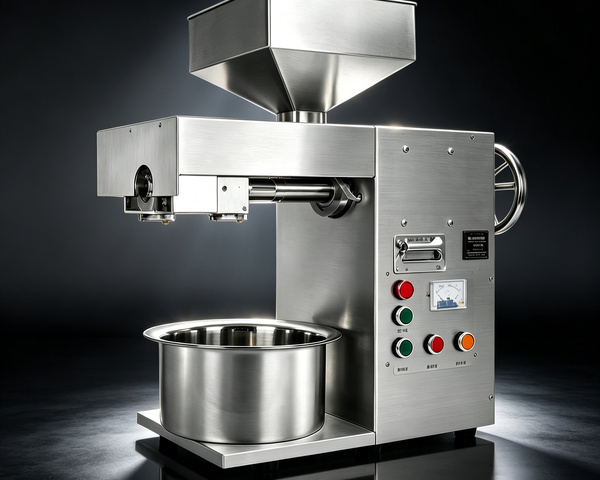
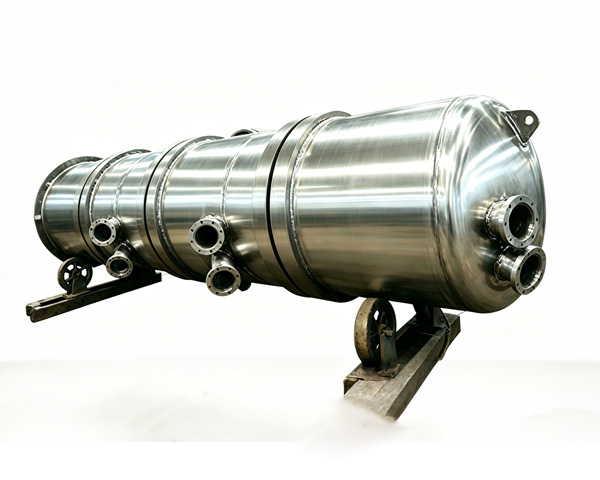
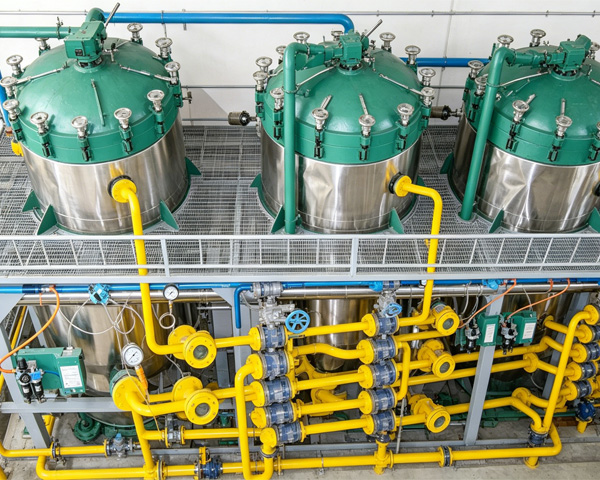
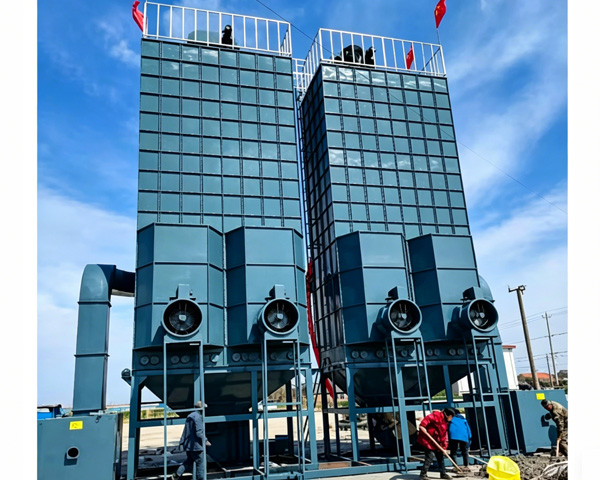
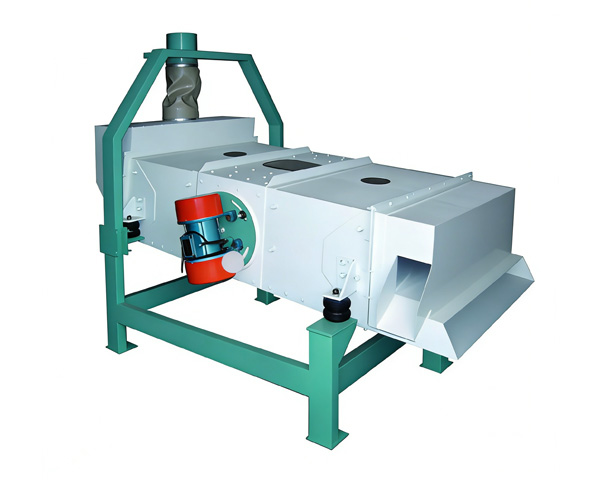
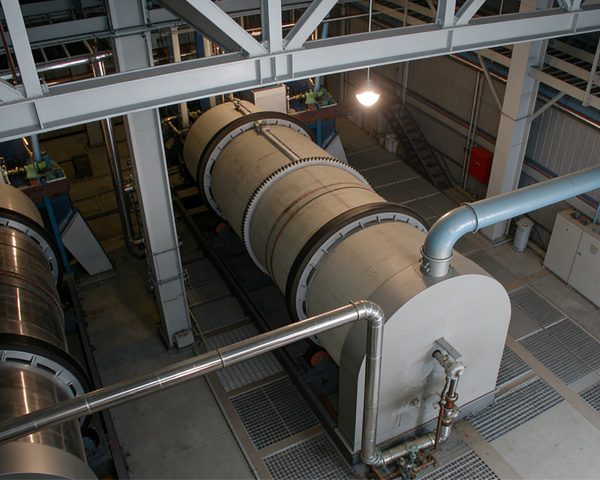
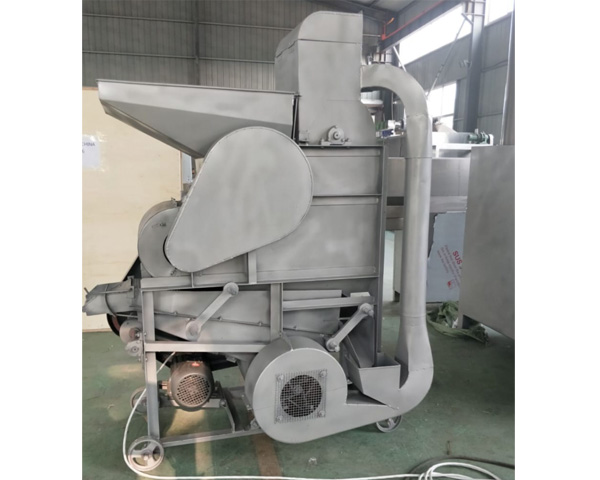
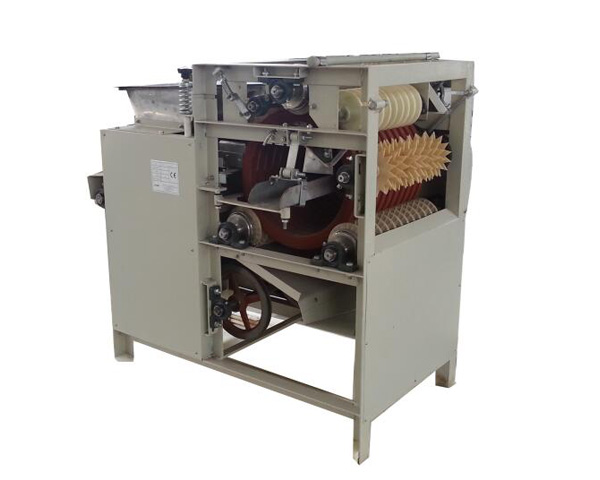
Main pretreatment equipment
Key Steps in Oilseed Pretreatment
1. Oilseed Cleaning
Cleaning removes organic and inorganic impurities from raw oilseeds to protect downstream equipment and enhance oil quality.
Impurities removed include:
- Organic impurities: Stems, leaves, stringy materials, dust, synthetic fibers
- Inorganic impurities: Sand, stones, soil, metal particles
Efficient oilseed cleaning reduces equipment wear and prevents contamination in edible oil processing plants.
2. Shelling and Dehulling
Shelling and dehulling separate hulls from kernels, which: reducing fiber content, improving oil extraction efficiency, and increasing protein concentration in oil cake.
Advanced dual-hulling systems achieve up to 85% hull removal rates and reduce oil residue in the seed coat to below 1.5%.
3. Crushing and Flaking
Crushing breaks oilseeds into smaller particles, while flaking increases surface area to enhance oil release. Optimal flake thickness improves: oil yield, heat transfer during conditioning, and solvent penetration in extraction plant.
4. Conditioning and Steam Cooking
Steam cooking and softening regulate: moisture content, temperature, and oilseed plasticity. This step improves oil fluidity, enhances pressing performance, and reduces residual oil in meal.
5. Extrusion and Drying
Extrusion disrupts seed cell walls, facilitating oil separation during pressing or solvent extraction. Drying stabilizes moisture content and prepares seeds for subsequent oil processing stages.
KMEC Oilseed Pretreatment Process
KMEC provides comprehensive, efficient oilseed pretreatment solutions for modern oil mill plants:
- Warm hulling process to reduce energy consumption
- Double cracking and dehulling system to maximize hulling ratio
- High-volume hull bins for flexible plant operation
- Produces oilcake with adjustable protein content
- Full-flake expansion technology
- Advanced automation and centralized control
These features ensure high oil yields, consistent product quality, and reliable long-term operation for large-scale edible oil processing plants.
Get in touch
If you have any questions or just want to say hello, please don’t hesitate to contact us. We’ll get back to you soon.
- Email:info@oilmillequipment.com
- TEL: 0086 372 5388851 (China)
- Address: Suite 5, 12/F, Xinshe Bld., Wenfeng Rd. Anyang, Henan, P.R.C.
PC:455000