
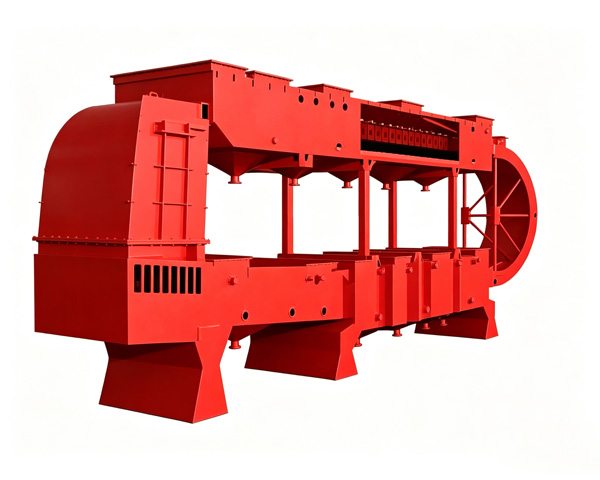
In the edible oil processing industry, maximizing oil yield while maintaining oil quality has always been a core concern for producers. Solvent extraction oil processing — as an efficient and economical oil extraction technology — has been widely adopted by large-scale oilseed processors worldwide. Whether for soybeans, rapeseed, sunflower seeds, or cottonseeds, solvent extraction achieves oil yields of over 95%, far exceeding traditional mechanical pressing methods.
If you are looking for a reliable and efficient edible oil solvent extraction equipment, understanding the principles, processes, key control parameters, and equipment selection criteria of solvent extraction will help you make more informed investment decisions.
What Is Solvent Extraction Oil Processing?
Solvent extraction oil processing, also known as solvent leaching, is an industrial extraction method that uses a chemical solvent (typically hexane) to dissolve and separate oil from oilseeds. Hexane is chosen for its excellent oil solubility and relatively low boiling point (63–69°C), which facilitates solvent recovery after extraction. This method is particularly suitable for large-scale, continuous production scenarios.
Unlike mechanical pressing, which physically “squeezes” oil out, solvent extraction penetrates the internal cellular structure of oilseeds to recover almost all residual oil. This is the fundamental reason why solvent extraction achieves such high oil yields.
Core Process Flow of Solvent Extraction Oil Processing
A complete set of edible oil solvent extraction equipment typically consists of a pretreatment system, extraction system, desolventizing system, distillation system, and solvent recovery system. The main steps are detailed below:
1. Oilseed Pretreatment
Before entering the extractor, oilseeds must undergo cleaning, crushing, flaking, or pre-pressing. Cleaning removes impurities such as sand, stones, and metals. Crushing and flaking significantly increase the surface area of the oilseed material, allowing the solvent to penetrate more quickly. For high-oil-content seeds (above 23%, such as rapeseed and peanuts), pre-pressing is often performed to extract part of the oil before solvent extraction, improving overall efficiency.
Common equipment used in the pretreatment stage includes cleaning screens, crushers, flaking rolls, and cooking kettles. The quality of these machines directly affects subsequent extraction performance and is an indispensable front-end component of a complete edible oil solvent extraction equipment system.
2. Extraction
The prepared material (called “flakes” or “pre-pressed cake”) is fed into an extractor and thoroughly mixed with hexane. Hexane selectively dissolves the oil, forming a mixture of oil and solvent known as miscella. The remaining solid residue is the de-oiled meal.
Common types of extractors include rotary extractors, loop extractors, and chain extractors. These differ in bed depth, solvent spray pattern, and soaking time. Producers can choose the appropriate model based on the oilseed type and production scale.
3. Desolventizing
The de-oiled meal still contains a small amount of hexane, which must be removed by heating. This is typically done in a Desolventizer-Toaster-Dryer-Cooler (DTDC). The equipment uses indirect steam heating to evaporate hexane for recovery, while avoiding high temperatures that would damage the protein and amino acids in the meal, ensuring its nutritional value as animal feed.
After desolventizing, the residual solvent in the meal can be reduced to below 500 ppm, providing stable quality.
4. Distillation
The miscella is sent to a distillation system. It is first preheated, then passed through an evaporator and a stripper, where hexane is separated from the oil based on their boiling point differences. Hexane vapor is condensed and recovered into a solvent storage tank for recycling, with recovery rates exceeding 95%. The resulting crude oil then proceeds to the next refining stage.
The design of the distillation system directly impacts solvent consumption and energy costs, making it an important indicator of the advanced nature of any edible oil solvent extraction equipment.
Why Choose Solvent Extraction Oil Processing?
High Oil Yield
Solvent extraction can recover more than 95% of the oil from oilseeds, while mechanical pressing typically achieves only 60–70%. For low-oil-content seeds such as soybeans (about 18–22% oil), the advantage of solvent extraction is particularly pronounced. In a plant processing 1,000 tons of soybeans per day, solvent extraction can extract tens of additional tons of oil daily, generating significant economic benefits.
Efficient Utilization
The meal obtained from solvent extraction has a residual oil content of less than 0.5%, maximizing resource utilization. This de-oiled meal is rich in protein and is a high-quality animal feed ingredient, providing an additional revenue stream for the processor.
Cost-Effectiveness
Although the initial investment in edible oil solvent extraction equipment is higher than that for pressing equipment, the combination of high oil yield, low residual oil, and solvent recycling results in lower unit production costs. This is especially suitable for large-scale plants processing hundreds of tons of oilseeds per day.
How Temperature Affects Solvent Extraction Efficiency
Temperature is a critical parameter influencing extraction efficiency. Raising the temperature appropriately reduces the viscosity of both the oil and the solvent, increasing the extraction rate. Experiments show that increasing the temperature from 50°C to 60°C can raise the extraction rate by more than 30%. However, higher temperatures are not always better.
– Optimum temperature range: For hexane extraction, the ideal temperature is approximately 61–62°C. Beyond this range, hexane volatilization increases sharply, raising solvent losses and internal pressure, which creates safety hazards.
– Impact on oil quality: Excessively high temperatures can destroy micronutrients such as vitamin E and phytosterols, and may even promote the formation of trans fatty acids and polymers, reducing oil quality.
– Equipment selection advice: Therefore, when selecting edible oil solvent extraction equipment, you should pay close attention to whether the temperature control systems of the extractor, evaporator, and stripper are precise and reliable, and whether they are equipped with automatic temperature adjustment and alarm functions.
How to Remove Free Fatty Acids (FFA) from Oil?
Free fatty acids are one of the main impurities affecting oil quality. High FFA content in crude oil leads to high acid value, poor taste, and reduced oxidative stability. There are two main methods for removing FFA:
1. Chemical Neutralization
An alkaline substance such as sodium hydroxide (caustic soda) is added to the oil, which reacts with FFA to form soapstock (insoluble in oil). The soapstock is then separated by centrifuge. Advantages of this method include:
– Significant reduction in FFA, lowering acid value to below 0.3 mg KOH/g;
– Simultaneous removal of some pigments and gums, aiding in decolorization;
– Low cost, suitable for large-scale production.
However, chemical neutralization also has drawbacks: saponification can cause a 1–3% loss of neutral oil, and the resulting soapstock requires disposal.
2. Physical Refining
Physical refining uses heat and vacuum distillation to strip FFA directly from the oil without adding chemical reagents. Advantages include:
– No chemical residues, resulting in a naturally pure oil;
– Lower neutral oil loss (typically below 1%);
– Recovered FFA can be sold as an industrial raw material or fatty acid product.
However, physical refining has higher requirements for the quality of crude oil. It is generally suitable for oils with an initial FFA content not exceeding 5% (e.g., palm oil, coconut oil). For oils such as soybean oil and rapeseed oil, degumming and bleaching are often required before physical refining.
Whichever refining method is used, it must match the crude oil produced by your edible oil solvent extraction equipment. On our website, you can find a dedicated page on [oil refining equipment] (example internal link) to learn more about equipment configurations for different refining processes.
Safety and Environmental Considerations: Challenges You Cannot Ignore
Safety Aspects
Hexane is highly flammable and explosive. When its vapor mixes with air in certain concentrations, an ignition source can cause an explosion. Therefore, plants using edible oil solvent extraction equipment must strictly implement the following safety measures:
– Explosion-proof design: motors, lights, switches, etc., must be explosion-proof;
– Ventilation systems: the extraction plant should be equipped with forced ventilation and gas detection alarms;
– Static grounding: all pipelines and vessels must be reliably grounded to prevent static discharge;
– Operating procedures: open flames are strictly prohibited; seals should be regularly inspected to prevent solvent leaks.
Environmental Aspects
In recent years, the industry has faced increasing pressure to reduce reliance on hexane due to environmental concerns. Hexane is a volatile organic compound (VOC); leaks or emissions can cause air pollution. To address this, modern edible oil solvent extraction equipment typically uses closed-loop solvent recovery systems, and further recovers solvent from tail gases using paraffin oil absorption or activated carbon adsorption, minimizing emissions.
In addition, some companies are exploring greener alternative solvents such as ethanol, isopropanol, and supercritical CO₂ extraction technology. However, these technologies are still relatively costly and have not yet been widely adopted on an industrial scale.
How to Choose the Right Edible Oil Solvent Extraction Equipment?
If you are considering building a new oil extraction line or upgrading an existing one, we recommend evaluating equipment performance based on the following criteria:
1. Processing capacity: Does the designed daily throughput (tons/day) match your production scale?
2. Residual oil in meal: Is the residual oil content consistently below 1%? High-quality equipment can achieve below 0.5%.
3. Solvent consumption: The amount of solvent consumed per ton of material. Advanced equipment can achieve 2–4 kg/ton.
4. Automation level: Is a PLC automatic control system provided to automatically adjust temperature, liquid level, pressure, etc.?
5. Energy efficiency: Steam, electricity, and cooling water consumption.
6. Safety certifications: Does it meet explosion-proof certification and pressure vessel inspection standards?
Our company offers a full range of edible oil solvent extraction equipment, from small units processing 50 tons/day to large production lines processing up to 3,000 tons/day, all customizable to your needs. In addition, we provide complete oil processing solutions, including oilseed pretreatment, extraction, refining, and packaging equipment.
Solvent extraction oil processing, with its high efficiency, high yield, and economic advantages, has become the mainstream technology in modern edible oil production. Whether you are building a new oil processing plant or planning to upgrade an existing production line, choosing a reliable, safe, and environmentally responsible edible oil solvent extraction equipment is a key step toward efficient production and long-term profitability.
Please feel free to explore other pages on our website for more detailed information on oil pressing equipment, refining equipment, pretreatment equipment, and related processes. If you have a specific project requirement, you can also contact our technical team at any time for a customized solution.