
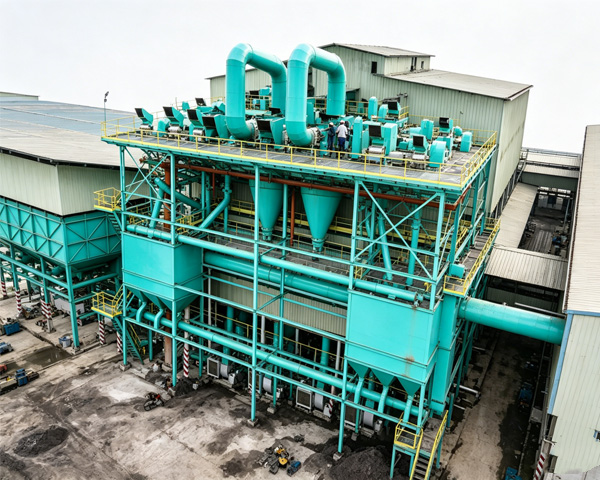
In launching a palm oil processing business in Nigeria, selecting the right palm oil pressing equipment is the core prerequisite. The cost of the equipment and the rationality of the selection directly determine the project’s profit margin. As a company deeply engaged in the manufacturing of palm oil processing plants and refineries, we combine years of industry experience and field research data from Nigeria to provide a detailed analysis of the cost components for establishing a palm oil refinery in Nigeria, tips for selecting palm oil pressing equipment, and an outlook on the commercial prospects of the local palm oil processing industry. This guide aims to help practitioners make precise plans, reduce input costs, and enhance production efficiency.
I. Current Status of Nigeria’s Palm Oil Processing Industry: Strong Demand, Equipment Upgrade Imperative
Palm oil is one of the largest oils in the world in terms of production, consumption, and trade volume. Alongside soybean oil and rapeseed oil, it is known as one of the world’s three major vegetable oils and is widely used in the catering, food, and fats industries. As one of the world’s top three palm oil producers, Nigeria has oil palm cultivation spread across the country, and palm oil is the primary cooking oil for local farmers. However, over 70% of the local Crude Palm Oil (CPO) is consumed without refining, indicating a relatively backward processing level. Manual separation of palm kernels and shells is still common, highlighting an urgent need for efficient, automated palm oil pressing equipment to achieve industrial upgrading.
To gain an in-depth understanding of the needs of Nigeria’s palm oil processing industry, our sales team conducted a 15-day business tour in 2018, covering major African cities including Lagos and Abuja. We found that local palm oil production falls into three scales: small, medium, and large. Whether it is a small family workshop or a large processing plant, there are common issues such as low efficiency of palm oil pressing equipment, high energy consumption, and inconsistent quality of finished oil. This presents a vast market opportunity for suppliers of high-quality palm oil pressing equipment. According to industry data, the global fats and oils processing equipment market is expected to exceed $12 billion by 2026, with particularly strong growth potential in the African market.
II. Core Factors Affecting the Cost of Nigeria Palm Oil Pressing Equipment and Refineries
Many practitioners ask about the cost of establishing a palm oil refinery in Nigeria. In reality, the cost is not a fixed value. It is primarily influenced by five key factors of the palm oil pressing equipment: capacity, material, processing technology, degree of automation, and final oil quality. The specific analysis is as follows, designed to help you accurately calculate your investment:
1. Capacity: Determines the Basic Investment in Palm Oil Pressing Equipment
Capacity is the primary factor affecting cost. We offer a variety of palm oil pressing equipment and matching refining equipment capacities, ranging from 1 ton/day, 2 tons/day, 3 tons/day, 5 tons/day, 10 tons/day to 20 tons/day, suitable for different scales of processing needs in Nigeria. Small family workshops can opt for small [[palm oil pressing equipment]{.underline}](https://www.doubao.cn) of 1-3 tons/day with lower initial investment. Large processing plants can choose complete sets of 10-20 tons/day equipment; although the initial investment is higher, the increased capacity allows for a quicker return on investment, making it suitable for large-scale production.
2. Equipment Material: Directly Affects Cost-Effectiveness and Service Life of Palm Oil Pressing Equipment
For palm oil pressing equipment and refining equipment of the same capacity, we can manufacture them using different materials, with carbon steel and stainless steel being the two most common. Carbon steel palm oil pressing equipment has a lower cost and is suitable for small plants with limited budgets and simpler processing environments. Stainless steel material is corrosion-resistant and easy to clean, effectively ensuring oil hygiene and offering a longer service life. It is more suitable for medium and large plants with higher oil quality requirements. Although the cost is slightly higher, the long-term cost-effectiveness is greater, aligning with the industry trend towards green and standardized transformation.
3. Processing Technology: Affects Efficiency of Palm Oil Pressing Equipment and Quality of Finished Oil
For palm oil pressing equipment of the same capacity, different processing technologies can be applied, ranging from simple basic processes to complex and efficient refined processes. Basic process equipment is simple to operate and has low input, suitable for beginners entering the industry. Refined processes can integrate pressing, refining, bleaching, and deodorizing of palm oil to produce higher-grade finished oil. The corresponding equipment investment is relatively higher, but the value-added finished oil is more competitive in the market. Based on years of palm oil mill experience, our newly developed processing technology allows [[palm oil pressing equipment]{.underline}](https://www.doubao.cn) to achieve an oil yield rate higher than the industry average, further enhancing the profit margins for practitioners.
4. Degree of Automation: Determines Labor Costs and Production Efficiency
We offer two types of palm oil pressing equipment and refining equipment: batch type and semi-continuous type. The cost and production efficiency differ significantly between the two. Batch type equipment has a lower degree of automation and requires more manual operation, resulting in relatively lower costs, making it suitable for small workshops. Semi-continuous equipment features a higher degree of automation, reducing labor input, improving production efficiency, and lowering long-term operating costs. It is suitable for medium and large processing plants. Although the initial equipment investment is slightly higher, the long-term operational costs are more advantageous, aligning with the automation upgrade needs of the Nigerian palm oil industry.
5. Finished Oil Quality: Affects the Configuration and Cost of Palm Oil Pressing Equipment
Our palm oil pressing equipment and refining equipment can produce first, second, third, and fourth-grade palm oil. Different grades of finished oil correspond to different equipment configurations and processing flows, resulting in varying costs. First and second-grade Refined, Bleached, and Deodorized (RBD) palm oil have a light taste, pure color, and good oxidative stability, suitable for the food industry and high-end catering. They require more sophisticated palm oil pressing equipment and refining units, leading to relatively higher costs. Third and fourth-grade palm oil are suitable for general cooking use, requiring simpler equipment configurations and lower costs. You can choose the appropriate equipment configuration based on local market demand.
III. Commercial Outlook for Nigeria’s Palm Oil Processing Industry: Seize Market Opportunities with Quality Palm Oil Pressing Equipment
Palm oil has a deep consumption base in Nigeria. It is not only the main cooking oil for local residents but is also widely used in cooking, frying, shortening, margarine, confectionery, and other fields. Market demand is strong. There is a widespread belief among locals that if palm oil production is commercialized and scaled, it could become a substitute for petroleum, generating significant foreign exchange through exports, promoting local economic development, and creating employment opportunities. This presents vast development opportunities for the palm oil processing industry.
With the continuous growth of global palm oil demand, the need for upgrading Nigeria’s palm oil processing industry is increasingly urgent. High-quality, efficient, and energy-saving palm oil pressing equipment has become a market necessity. As a professional manufacturer of palm oil pressing equipment, we can provide customized equipment solutions based on the capacity requirements, process needs, and budget of Nigerian practitioners. We supply various [[palm oil pressing equipment]{.underline}](https://www.doubao.cn) and matching refining equipment at ex-factory prices. We also offer one-stop services from equipment design and installation commissioning to after-sales maintenance, helping practitioners reduce investment risks and quickly capture market share.
IV. Palm Oil Pressing Equipment Selection Recommendations: Reduce Costs, Enhance Profitability
When selecting palm oil pressing equipment in Nigeria, there is no need to blindly pursue the highest configuration. Selection should be based on your own processing scale, budget, and market demand. Small workshops can prioritize low-cost, easy-to-operate small palm oil pressing equipment to control initial investment. Medium and large processing plants can choose complete sets of equipment with high automation and advanced technology to improve production efficiency and finished oil quality, enhancing market competitiveness.
It is important to note that the final cost of palm oil pressing equipment in Nigeria must be determined based on specific capacity needs, process design, and equipment configuration. We can provide a detailed equipment list, quotation, and selection advice based on your actual requirements. As your dedicated palm oil processing consultant, we will recommend suitable palm oil pressing equipment and processing technology to help you achieve steady development in the Nigerian palm oil processing industry.
The Nigerian palm oil processing industry holds immense potential, and selecting a suitable set of palm oil pressing equipment is key to project success. With years of experience in the fats and oils equipment manufacturing field, we possess rich industry expertise and a professional technical team. We can provide cost-effective [[palm oil pressing equipment]{.underline}](https://www.doubao.cn) and comprehensive services to help practitioners lower input costs and increase production efficiency. If you have any needs regarding the selection or quotation of palm oil pressing equipment, please feel free to contact us with your specific requirements. We will provide you with detailed equipment solutions and the latest quotes, working together with you to succeed in the Nigerian palm oil processing market!