
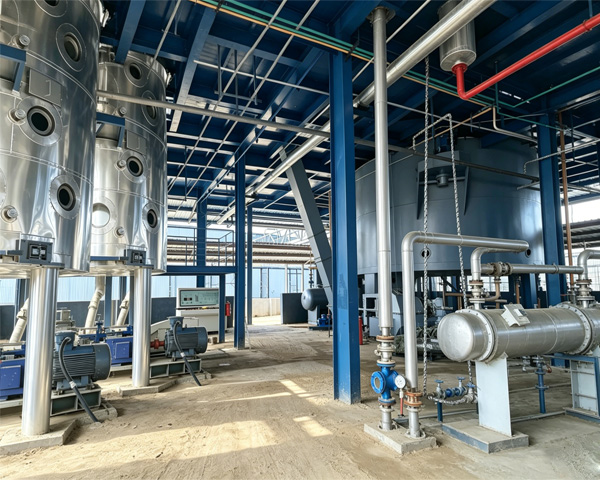
Physical pressing is a traditional process that extracts natural oil from oilseeds using only mechanical pressure, without adding any chemical solvents. Soybean oil obtained by this method retains the natural flavor and nutritional components of the oil, has no solvent residue, and is highly favored by consumers who value health and natural concepts. So, how do you build an efficient physical pressing line for soybean oil? This article walks you through every key step and explains how this equipment can also be used for peanut oil pressing equipment.
I. Raw Material Pretreatment: Necessary Preparation for Physical Pressing
Physical pressing requires high cleanliness and proper physical condition of the raw material. The goal of pretreatment is to remove impurities, adjust moisture and temperature, and bring the soybeans to the optimal pressing state, thereby increasing oil yield and protecting the press components.
Typical pretreatment equipment includes:
– Elevator and Screw Conveyor: For vertical and horizontal material transport.
– Cleaning Sieve: Removes stems, dirt, and other surface impurities from soybeans, reducing impurity content to below 1%.
– Destoner: Separates heavy impurities like stones to prevent damage to the screw press.
– Magnetic Separator: Adsorbs iron filings, bolts, and other metal particles.
– Tempering Column: Adjusts soybean moisture and temperature, improving material plasticity for better oil flow.
– Cooking Kettle: Appropriately reduces soybean moisture and softens the beans, significantly improving oil yield and oil stability.
– Cracker: Breaks soybeans into 4‑6 pieces, increasing surface area for subsequent flaking.
– Flaking Mill: Flakes the cracked soybeans into uniform thin flakes of 0.3‑0.35 mm thickness – the most critical step before physical pressing. Flakes that are too thick leave more residual oil, while flakes that are too thin tend to produce fines.
– Expander (optional): For larger capacities, the material can be expanded into a porous, columnar structure before entering the press, further improving efficiency.
> The above equipment is also the standard configuration for a complete peanut oil pressing equipment line. Peanuts have a higher oil content; during pretreatment, the cracking size and cooking temperature need to be adjusted appropriately. Our equipment can be flexibly adjusted according to the raw material characteristics.
II. Physical Pressing: The Core Step to Obtain Crude Oil
The core equipment for physical pressing is the Screw Press Machine. The pretreated soybean flakes continuously enter the pressing chamber. Under the advancing and compressing action of the screw shaft, the material is subjected to extremely high pressure, the cell walls are ruptured, oil flows out through the gaps in the cage, and the solid residue (cake) is discharged from the end.
Capacity Recommendations for Pressing
– Daily capacity below 10 tons: A single screw press machine can be used without a complete pretreatment line. This minimalist configuration has low investment and simple operation, and is also very suitable for a small‑scale peanut oil pressing equipment.
– Daily capacity 10‑20 tons: A complete physical pressing line is recommended, including a magnetic drum, cleaning sieve, destoner, flaking mill, cooker, screw press, and plate‑and‑frame filter.
– Daily capacity above 20 tons: Consider twin‑press or adding an expander section to further reduce residual oil to below 6%.
> The typical residual oil rate for physically pressed soybean oil is about 7‑8% (i.e., the oil remaining in the cake). If you need a lower residual oil rate (e.g., <1%), you would need to use solvent extraction, but then the oil would no longer be “physically pressed” soybean oil.
III. Refining: Bringing Pressed Crude Oil to Edible Standards
The crude oil coming from the screw press contains phospholipids, free fatty acids, pigments, meal fines, and other impurities. It needs to undergo physical refining (not chemical refining) to become clear, stable finished oil. For physically pressed soybean oil, the following refining steps are recommended:
– Filtration: Use a plate‑and‑frame filter or leaf filter to remove suspended meal fines and gums.
– Water Degumming: Add hot water to hydrate phospholipids, causing them to swell and be separated, while retaining most natural antioxidants.
– Deacidification (optional): For crude oil with high acid value, alkali refining or distillation deacidification can be used.
– Bleaching: Use activated clay to adsorb pigments and improve oil color.
– Deodorization: Remove beany odor and other volatile substances by high‑temperature vacuum distillation.
After refining, an Edible Oil Filling Machine fills the finished oil into containers for storage, transport, and sale.
IV. Physical Pressing vs. Solvent Extraction: How to Choose?
| Method | Advantages | Disadvantages | Suitable Application |
| Physical Pressing | Natural, healthy, no chemical solvents, simple equipment, low investment | Higher residual oil (7‑8%), lower value of oilcake/meal | Small to medium lines (capacity <20 t/d), targeting “physically pressed” or “traditional pressed” claims |
| Solvent Extraction | High oil yield (residual oil <1%), high oilseed utilization | High equipment investment, risk of solvent residue, requires desolventizing system | Large industrial operations (capacity >50 t/d), feed meal production |
If you clearly want to obtain physically pressed soybean oil, choose the mechanical pressing method and properly configure pretreatment and filtration equipment.
V. How Can the Same Physical Pressing Equipment Be Used for Peanut Oil Production?
Many customers ask: can one set of equipment press both soybeans and peanuts? The answer is yes. The core structure of peanut oil pressing equipment is exactly the same as that for soybean oil pressing equipment, with only minor adjustments in the pretreatment step:
– Peanuts do not need cracking and flaking (because peanut kernels are large and can be pressed directly after cooking), so the cracker and flaking mill can be skipped.
– The cooking temperature is slightly higher to bring out the peanut aroma.
– The screw pitch and rotation speed of the press may need fine‑tuning. We provide universal screw press machines that can handle multiple oilseeds.
Therefore, when you purchase a soybean oil physical pressing line, you also obtain a fully functional peanut oil pressing equipment.
VI. How to Choose the Right Physical Pressing Equipment for You?
KMEC provides customised solutions ranging from single machines to complete lines for customers worldwide. When making a decision, consider:
1. Daily processing capacity: <10 t/d → single screw press; 10‑20 t/d → pretreatment + pressing + filtration line.
2. Raw material type: Soybeans, peanuts, rapeseed, sunflower seed, etc. We provide universal configurations.
3. Target residual oil rate: Physical pressing typically 7‑8%; if lower is needed, add an expander.
4. Finished product positioning: Whether you need to keep “cold pressed” or “pure physically pressed” claims.
Whether you plan to produce physically pressed soybean oil or also need peanut oil pressing equipment, we offer complete process design and equipment manufacturing. Leave us a message – our engineers will recommend the best solution for your raw material and capacity, free of charge.