
How is Canola Oil Produced? An In-Depth Analysis of Equipment Selection for Pressing and Extraction Processes
In the global edible oil market, canola oil is highly favored for its unique aroma and balanced nutritional profile. For oil processing enterprises or investors planning to enter this sector, understanding the extraction process is crucial for oil equipment selection and overall project success.
Currently, there are two primary methods for extracting canola oil: mechanical pressing and chemical solvent extraction. These two processes differ significantly not only in principle but also in the required oil processing equipment configuration and the final product characteristics. As a professional oil equipment engineering service provider, we will analyze the features of both methods from a technical perspective.
1. Process Principles and Core Equipment Comparison
Mechanical Pressing: A Physical Process Preserving Authentic Flavor
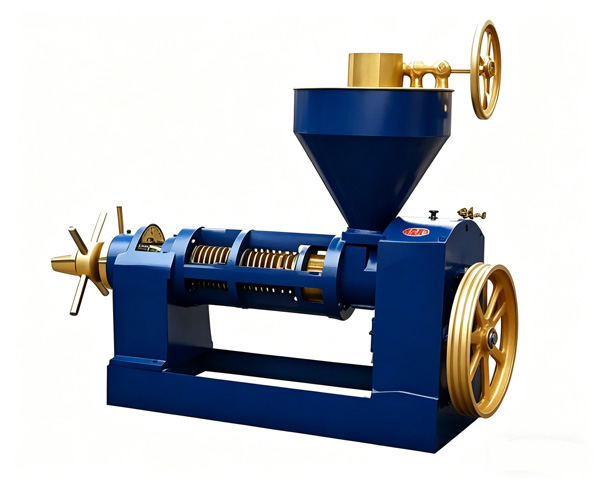
This is a purely physical method that relies primarily on the immense mechanical pressure generated by a screw oil press or hydraulic oil press to squeeze the oil out of the canola seed cells. Since this process does not involve any chemical solvents, the natural flavor and nutrients (such as Vitamin E) are preserved to the greatest extent possible. Prior to pressing, a roaster or steam cooker is typically required to condition the seeds, enhancing oil yield and aroma.
Solvent Extraction: An Efficient Chemical Separation Technique
Solvent extraction utilizes the principle that oil dissolves readily in organic solvents (such as food-grade hexane). An oil extractor (such as a rotocel or loop type extractor) is used to dissolve the oil from the canola seeds or pre-pressed cake, forming a miscella. Subsequently, the miscella passes through an evaporation system and a stripping tower for separation. The solvent is recovered and recycled, leaving behind crude oil. This process demands high standards of sealing and safety, falling under the category of turnkey oil extraction plant projects.
2. Nutritional Value and Flavor Differences
If you are targeting the high-end edible oil market, the mechanical pressing method is the preferred choice. Since the entire process involves low-temperature physical operations, coupled with subsequent low-temperature filtration equipment, it avoids thermal damage to the oil, resulting in a pure fragrant canola oil with a distinctive roasted aroma.
In contrast, while solvent-extracted oil can meet standard refined oil specifications after processing through oil refining equipment (including degumming, neutralization, bleaching, and deodorization stages), some natural antioxidants and flavor compounds are inevitably lost during the extraction and high-temperature desolventizing phases. Therefore, mechanically pressed oil holds a natural advantage in terms of flavor and mouthfeel.
3. Investment Cost and Economies of Scale Analysis
This is often the primary concern for clients selecting edible oil processing equipment:
– Solvent Extraction Method:
This method requires a complete set of systems including pretreatment, extraction, wet meal desolventizing, miscella evaporation, and solvent recovery. The equipment range is extensive, including items like seal augers, DTDC desolventizer-toasters, and long tube evaporators. Consequently, the initial oil equipment investment is relatively high and requires skilled operators. However, its significant advantage lies in the extremely low residual oil rate in the meal (typically less than 1%), resulting in higher oil yield efficiency. It is ideally suited for large-scale oil mill projects processing several hundred or even thousands of tons per day.
– Mechanical Pressing Method:
The investment is relatively flexible. A high-performance screw pre-press machine combined with a simple plate and frame filter press can initiate production. Although the output of a single oil expeller is limited, it offers simple operation, easy maintenance, and superior oil quality. It is well-suited for small to medium-sized farms, rural cooperatives, or niche production focusing on premium oils. Attempting large-scale production with multiple presses typically leads to sharp increases in labor and energy costs, making it less economical than extraction.
4. The Optimal Solution: Pre-Pressing and Solvent Extraction Combined Process
For clients requiring both high quality and large-scale production, we typically recommend the pre-press and solvent extraction combined process. This is the mainstream configuration for medium to large canola oil processing lines.
The first step of this approach involves using a high-capacity pre-press machine to physically extract 60%-70% of the high-quality physically pressed canola oil. The resulting cake still contains approximately 15%-18% oil. The second step involves sending this oil-rich cake to the oil extraction workshop to recover the remaining oil using the solvent extraction method. This dual approach yields high-value pressed oil while ensuring that the oil in the meal is fully utilized through extraction equipment, maximizing economic returns.
The choice between the mechanical pressing method and the solvent extraction method depends on your raw material supply volume, target market positioning, and budget. Whether you are purchasing a single oil press accessory or planning an entire oil production line, determining the appropriate process parameters and equipment configuration is the first step toward success.
If you are planning to establish or upgrade a canola oil processing plant and need guidance on equipment selection, please feel free to contact our engineering team. Based on your specific requirements, we will provide a professional oil project solution and equipment quotation reference free of charge to assist you in making the optimal decision.