
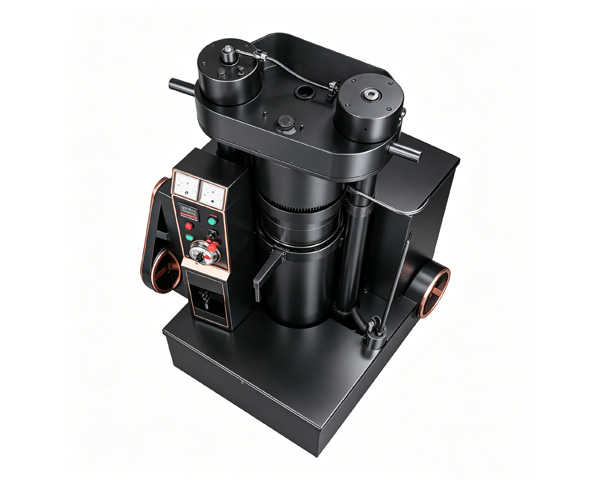
Hydraulic oil presses are widely used for cold pressing high-value oilseeds such as sesame, walnuts, and peanuts due to their simple structure, high pressing force, and pure oil output. However, after prolonged high-load operation, even the most robust hydraulic oil press inevitably encounters issues like insufficient pressure, oil leakage, or poorly formed cakes. For users relying on stable production with their oil equipment, mastering basic repair skills not only reduces downtime but also significantly lowers maintenance costs.
Safety First: Pre-Repair Preparations
Before disassembling any components, ensure the power supply is disconnected and the oil pump is fully depressurized. The high-pressure energy stored in the hydraulic system is extremely dangerous. If your facility includes a supporting oil refining equipment production line, ensure the repair area is far from solvents and open flames.
Fault 1: Failure to Build Pressure or Unstable Pressure Holding
This is the most common reason for service calls. The cylinder moves, but the pressure gauge needle fails to reach the rated working value or drops rapidly after reaching it.
– Check Hydraulic Oil and Filter Screen:
First, observe the oil level in the tank. Insufficient hydraulic oil or emulsified/degraded oil will cause the plunger pump to cavitate. Cleaning or replacing the precision filter element of the oil filter machine is also necessary; a clogged screen will lead to aeration.
– Check Seal Wear:
Remove the dust ring at the top of the cylinder and inspect the main cylinder seal (typically a Y-ring or Glyd ring). If the sealing lip is worn or hardened due to aging, high-pressure oil will leak back to the tank past the piston rod. It must be replaced with an identical model of oil-resistant polyurethane seal.
– Cleaning Pressure Regulating and Directional Valves:
Fine oil residue dust generated during long-term pressing can enter the hydraulic system valve core. Disassemble the relief valve and manual directional valve core, clean them with kerosene, and check if the spring is broken.
Fault 2: Significantly Slower Pressing Speed
If a pressing cycle that previously took 2 minutes now requires 5 minutes or longer and is accompanied by abnormal noise.
– Plunger Pump Wear and Internal Leakage:
This is the core reason for slow speed. The clearance between the plunger and pump body in the oil press spare parts is too large, causing high-pressure oil to flow directly back to the low-pressure chamber. The repair method involves replacing the plunger pair or servicing the pump body.
– Air Entrainment in Pipelines:
Check if the suction pipe joint is loose. If foam is present, the suction side seal is compromised. Tighten the joint and bleed air from the system.
Fault 3: Poor Oil Output from Barrel or Soft Cake Residue
Repairing a hydraulic oil press involves more than just the mechanical components; process adjustment is equally critical.
– Clearing Blocked Oil Grooves:
Disassemble the pressing cage and use a steel brush to clean the oil residue from the gaps in the bar cage. Long-term neglect leads to a scenario where pressure reads normal, but oil cannot flow out. This high pressure reacts against the press worm or pressing plate, potentially causing metal fatigue in the equipment.
– Preheating and Moisture Control:
If you are using a matching seed roaster, verify the moisture content of the incoming material. Excessive moisture in the seed entering the press is the primary cause of “sludge ejection” and low oil yield in hydraulic presses.
Fault 4: Shutdown Due to High Hydraulic Oil Temperature
During continuous summer operation, oil temperatures exceeding 60°C are common.
– Cooling System Inspection:
If your oil equipment is fitted with an air-cooled or water-cooled radiator, clean the lint and dust from the fins. If no cooling system is present, consider adding a plate heat exchanger to maintain hydraulic oil viscosity.
– Unloading Circuit Check:
Verify that the electromagnetic relief valve achieves complete unloading during the holding phase. If unloading is incomplete, high-pressure oil continuously flows over the relief valve, wasting electricity and causing the hydraulic oil to heat up and degrade rapidly.
Preventive Maintenance Tips: Making Repairs Less Frequent
Rather than searching for the oil press repair manual after a breakdown, establish a routine daily inspection checklist.
1. First 50-Hour Oil Change:
New or overhauled machines must have the hydraulic oil changed and the tank cleaned after the first 50 hours of operation to remove metal debris from the break-in period.
2. Maintain Cleanliness:
80% of hydraulic oil contamination comes from external dust. Regularly clean the tank breather. Using professional oil filtration equipment to treat used oil can extend the oil change interval.
3. Spare Parts Inventory:
It is recommended to always keep one set of seal rings and one pressure gauge in stock. These two small components have the highest failure probability.
The process of repairing a hydraulic oil press is essentially a comprehensive diagnosis of its hydraulic circuit, sealing technology, and pressing process. For customers operating large-scale oil processing plant equipment, ensuring operators understand these basic principles is far more efficient than waiting for after-sales service. Once you complete a successful independent repair, you will find that the reliability of your cold press machine has been elevated to a new level.