
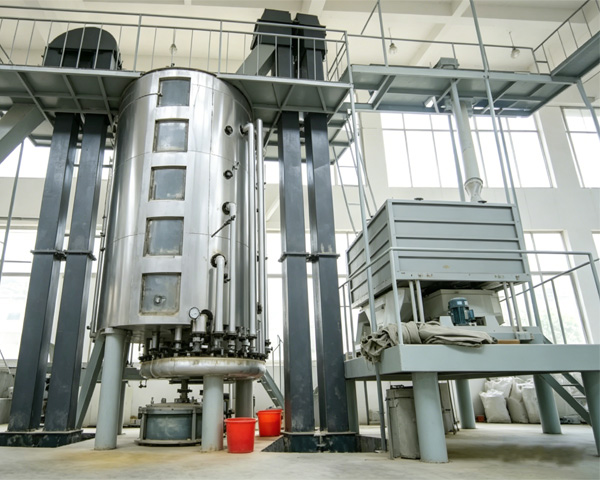
Rice bran is one of the most valuable by-products of the rice milling process, but its high levels of free fatty acids, elevated moisture content, and enzyme activity make the operating conditions for rice bran oil solvent extraction equipment far more demanding than those for conventional oil processing lines. Whether a multi-million-dollar rice bran oil production line can consistently and stably deliver high-quality crude rice bran oil largely depends on the level of routine maintenance management. This article shares five field-proven strategies to help your rice bran oil production line maintain efficient operation over the long term and reduce its overall lifecycle cost.
1. Establish a Sound Preventive Maintenance System
Regular maintenance is the core means of extending the working life of an oil solvent extraction line. The rice bran oil processing route encompasses multiple stages — expansion, drying, solvent extraction, desolventizing-toasting, and evaporation — each of which requires a targeted maintenance plan.
1.1 Special Inspection of the Lubrication System:
The drive units, transfer pumps, and fans inside the extraction workshop all require proper lubrication. Check and replace lubricants at the intervals prescribed in the equipment manuals, paying particular attention to sealing protection for the lubrication system of the oil equipment in a solvent environment to prevent the solvent from diluting the lubricant and causing bearing burnout.
1.2 Scheduled Replacement of Critical Components:
Extraction chain links, scraper bars, and mechanical seals of circulation pumps are oil press spare parts that fall into the wear parts category. Establish a replacement log and change them on schedule to avoid a whole-line shutdown triggered by the failure of a localized component.
1.3 In-Depth Equipment Cleaning:
Scaling on the tube walls of evaporators and condensers significantly reduces heat exchange efficiency. Periodic chemical cleaning and descaling of the extraction workshop is a necessary step to maintain the designed capacity of the oil processing plant equipment.
Through this preventive maintenance system, potential equipment problems can be detected and eliminated in time, preventing minor issues from escalating into costly breakdowns.
2. Optimize Process Parameters to Reduce Equipment Workload
Equipment does not wear itself out — the source of wear is often unreasonable process settings and operating habits. By optimizing the rice bran oil processing parameters, the burden on the equipment can be effectively reduced.
2.1 Ensure the Quality of Rice Bran Entering the Extractor:
The expansion effect of rice bran directly influences extraction efficiency. A highly efficient and stable rice bran expander can transform the bran into a porous structure, both increasing the oil yield and reducing the workload of the extractor.
2.2 Control the Solvent Ratio and Extraction Temperature:
An excessively high solvent ratio places an extra burden on the downstream desolventizing-toasting and evaporation systems, accelerating the aging of circulation pumps and heat exchangers. Optimizing process parameters to keep the oil solvent extraction equipment operating within its design window is a hidden guarantee for extending service life.
2.3 Arrange Production Rhythms Reasonably:
Avoid prolonged continuous operation of the equipment at full capacity. Schedule concentrated overhauls and sufficient cooling during off-seasons to give the rice bran oil production line the necessary “rest periods.”
3. Carry Out Timely Equipment Upgrades and Technological Improvements
With the continuous advancement of oil processing technology, new-generation equipment often delivers significant improvements in energy efficiency and durability. For a rice bran oil production line that has been in operation for more than a certain number of years, upgrading key equipment at the right time is a worthwhile investment.
3.1 Upgrade the Extractor:
Moving from an older rotary extractor to a modern drag-chain or loop-type extractor not only reduces solvent consumption but also decreases the number of mechanical failure points.
3.2 Improve the Evaporation System:
Replacing tubular evaporators with high-efficiency falling film evaporators can effectively lower steam consumption and reduce the processing load on downstream oil refining equipment.
3.3 Introduce an Automation Control System:
Installing a PLC or DCS control system allows real-time monitoring of the operating parameters of the oil processing equipment, enabling early fault warning and automatic interlocking protection, thereby significantly reducing equipment damage caused by human operating errors.
4. Strengthen Professional Skills Training for Operators
Even the most sophisticated equipment requires competent operators to run it. Employees are the first line of responsibility for equipment operation and routine maintenance, and their skill levels directly affect the working life of the rice bran oil production line.
4.1 Systematic Pre-Job Training:
The training content should cover rice bran oil processing principles, operating procedures for the oil solvent extraction line, emergency shutdown protocols, and basic troubleshooting methods.
4.2 Enhance Maintenance Awareness:
Cultivate the inspection habit of “listen, look, touch, smell” among operators — listen for abnormal bearing sounds, watch for changes in liquid levels and pressure, feel pump housing temperatures, and smell for solvent leaks. These seemingly simple skills are often the most effective means of detecting early-stage faults.
4.3 Establish a Shift Handover Record System:
Operating data and abnormal conditions from each shift must be truthfully recorded and handed over, creating a traceable “health archive” for the equipment, which provides a basis for subsequent maintenance decisions for the oil equipment.
5. Build a Long-Term Equipment Inspection and Monitoring Mechanism
Establishing a comprehensive equipment inspection and monitoring system is a critical step to shift from reactive repair to predictive maintenance.
5.1 Regular Sampling and Analysis:
Periodically test the miscella concentration in the extractor, the crude oil quality at the evaporator outlet, and the purity of the circulating solvent, using data trends to judge the operational health of the rice bran oil solvent extraction equipment.
5.2 Online Equipment Condition Monitoring:
Install vibration sensors and temperature probes on critical rotating equipment to monitor bearing condition in real time; install negative pressure monitoring on the extractor housing to ensure safe operation.
5.3 Regular Comprehensive Check-Ups:
Every six months or annually, carry out a thorough “physical examination” of the entire oil processing plant equipment, including wall thickness testing, weld flaw detection, electrical insulation testing, and safety valve calibration, to ensure all safety accessories and process equipment are in sound condition.
Extending the working life of a rice bran oil production line is, in essence, a systematic engineering task — it spans every section from pretreatment (such as the rice bran expander), solvent extraction, evaporation, and distillation through to the final oil refining equipment, and requires the coordinated effort of five pillars: maintenance systems, process optimization, technological upgrades, personnel training, and inspection and monitoring. Once you solidify these measures into a standardized corporate management system, equipment utilization rates will rise significantly, unit production costs will steadily decline, and the entire oil processing plant equipment will truly become a high-quality asset that continuously generates value.
If you are planning a new rice bran oil processing project or wish to conduct a technical assessment and upgrade of your existing rice bran oil production line, feel free to contact us for professional engineering consulting solutions.