
Sunflower oil is a high‑quality vegetable oil widely used by households and the food industry worldwide. Whole sunflower seeds contain about 22%–36% oil, while the kernel contains as much as 40%–50% oil, making them an ideal raw material for oil extraction. So, how is sunflower oil produced? Factories mainly use two processes: the pressing method and the solvent extraction method.
This article provides a detailed comparison of the two processes, together with a complete equipment list, to help you choose the right sunflower oil production line for your needs.
I. Pressing Method: Physical Squeezing, Preserves Natural Flavour
The pressing method uses mechanical force to physically squeeze oil out of sunflower seeds. No chemical solvents are added, so the natural flavour and nutritional components of sunflower oil are largely preserved.
Pressing Method Process Flow
1. Cleaning
Raw sunflower seeds often contain impurities such as debris, stones and metals. Use cleaning equipment like vibrating screens, magnetic separators and destoners to remove impurities and protect downstream equipment.
2. Dehulling
The hull absorbs some oil and causes oil loss, while pigments in the hull darken the crude oil. Use a dehuller to separate the hulls.
3. Kernel‑Hull Separation
After dehulling, the kernels and hulls are mixed. A kernel‑hull separating screen separates them so that only kernels go to the pressing stage.
4. Flaking
Flake the granular sunflower kernels using a flaking machine. This changes the internal structure, shortens the oil outflow path and improves oil extraction efficiency.
5. Cooking
Use a cooker to adjust the moisture and temperature of the flaked kernels. The optimum pressing temperature is about 100°C, and the moisture content about 12%.
6. Pressing
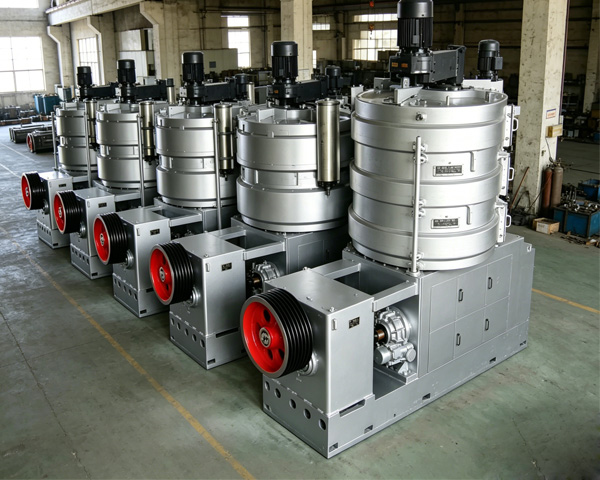
The cooked material is fed into a screw oil press for pressing. Depending on capacity requirements, a hydraulic oil press or automatic temperature‑controlled oil press can also be used. With the pressing method, the residual oil content in the cake/meal can be controlled at 6%–7%.
7. Filtration
The crude oil produced by pressing contains oil residue and fine impurities. It must be filtered through an oil scraper, clarification tank and frame plate filter. The frame plate filter is made of food‑grade 304 stainless steel to ensure oil safety.
II. Solvent Extraction Method: Chemical Extraction, Very High Oil Yield
The solvent extraction method uses the miscibility of organic solvents (e.g., hexane) with oil to further extract residual oil from the press cake. This method can reduce the residual oil content in the final meal to below 1%, greatly improving raw material utilisation. It is the mainstream choice for large‑scale oil plants today.
Solvent Extraction Method Process Flow
1. Oil Solvent Extraction
The pre‑pressed cake is fed into an extractor. Heated solvent is thoroughly mixed with the cake. Through spraying and percolation, the oil is extracted, producing a miscella (oil‑solvent mixture) and wet meal containing solvent.
2. Miscella Evaporation and Stripping
Because the boiling points of solvent and oil differ, an evaporator and a stripper are used to heat the miscella, vaporising the solvent. The solvent is then condensed and recovered, leaving crude oil.
3. Desolventizing/Toasting (DTDC)
Wet meal discharged from the extractor contains 25%–35% solvent. A desolventizer‑toaster (DTDC) is used to desolventise and dry the meal, recovering solvent while producing a high‑protein meal.
4. Solvent Recovery
Using equipment such as condensers, oil‑water separators and a solvent recovery system, the solvent vaporised during production is recovered and reused, lowering production costs and ensuring operational safety.
III. Comparison of the Two Processes: Pressing vs. Solvent Extraction
| Comparison Item | Pressing Method | Solvent Extraction Method |
| Oil yield | Relatively high; 6%–7% residual oil in meal | Extremely high | <1% residual oil in meal |
| Oil flavour | Preserves natural flavour | Needs refining to restore |
| Use of solvent | No | Yes (hexane, etc.) |
| Equipment investment | Relatively low | Higher |
| Production scale | Small to medium | Large‑scale continuous |
| Subsequent treatment | Filtration, refining, dewaxing | Refining, dewaxing |
> Conclusion: If you want natural flavour and a smaller scale, the pressing method is suitable. If you pursue high output and low raw material loss, the solvent extraction method is recommended. Many large plants use a combined “pre‑pressing + solvent extraction” process, recovering most oil by pressing and then extracting even more by solvent.
IV. Refining and Dewaxing: From Crude Oil to Finished Oil
Regardless of whether you use the pressing or solvent extraction method, the oil obtained is crude oil (unrefined oil). Crude oil contains impurities, gums, free fatty acids and the waxy substances typical of sunflower seeds, so it cannot be sold directly. Further refining is required:
– Refining equipment: Includes degumming, deacidification, bleaching and deodorisation stages to remove impurities and odours, producing clear and bright oil.
– Dewaxing equipment: Sunflower seeds and their hulls contain a large amount of wax. Even after dehulling, the crude oil must be processed with dewaxing equipment (e.g., dewaxing crystallisers, filters) to prevent the finished oil from becoming cloudy at low temperatures.
V. Sunflower Oil Production Equipment List (Pressing + Solvent Extraction)
Below is a complete equipment list for both processes, to help you select and configure your production line.
Equipment for the Pressing Method
– Vibrating screen (cleaning)
– Magnetic separator (iron removal)
– Destoner (stone removal)
– Dehuller
– Kernel‑hull separating screen
– Flaking machine
– Cooker
– Screw oil press / Hydraulic oil press / Automatic temperature‑controlled oil press
– Oil scraper
– Clarification tank
– Frame plate filter (304 stainless steel)
Equipment for the Solvent Extraction Method
– Extractor
– Evaporator
– Stripper
– Desolventizer‑toaster (DTDC)
– Condenser
– Oil‑water separator
– Solvent recovery system
Equipment for Refining and Dewaxing
– Degumming tank
– Deacidification tower
– Bleaching tower
– Deodorisation tower
– Dewaxing crystalliser
– Filter (for dewaxing)
How is sunflower oil produced? In simple terms, crude oil is first obtained by either the pressing method or the solvent extraction method, then refined and dewaxed to become finished oil. Both processes have their advantages. You can choose the appropriate production line based on your capacity, investment budget and target oil quality.
We provide complete sunflower oil processing equipment from cleaning, dehulling and pressing to extraction, refining and dewaxing. Our engineers can customise solutions according to on‑site requirements. For more equipment details or a quotation, please feel free to contact us.