
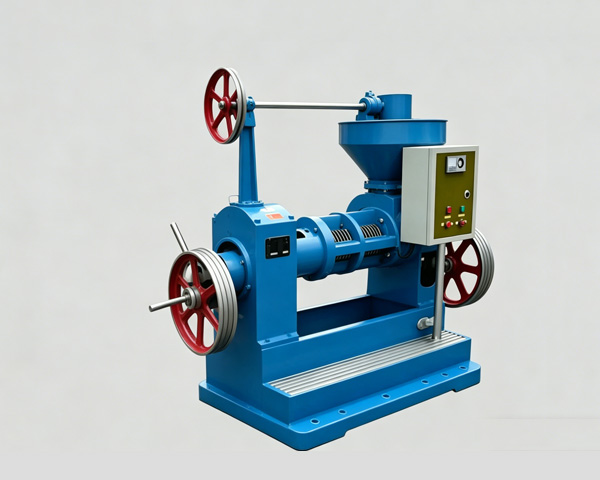
In the daily operation of oil processing, whether it is a small-scale cold press machine or a medium-to-large screw oil press machine, various common faults can arise that affect both oil quality and production efficiency. An unstable oil press machine not only drives up processing costs but also compromises the taste and shelf life of the finished edible oil products. This article provides detailed diagnostic steps and solutions for five high-frequency fault phenomena, helping your oil equipment quickly return to its ideal operating condition.
Fault 1: Unstable Oil Output
Fluctuating oil output usually indicates unbalanced pressure inside the pressing chamber or interruptions in the feeding stage. This is a priority signal to address for any type of oil processing equipment.
1. Inspect the Feeding and Discharge Channels:
First, check whether the feed inlet and cake outlet are blocked by compacted cake crumbs or foreign objects. Blockages cause the pressure inside the pressing chamber of a screw oil press machine to fluctuate, affecting output stability.
2. Check the Condition of the Press Worm:
The press worm is the most critical component among oil press spare parts. Inspect its surface for severe wear or fractures. An excessively worn press worm cannot provide consistent forward thrust and must be replaced immediately.
3. Verify Normal Motor Operation:
Eliminate issues such as phase loss and motor overheating. If the motor speed is unstable or its load capacity has decreased, contact a professional oil press repair service for in-depth inspection.
Fault 2: Excessively High Oil Outlet Temperature
Excessively high oil outlet temperature directly destroys the nutritional components of the oil, deepens its color, and may even generate harmful substances. Maintaining an appropriate pressing temperature is an important indicator of oil equipment performance.
1. Clean the Cooling System:
Check whether the host machine’s cooling fan or circulating water cooling system is functioning properly. For a continuously operating screw oil press machine, effective heat dissipation is key to preventing overheating.
2. Adjust Feeding Speed and Material Moisture:
Feeding too quickly or processing raw materials that are too dry and hard generates significant internal friction heat. Reduce the feeding rate appropriately, or use a seed roaster in the pretreatment stage to adjust the moisture content and temperature of the raw material, bringing it to an ideal state for pressing.
3 Calibrate the Heating Device:
If the equipment is fitted with a preheating system, the thermostat setting must be rechecked to ensure the heating element does not continue to heat up uncontrollably.
Fault 3: Excessive Impurities in the Crude Oil
Turbid oil with excessive sediment often results from inadequate solid-liquid separation during the pressing stage or a failure in the subsequent filtration process.
1. Strictly Control Raw Material Cleanliness:
Avoid mixing in stones, clods of earth, or stalks. High-quality raw materials are the foundation for a cold press machine to produce clean oil.
2. Clean or Replace the Filter Screen:
Check whether the internal filter screen is damaged or clogged. Especially when pressing high-fiber oilseeds, regularly cleaning the filter cloths and elements of the oil filter machine is crucial.
3. Watch for Press Worm Wear:
When the gap between the press worm and the pressing cage increases due to wear, a large amount of fine fiber residue will mix into the oil. The clearance needs to be adjusted or the complete set of oil press spare parts replaced.
Fault 4: Excessive Noise from the Oil Press Machine
High-decibel knocking sounds or metallic friction noises are immediate precursors to mechanical damage. The machine must be stopped and inspected at once.
1. Check the Lubrication System Oil Circuit:
Check whether there is sufficient hydraulic oil or grease in the gearbox and at each bearing position. Dry friction is the primary culprit behind harsh, abnormal noises.
2. Tighten Transmission Components:
Check whether pulleys, couplings, and foundation bolts are loose. Equipment vibration causes connectors to come loose and generate severe noise. In such cases, the machine should be stopped and all loose connections on the oil processing plant equipment must be tightened using professional tools.
3. Inspect the Motor Bearings:
If the motor emits electromagnetic noise or internal scraping sounds, it should be removed promptly for repair or have its bearings replaced.
Fault 5: Equipment Oil Leakage
Oil seepage on the exterior of the machine body not only wastes raw material but may also cause the high-pressure hydraulic system to lose pressure, preventing the machine from building up effective force.
1. Replace Aging Seal Rings:
Inspect shaft end oil seals, pipe fittings, and gaskets. Rubber components harden and fail after prolonged exposure to heat and pressure. In such cases, the seal rings need to be replaced immediately.
2. Tighten Loose Joints:
The pipe fittings on a hydraulic press machine tend to loosen under long-term vibration. Wipe down the machine body thoroughly, identify the leakage points, and re-tighten all connections comprehensively to ensure the system integrity of the hydraulic oil press machine.
3. Adjust Fit Clearances:
If the clearance between the screw shaft and the cake outlet is too large, wet oil will be squeezed out through the gap. The cake outlet clearance should be strictly calibrated according to the instruction manual.
Regardless of which fault you are dealing with, establishing a routine inspection system of “early detection, early treatment” is fundamental to ensuring long-term, stable operation of the production line. Most anomalies with an oil press machine originate from inadequate cleaning or tightening during the initial stages. By optimizing the matching oil refining equipment and oil filtration equipment, oil product quality can be further enhanced. If your equipment frequently encounters the problems described above, or if you need to purchase highly wear-resistant oil press spare parts, please feel free to contact [KMEC]. We provide professional technical diagnosis and complete line upgrade solutions to ensure your oil equipment remains in optimal production condition.