
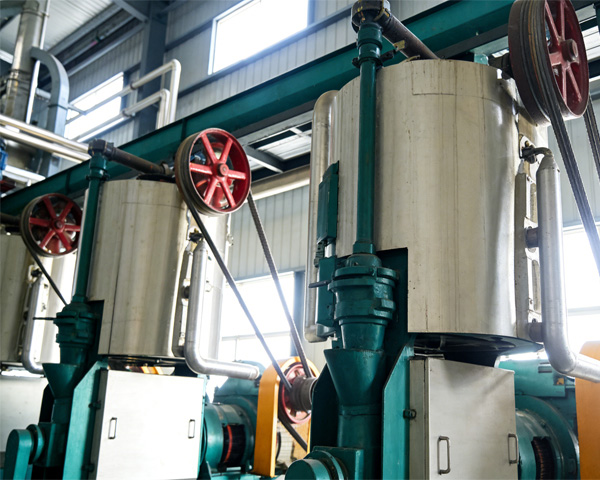
In the coconut oil processing industry, the copra oil machine is the core equipment that determines extraction efficiency and final oil quality. Copra (dried coconut kernel) is a high oil-content raw material, and its processing requires careful equipment selection. This article systematically introduces the common types of copra oil machines and their features, assisting oil processing enterprises and small to medium-sized oil mills in selecting the most suitable copra oil extraction equipment based on production scale and product quality goals.
1. Hydraulic Oil Press – The Reliable Choice for Small to Medium-Scale Production
The hydraulic copra oil press uses a hydraulic system to apply high pressure to copra, squeezing the oil out of the raw material cells. This is a widely adopted model in small and medium-sized processing plants across major coconut-producing regions.
Core Features:
– Simple Operation and Low Maintenance: The structure is relatively traditional and does not require complex electronic control systems, making it easy for frontline operators to master.
– High and Stable Pressure: Maintains strong static pressure during the final pressing stage, contributing to a lower residual oil rate in the copra cake.
– Application Scenarios: Ideal for small-scale coconut oil mills, family workshops, or pilot plants with a daily capacity of several tons.
Limitations: This is a batch-type production process. Loading, pressing, and cake removal require significant manual labor and the automation level is low. Efficiency for large-scale continuous production is lower compared to screw presses.
2. Screw Oil Press – The Efficiency Leader for Industrial Continuous Production
The screw copra oil press is currently the mainstream configuration for large-scale copra oil production lines both domestically and internationally. It utilizes the powerful thrust and volumetric compression of a variable-pitch screw shaft to achieve continuous pressing of copra material.
Core Features:
– Continuous Operation and High Throughput: Can operate 24/7, meeting the demands of large-scale industrial coconut oil production.
– High Degree of Automation: Modern screw oil presses are typically equipped with automatic temperature control and variable frequency drive systems, significantly reducing labor dependency.
– Controllable Residual Oil in Cake: By adjusting the screw clearance and cake discharge thickness, operators can find a balance between oil yield and the protein quality of the meal/cake.
Important Considerations: This machine type has strict requirements for the cleanliness and dryness of copra. If the copra has a high shell content, excessive moisture, or contains sand and stones, it can easily cause abnormal wear on the pressing worms and cage bars, increasing spare parts replacement costs.
3. Centrifugal Oil Separator / Extractor – Ensuring Premium Coconut Oil Quality
Strictly speaking, centrifugal equipment is more commonly used for coconut milk separation or oil refining and purification. However, in processes dealing with high-moisture copra or aiming to produce cold-pressed virgin coconut oil (VCO), the centrifuge is a key supporting piece of equipment.
Core Features:
– Low-Temperature Processing and Nutrient Retention: The temperature rise during centrifugal separation is minimal, maximizing the preservation of the natural aroma and nutritional components of coconut oil. It is suitable for producing high-end edible coconut oil.
– Excellent Separation Efficiency: Utilizes high-speed rotation to achieve three-phase separation of oil, water, and solids, resulting in oil with high clarity.
– Higher Equipment Cost: Precision centrifuges require a higher investment threshold, making them suitable for premium coconut oil production scenarios or as post-extraction refining equipment following mechanical pressing.
4. How to Choose the Right Copra Oil Machine?
When selecting the type of copra oil expeller, it is recommended to comprehensively consider the following three dimensions:
1. Production Scale: For small-scale, batch production, prefer a hydraulic oil press. For daily processing capacities exceeding 10 tons, a screw oil press is recommended.
2. Raw Material Condition: If the copra has relatively high moisture content and a cold-pressed flavor profile is desired, consider a centrifugal separation process. If the raw material is dry and throughput is large, a screw oil press offers the best cost-effectiveness.
3. Target Market: For producing industrial-grade oil or standard edible oil, focus on extraction efficiency. For producing high-end virgin coconut oil, pay close attention to temperature control during the pressing process.
5. Equipment Maintenance and Operating Standards
Regardless of the type of copra oil machine selected, regular maintenance is essential for ensuring stable production line operation:
– Hydraulic Press: Regularly check the sealing of the oil circuit and the cleanliness of the hydraulic oil.
– Screw Press: Lubricate bearings on schedule and clean out residual meal from the barrel before shutting down to prevent overloading during the next startup.
– Pre-Operation Check: Always perform magnetic separation and screening before operation to prevent metal foreign objects from entering the pressing chamber.