
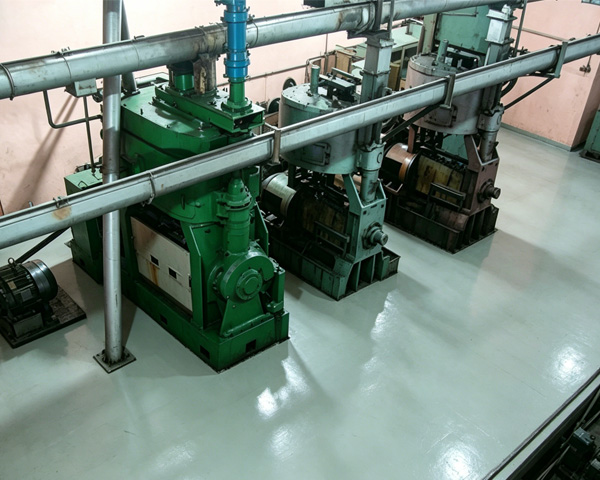
In the edible oil processing industry, the oil press is the core production equipment. Different oilseeds and process requirements call for different types of oil presses. Choosing the right press not only improves oil yield but also preserves the nutrition and flavour of the oil. This article provides a comprehensive analysis of screw oil presses (including cold pressing and hot pressing), hydraulic oil presses, and emerging oil extraction technologies.
1. Screw Oil Press: The Most Widely Used Oil Extraction Equipment
The screw oil press works on the principle of screw extrusion. It is suitable for various oilseeds such as soybean, peanut, cottonseed, and rapeseed. Its advantages include simple structure, easy operation, and stable output, making it the most common oil press equipment on the market today.
However, screw presses require relatively high pretreatment of the raw material – usually including dehulling, crushing, and drying. Depending on the pressing process, screw oil presses can be divided into two types:
1.1 Cold Press Oil Press
A cold press operates at a temperature below 60 °C, using a low‑temperature extraction process. It is suitable for oilseeds such as sesame, olive, and almond. Its greatest advantage is that it preserves the natural nutrients and original flavour of the oilseeds, making it ideal for producing high‑end cold‑pressed oils.
Advantages: Good nutrient retention, pure and natural oil flavour
Disadvantages: Lower output, more complex process, higher cost
1.2 Hot Press Oil Press
A hot press typically operates at a temperature above 80 °C and is suitable for oilseeds such as soybean, peanut, and cottonseed. At high temperatures, the cell structure of the oilseed is disrupted, resulting in higher oil yield and greater throughput.
Advantages: High oil yield, high production efficiency
Disadvantages: High temperatures may destroy some nutrients, and the oil flavour and quality are relatively lower
2. Hydraulic Oil Press: A Stable and Efficient Pressing Method
The hydraulic oil press uses hydraulic pressure to extract oil. It is suitable for oilseeds such as sesame, sunflower seed, and walnut. The equipment operates stably, is easy to handle, and offers a good oil yield. It is especially well‑suited for small‑batch, high‑quality oil production.
Advantages: Stable operation, high oil yield, simple operation
Disadvantages: Higher equipment cost, relatively more complex maintenance
3. New Oil Extraction Technologies: Future Directions
With technological advances, new types of oil extraction equipment – such as supercritical fluid extraction and microwave‑assisted extraction – are gradually being adopted in the oil industry. These technologies offer clear advantages in improving oil yield while preserving the nutrition and flavour of the oil, making them an important direction for high‑end oil production.
How to Choose the Right Oil Press?
– If you prioritise nutritional value and original flavour, and your raw material is sesame, olive, etc., a cold screw oil press is a good choice.
– If you focus on output and efficiency, and your raw material is soybean, peanut, etc., a hot screw oil press is suitable.
– If you need stable, high‑quality small‑batch production, a hydraulic oil press is an excellent option.
– If you have sufficient budget and want to adopt cutting‑edge technology, consider supercritical or microwave‑assisted extraction equipment.
When selecting equipment, always consider the characteristics of your oilseed, your production scale, quality requirements, and investment budget.
For more information on oil press equipment or help with selection, please contact us.