
As one of the most widely produced vegetable oils in the world, palm oil is used in a variety of industries, including food, chemicals, and biofuels. However, crude palm oil extracted from palm fruits cannot be directly used for edible or industrial purposes. It must undergo refining to remove impurities, pigments, and odors to meet the required quality standards. This article provides a detailed overview of the main palm oil refinery processes, equipment types, and their applications.
Main Palm oil refinery Processes
Palm oil refinery is primarily divided into chemical refining and physical refining. These two methods differ in principle, process flow, and suitability for different types of crude oil.
Chemical Refining
Chemical refining, also known as alkali refining, uses a strong base to neutralize free fatty acids (FFAs) in the crude oil, forming soapstock that is subsequently separated. This process is suitable for crude oils with high FFA content (e.g., over 5%) or high carotene levels, helping to reduce refining losses and operating costs. Chemical refining typically includes degumming, neutralization, bleaching, and deodorization, and is used for palm oil, palm kernel oil, and other vegetable oils such as soybean oil.
Physical Refining
Physical refining uses steam distillation under high-temperature vacuum conditions to remove free fatty acids directly. Compared to chemical refining, physical refining offers several advantages:
- Higher throughput and refining efficiency
- Lower production costs
- Shorter processing time
- Direct recovery of high-purity distilled fatty acids
- Reduced wastewater and exhaust gas emissions
Currently, most refineries in Malaysia use physical refining for crude palm oil. Physical refining is also suitable for palm oil and palm kernel oil, especially in large-scale continuous production.
Types of Palm oil refinery Equipment
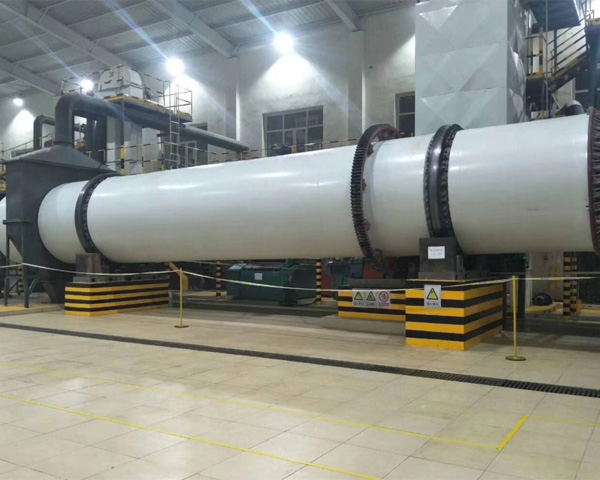
Based on the level of automation and production capacity, palm oil refinery equipment can be classified into three types:
- Batch Refining Equipment: Ideal for small or micro production lines with a capacity of 1–20 tons per day. It offers low investment costs and flexible operation, making it suitable for startups or small-scale operations.
- Semi-Continuous Refining Equipment: Designed for medium-sized production lines with capacities of 10–50 tons per day, offering a balance between efficiency and process control.
- Continuous Refining Equipment: Suitable for industrial-scale production with capacities exceeding 30 tons per day. These systems feature a high degree of automation and are ideal for large refineries.
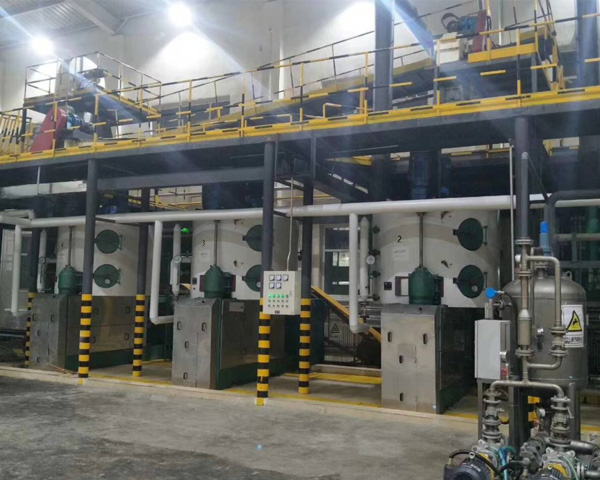
For small to medium-sized enterprises, small-scale palm oil refinery equipment (1–30 tons per day) is an excellent choice. These systems typically integrate core processes such as degumming, bleaching, and deodorization in a compact, easy-to-operate design, efficiently refining crude oil into finished products.
In industrial applications, advanced equipment such as vacuum leaf filters is widely used to improve filtration efficiency and ensure stable, high-quality refining.
Detailed Palm oil refinery Process
Whether chemical or physical refining is used, the core steps in palm oil refinery are degumming, bleaching, and deodorization.
1. Degumming
Phosphoric or citric acid is added to remove gums, phospholipids, and trace metals (such as iron and copper) from the crude oil, preparing it for subsequent refining stages.
2. Bleaching
Under a vacuum system, adsorbents are used to remove pigments, residual gums, and metal ions from the oil, improving its color and stability.
3. Deodorization
Steam treatment is applied at temperatures between 240°C and 260°C to remove odor compounds and free fatty acids. The oil is then cooled to approximately 55°C. This stage significantly affects the final oil’s flavor, color, and oxidative stability.
How to Choose the Right Palm oil refinery Equipment
When selecting refining equipment, consider the following factors:
- Production Capacity: Batch equipment is ideal for small-scale startups, while semi-continuous or continuous systems are better suited for expanding or large-scale operations.
- Raw Material Characteristics: Crude oils with high FFA or carotene content are better suited to chemical refining, while physical refining is recommended for standard crude palm oil.
- Automation Needs: Fully automated control systems help reduce labor costs and improve production stability.
- Environmental Requirements: Physical refining offers advantages in wastewater and exhaust gas treatment.
If you are planning a palm oil refinery project, feel free to explore our palm oil refinery equipment solutions. We offer complete refining systems ranging from 1 ton per day to over 100 tons per day, covering all stages including degumming, neutralization, bleaching, deodorization, and fractionation. Our systems support customized designs and full automation to help you achieve efficient, low-cost, and environmentally friendly oil refining.
Palm oil refinery is a critical step in transforming crude oil into high-quality edible oil. Whether you choose chemical or physical refining, selecting the right process and equipment directly impacts product quality, production costs, and environmental performance. We hope this article provides valuable insights for your palm oil refinery equipment selection and process optimization.
If you have any questions about palm oil refinery, please feel free to contact us. We are here to provide professional technical support and equipment solutions.