
Whether you are a palm plantation owner in Nigeria or a start-up processor in the Congo, everyone asks the same question before entering the palm oil industry: how much does a palm oil press machine actually cost? The answer spans a wide range — a basic stand-alone machine can cost as little as $950, while a complete set of oil processing plant equipment can require an investment of over $1,700,000. Behind this price difference lies a combination of processing capacity, automation level, and supporting processes. This article will break down the costs layer by layer according to equipment tier, helping you find the best-matched palm oil processing solution based on your own production capacity and budget.
1. Stand-Alone Equipment: A Flexible Choice for Small-Scale Startups
If your raw material supply is limited or you are still at the pilot stage, a single palm oil press machine is the most economical entry point. The cost of a stand-alone machine ranges from $950 to $29,000 depending on the processing capacity.
For users with smaller capacity requirements (such as small plantations or start-up processing points), we recommend the 500 kg/h single screw oil press machine. This model features:
– Durable Material:
The press worm is integrally cast from 2Cr13 wear-resistant alloy steel, coping with the high abrasiveness of palm fruit fiber and significantly extending the service life of oil press spare parts.
– Dual Power Options:
Both diesel engine and electric motor drive configurations are available, adapting to the electricity and fuel supply conditions of different regions.
– High Oil Output Quality:
After multiple rounds of debugging and optimization, the residual oil rate is low while ensuring the integrity of the palm kernels, preserving the raw material value for subsequent processing by a palm kernel oil press machine.
If your daily processing capacity exceeds 10 tons, we recommend the double screw oil press machine. This model can process 1-2 tons of palm fruit per hour. The pump station drives two pressing screws to rotate in opposite directions, with blades intermeshing to release oil. The closer to the oil outlet, the smaller the gap between the blades, which makes it less prone to clogging, more conducive to smooth pulp pressing, and results in a higher oil yield.
2. Small Production Line: A Complete Solution for New Entrants
For start-up businesses looking to achieve a certain level of automation, a set of three-piece simple palm oil processing equipment is the ideal configuration. Designed specifically for beginners in this industry, it makes processing more convenient and efficient:
– 500 kg palm oil press machine — the core extraction equipment
– Palm fruit thresher — with a processing capacity of up to 2 tons per hour, efficiently separating kernels from shells
– Filter machine — removes impurities from the crude oil, improving oil clarity
For users with larger capacity requirements, the cost of a small palm oil production line (1-5 tons per hour) ranges from approximately $100,000 to $260,000. This production line can completely cover the entire process from palm fruit threshing and digestion to pressing with a screw oil press machine and purification with an oil filter machine, making it a cost-effective choice for those who wish to start a palm oil production business.
3. Large Production Line: Complete Configuration for Industrial-Scale Production
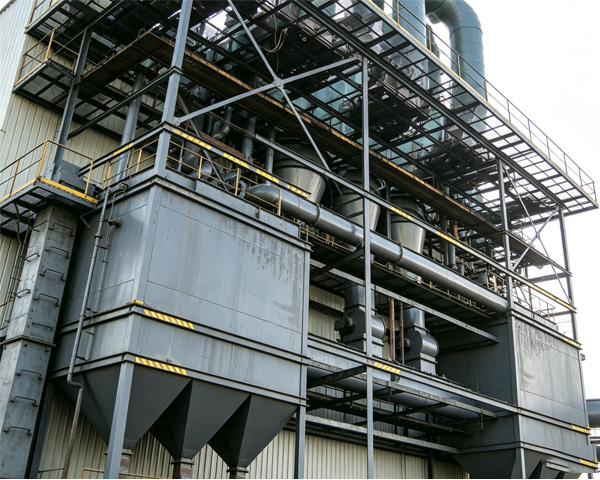
If your goal is to build a large palm oil processing plant, the cost of a large palm oil production line (10 tons per hour and above) exceeds $1,700,000, with processing capacities ranging from 10 to 120 tons per hour. A complete large production line includes the following sections:
– Raw Material Receiving Area: Weighing, quality inspection, and temporary storage of fresh fruit bunches (FFB)
– Sterilization Section: Using steam to sterilize fresh fruit bunches at high temperatures, inactivating enzymes and preventing the rise of free fatty acids
– Threshing Section: Equipped with a palm fruit thresher to separate the fruits from the bunches
– Digestion Section: Using a steam-jacketed digester to separate the pulp from the nuts and break down oil cells
– Pressing Section: Configured with a high-capacity palm oil press machine for continuous crude oil extraction
– Filtration and Clarification Section: Using oil filtration equipment and settling tanks to remove fiber and moisture
– Vacuum Drying Section: Reducing the moisture content of the crude oil to storage standards
– Oil Storage Tank Area: Temporary storage and shipment of finished palm oil
This complete set of oil processing plant equipment is technically mature and has accumulated extensive project experience in African countries such as Nigeria, Liberia, Côte d’Ivoire, and Cameroon.
4. Brief Overview of the Small Plant Palm Oil Production Process
A small palm oil processing plant typically serves smallholders and entrepreneurs with a daily output of less than 20 tons. Its production process covers the following key steps:
4.1 Palm Fruit Reception: Check the quality and freshness of the fresh fruit bunches
4.2 Palm Fruit Threshing: Separate the kernels from the shells
4.3 Kernel Digestion: Heat and cook to release oil
4.4 Palm Oil Extraction: Press using a palm oil press machine
4.5 Palm Oil Purification and Filtration: Remove impurities from the crude oil
Compared to a large plant, small-scale oil processing equipment is easy to operate and maintain, has a lower capital threshold, and is an ideal starting point for smallholders and startups entering the palm oil industry.
5. Other Factors Affecting the Total Cost of Building a Plant
Establishing a palm oil plant involves more than just equipment procurement. The following factors also need to be included in the investment budget:
– Land and Plant Building: Site acquisition or leasing, workshop construction, storage facilities
– Utilities: Water and power supply, configuration of steam boilers or thermal oil heaters
– Labor Costs: Salaries and training for operators, technicians, and management personnel
– Permits and Compliance: Administrative costs such as environmental approvals and production licenses
– Operating Costs: Ongoing expenses including raw material procurement, energy consumption, equipment maintenance, and the replacement of oil press spare parts
Whether you plan to start with a small palm oil press machine or directly invest in a complete set of oil processing plant equipment, a clear understanding of costs and the right equipment selection are the cornerstones of a successful project. The palm oil processing industry enjoys high profit margins and continuously growing demand — but only projects that are properly configured and well-maintained can truly turn market opportunities into long-term returns. If you are planning a palm oil processing project, please feel free to contact KMEC for a detailed equipment list, plant layout, and investment estimate proposal.