
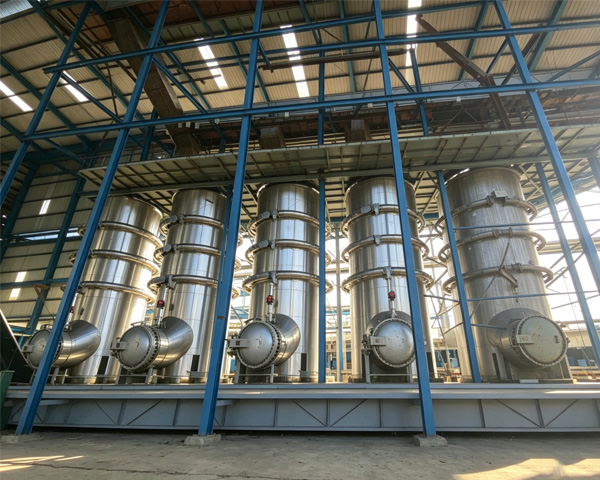
For many entrepreneurs and farmers looking to enter the oil processing industry, starting a small-scale oil pressing plant is an option with a moderate entry threshold and stable returns. Whether you are processing your own sunflower seeds or peanuts, or purchasing soybeans and cottonseed from nearby farms for pressing, a reasonably configured set of small-scale oil processing equipment can help you launch your business quickly. However, “how much capital is needed” remains the first question in decision-making. This article will break down the real investment composition of a small oil pressing plant from four dimensions: core equipment, auxiliary configuration, plant construction, and operating costs.
1. Core Equipment Investment: The Basic Configuration of a Small Oil Pressing Plant
For a basic small oil pressing plant, the equipment investment typically ranges from $2,200 to $12,000. This budget can cover the following core oil equipment:
– Main Oil Press Machine:
This is the “heart” of the entire production line. A screw oil press machine with a suitable processing capacity can press common oilseeds such as sunflower seeds, soybeans, peanuts, and rapeseed. When selecting, attention must be paid to the pressing chamber material and the wear resistance of oil press spare parts.
– Pressure Filter or Small Oil Filter Machine:
Used to remove solid impurities and some moisture from the crude oil. Equipping an efficient oil filter machine can significantly improve the clarity and shelf life of the finished oil.
– Seed Cleaning Equipment:
This includes cleaning sieves, magnetic separators, and destoners, used to remove impurities such as soil, stones, and metal debris from the oilseeds before pressing — clean raw material is the foundation for ensuring stable operation of the oil press machine and consistent oil output quality.
These core equipment pieces feature a simple structure and intuitive operation, enabling the completion of the entire process from raw material cleaning to oil extraction and then to preliminary filtration with relatively low labor costs and initial investment, making them ideal for a start-up small edible oil processing plant.
2. Scaling Up: Complete Line Equipment Configuration and Investment Range
If you require a larger daily processing capacity and more comprehensive process support, you can opt for a complete set of oil processing plant equipment, with an investment cost ranging from approximately $15,000 to $100,000. A complete pretreatment and pressing production line typically includes the following sections:
– Cleaning Section: Equipped with magnetic separators, cleaning sieves, and destoners to deeply remove various impurities.
– Dehulling Section: For hulled oilseeds such as peanuts, cottonseed, and sunflower seeds, a dehuller machine is configured to separate the kernel from the hull, reducing hull-induced wear on the pressing chamber and improving oil yield.
– Conditioning Section: Using a flaking mill and cooking kettle (seed roaster) to adjust the temperature, moisture, and internal structure of the oilseeds, bringing them to an ideal state for pressing and thereby facilitating oil extraction.
– Pressing Section: Configured with a capacity-matching screw oil press machine or hydraulic oil press machine to press oil from the conditioned material.
– Filtration Section: Using oil filtration equipment to remove residual impurities and moisture from the crude oil, obtaining a cleaner finished oil.
3. Hidden Costs That Are Easily Overlooked: Plant, Installation, and Operation
Beyond the equipment itself, starting a small-scale oil pressing plant also requires budgeting for the following expenses:
– Plant Construction Costs:
Includes site leasing or acquisition, workshop construction, raw material storage, and finished oil storage areas. Priority should be given to locations close to the raw material supply or with convenient transportation logistics.
– Equipment Installation and Commissioning Fees:
Ensures the oil processing equipment is securely placed, electrical wiring is correctly connected, and preliminary training is provided for operators.
– Operating Costs:
Includes electricity costs, fuel costs (steam or thermal oil), equipment maintenance, and the replacement cost of consumable oil press spare parts. These ongoing operating expenses directly affect the project’s long-term profitability.
– Labor Costs:
Depending on the level of automation, a small production line may require 1 to 3 operators.
4. Raw Material and Product Positioning: Key Variables Determining Equipment Selection
The positioning of an edible oil processing plant mainly depends on the processing scale, process route, and oilseed varieties. Based on our experience serving global customers:
– Common Mainstream Oilseeds: Such as soybeans, sunflower seeds, peanuts, and palm fruit, are suitable for a highly versatile screw oil press machine and matching pretreatment equipment.
– High-Value Specialty Oilseeds: Such as almond oil, grapeseed oil, and prickly pear seed oil, rely more on low-temperature pressing technology and a cold press machine, and require a complete set of oil refining equipment to meet the quality standards of the high-end market.
A small edible oil processing plant capable of flexibly handling multiple oilseed varieties will be more competitive when dealing with seasonal fluctuations in raw material supply and diversified market demands.
5. Finding a Reliable Manufacturer: A Factor More Important Than Equipment Price
Selecting an oil processing equipment manufacturer is one of the most critical decisions in the entire investment. The success of a project depends not only on your business management and market judgment but also closely on the manufacturer’s engineering quality and service capabilities. The root cause of operational problems in many oil pressing plants that lead to production interruptions often lies in the manufacturer’s failure to provide timely technical support and spare parts supply.
An excellent manufacturer will help you:
– Carry out rational oil equipment selection based on raw material varieties and production capacity targets
– Provide equipment installation guidance and operator training
– Establish a recommended spare parts list for commonly used oil press spare parts
– Provide timely technical support throughout the equipment’s lifecycle
Starting a small-scale oil pressing plant, whether with a daily capacity of 1 ton or 30 tons, is an investment that requires systematic planning. When you integrate equipment, plant, operating, and labor costs into your budget framework, and engage a reliable equipment supplier, this path will become clear and structured. If you are planning your own oil pressing plant project or wish to obtain a detailed quotation for specific oilseeds and equipment capacities, please feel free to contact KMEC — our engineering team will provide a professional proposal including an equipment list, plant layout, and investment estimate based on your actual situation.