
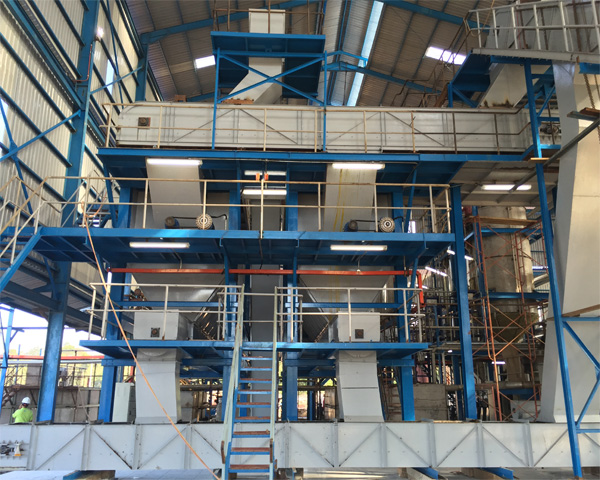
In the edible oil processing industry, the mere mention of building an oil mill often conjures images of sprawling industrial complexes requiring massive capital investment. This, however, is a common misconception. For entrepreneurs and farmers looking to enter the edible oil market, building a small-scale palm oil mill represents a low-barrier, high-return opportunity. As one of the world’s top three vegetable oils, palm oil enjoys consistent, recession-proof demand across the food, personal care, and pharmaceutical sectors.
This article provides a detailed breakdown of the essential requirements and complete workflow for establishing a small-scale palm oil factory, with special emphasis on the core process—selecting efficient small scale palm oil processing machine—to help you launch a profitable venture.
1. What Preparations Are Needed to Build a Small Palm Oil Mill?
Before breaking ground, you must secure several key elements that directly determine whether your factory will operate smoothly.
1.1 Stable Supply of Fresh Palm Fruit Bunches
Raw material is the foundation of processing. You need to ensure a sufficient supply of Fresh Fruit Bunches (FFB) nearby. You can harvest from your own plantation or establish long-term purchasing agreements with local farmers. If local sourcing is unavailable, plan for cold-chain transport from neighboring wholesale markets or imports.
1.2 Site and Storage Facility
You need a shaded, weather-protected area to store the palm fruit bunches. Excessive heat or improper stacking leads to fruit rancidity and compromises oil quality. It is advisable to build a simple, well-ventilated warehouse to keep the raw material fresh before the cooking stage.
1.3 Core Equipment Checklist (Budget Priority)
This represents the primary capital outlay for the plant. Unlike large-scale factories, a small-scale operation only requires the following key standalone units or a compact set of small scale palm oil processing machine to commence production:
- Palm Fruit Thresher: Separates the individual fruits from the bunch stalk.
- Palm Fruit Sterilizer (Vertical/Horizontal Digester): Softens the fruit pulp and deactivates lipase enzymes using high-temperature steam.
- Palm Oil Press Machine: The heart of the operation, extracting crude oil from the cooked fruit mash.
- Palm Oil Filter/Clarification Equipment: Removes moisture and fibrous impurities to improve oil clarity.
*Pro Tip: Investing in a reliable set of small scale palm oil processing machine is crucial; it dictates your oil yield rate and long-term maintenance costs. Prioritize assessing the durability of materials and the engineering of the screw press shaft.*
1.4 Labor and Packaging
A small-scale plant does not require fully automated packaging lines. Hiring 2-3 workers can cover everything from material handling to bottling. Additionally, do not forget to pre-order oil bottles and storage drums featuring your own brand label.
2. Detailed Production Workflow for a Small Palm Oil Mill
Once you have the equipment and raw material, follow these six steps rigorously to obtain high-quality red palm crude oil.
Step 1: Receiving and Staging
Transport the harvested FFB to the warehouse. Avoid heavy stacking, maintain ventilation, and ideally process the bunches within 24 hours.
Step 2: Fruit Separation (Threshing)
Use a Palm Fruit Thresher to detach the fruits from the stalks. While manual picking is possible, a thresher offers significant efficiency gains, drastically reducing labor costs and processing time. Simply place the bunches into the rotating drum, and the intact palm fruits are automatically separated.
Step 3: High-Temperature Cooking (Sterilization)
This is a critical pre-extraction step. Place the threshed fruits into a sterilizer and heat them to 95-100°C using steam generated by a boiler. Sterilization softens the pulp fibers, destroys enzymes that cause oil hydrolysis, and facilitates later separation of pulp and nut. Monitor the cooking time closely; over-sterilization can negatively affect the oil’s color and Vitamin E content.
Step 4: Oil Extraction (Pressing)
This is the profit core of the entire operation. You must feed the cooked palm fruits into the Palm Oil Press Machine. This specific small scale palm oil processing machine applies immense mechanical pressure to squeeze oil out of the fruit fiber, producing a mixture of oil, water, and solids (crude oil). A high-quality screw press minimizes residual oil content in the press cake, ensuring you extract every possible drop of profit. *Click here to view our recommended models of small scale palm oil processing machine.
Step 5: Filtration and Refining
The pressed crude oil contains moisture, fiber particles, and free fatty acids. Small mills typically use a Plate and Frame Filter or Vibrating Screen for physical filtration. After settling or centrifugation, you obtain clear red palm oil. If you aim to produce colorless, odorless refined oil, small-scale bleaching and deodorizing units are required.
Step 6: Storage and Packaging
Refined palm oil must be stored in stainless steel or plastic tanks with food-grade epoxy resin coatings. Avoid iron containers, as iron can react with the oil and cause contamination. To prevent solidification in cooler climates, maintain a storage temperature of around 50°C using hot water coils. Finally, manual filling and labeling prepare your finished product for distribution to local markets.
3. Why Now is the Perfect Time to Enter Palm Oil Processing
Establishing a small-scale palm oil mill is not just about value addition to agricultural resources; it is a solid investment in capturing the community cooking oil market. Palm oil is not only used for cooking but is also a key ingredient in soaps, cosmetics, and biodiesel—offering extensive market reach.
Success hinges on two pillars: a stable raw material supply chain and reliable small scale palm oil processing machine. If you are planning your first steps in this industry, feel free to consult our engineering team. We provide one-stop solutions ranging from site planning to equipment commissioning.