
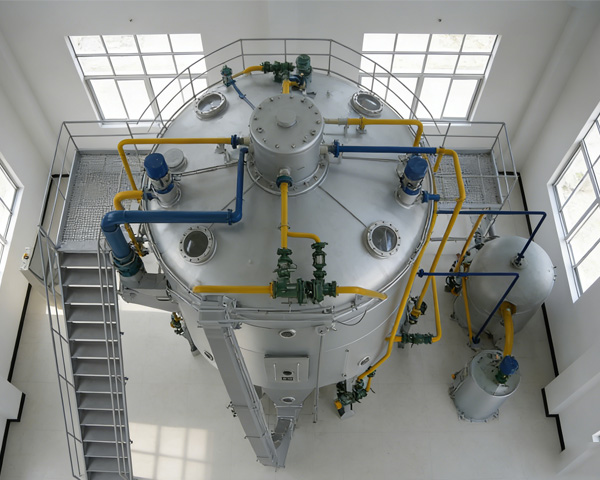
In a complete oil pressing equipment line, the extractor is a core component that determines oil extraction efficiency and final oil quality. Whether you are building a new oil processing plant or upgrading an existing production line, how to select an extractor is often the first question users face. With many types of extractors on the market, each with different specifications and parameters, only by matching your actual needs can you choose the most suitable equipment.
This article will systematically explain how to select an extractor from five aspects: production scale, type of oilseed, equipment quality, ease of operation, and maintenance cost, helping you make a scientific and economical decision.
1. Production Scale Determines Extractor Specifications: Clear Differences Between Small and Large Selections
Extractor selection for small oil mills and extractor specifications for large oil production lines are significantly different.
– For small production lines with a daily processing capacity below 50 tons, it is recommended to choose a compact, lower-investment small extractor for easy installation and operation.
– For large production lines with a daily processing capacity above 100 tons, you need a high-capacity, highly automated extractor to meet continuous production demands.
Therefore, be sure to clarify your capacity goals before selection, avoiding low efficiency or wasted investment caused by improper equipment selection.
2. Which Extractor Is Suitable for Different Oilseeds? Parameters Must Match Oilseed Characteristics
The type of oilseed directly affects the extractor’s temperature, pressure, solvent ratio, and other parameter settings. Understanding which extractor is suitable for different oilseeds is a prerequisite for ensuring extraction performance.
– Parameter selection for soybean extractors: Soybeans have a moderate oil content. The extraction temperature is generally controlled at 50–55°C, requiring high sealing performance and solvent recovery capability.
– Recommended extractor for rapeseed oil: When extracting rapeseed, attention should be paid to controlling solvent residues in the meal. It is advisable to choose an extractor with an efficient drainage section.
– For high-oil or high-viscosity oilseeds such as cottonseed and rice bran, the extractor needs stronger permeability and an adjustable temperature control system.
It is recommended that users clarify the main oilseed varieties to be processed before purchase and request corresponding process parameter solutions from equipment manufacturers.
3. How to Judge Extractor Equipment Quality? Start with Material, Workmanship, and Brand
How to judge extractor equipment quality is a common question many users encounter during procurement. A high-quality extractor should have the following features:
– Use of stainless steel or high-quality carbon steel resistant to solvent corrosion;
– Precise welding process, good sealing performance to reduce solvent leakage;
– Smooth running rotating parts, low noise, long service life;
– A reputable manufacturer with complete after-sales service and real customer cases.
It is recommended that users visit the manufacturer’s production capability and customer sites during selection, not just focus on price while ignoring long-term operational reliability.
4. Comparison of Extractor Ease of Operation: Automation Level Determines Production Efficiency
When conducting a comparison of extractor ease of operation, pay attention to whether the equipment has the following functions:
– An automatic control system that can adjust temperature, liquid level, rotation speed, and other parameters in real time;
– A clear human-machine interface that operators can quickly learn;
– Fault alarm and safety interlock functions to reduce operational risks.
A highly automated extractor not only improves production efficiency but also reduces manual intervention and lowers operating costs.
5. Extractor Maintenance Cost: An Often Overlooked but Critical Factor
Extractor maintenance cost directly affects the equipment’s life-cycle economic benefits. When selecting, pay attention to the following:
– Whether the equipment structure facilitates daily inspection and cleaning;
– Whether wearing parts (such as chains, bearings, seals) are common and easy to source;
– Whether the manufacturer provides timely technical support and spare parts supply.
Choosing an extractor that is easy to maintain and has reasonable spare parts costs can greatly reduce later downtime risks and repair expenses.
How to select an extractor is not a single-dimensional decision but requires a comprehensive consideration of production scale, oilseed type, equipment quality, ease of operation, and maintenance cost. Only by combining these factors with your actual needs can you select the most suitable extractor in a complete oil pressing equipment line.
If you are looking for a stable, cost-effective extractor, please contact us. We will provide professional technical support and equipment solutions based on your oilseed type and capacity requirements.