
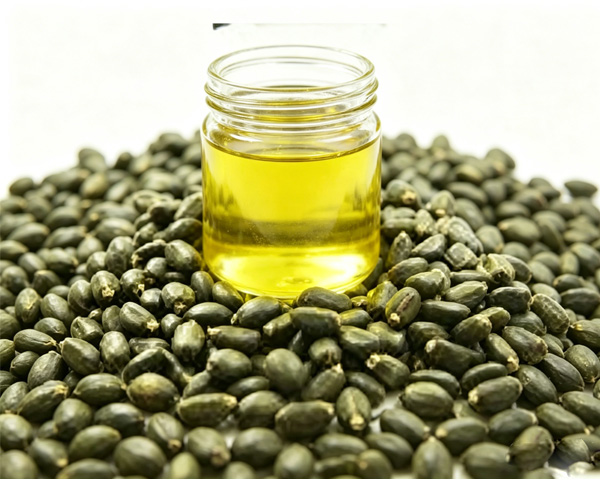
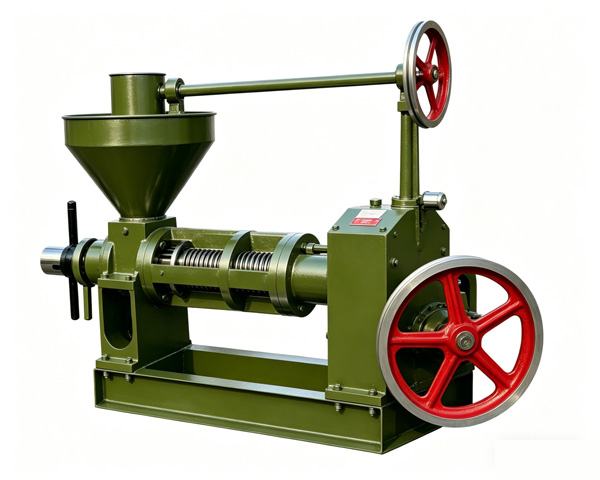
Jatropha oil will never appear on anyone’s dinner plate, but it has found its perfect destination in the energy sector. As a premium biodiesel feedstock, this non-edible vegetable oil is becoming a commodity of intense interest on the global renewable fuel track. If you are evaluating this project, the core question is crystal clear: how can you use an efficient and reliable jatropha oil press to transform jatropha seeds into high-quality crude oil that meets the stringent requirements of downstream biofuel production? This article will break down this increasingly popular processing chain for you, step by step, from seed drying and pressing extraction to purification, storage, and equipment configuration.
1. Raw Material Pre-Treatment: Harvesting and Preparing Jatropha Seeds
Jatropha fruits are harvested when ripe, and the seeds are extracted and then subjected to thorough drying — this is the first critical step affecting the oil yield rate.
– Sun Drying:
The seeds are spread out and dried in the sun for several hours, naturally reducing their moisture content. This causes the cellular structure inside the kernel to shrink and rupture; once the oil-containing cells are broken down, the oil flows more easily during pressing.
– Roasting Assistance:
During rainy weather or when accelerated processing is needed, the seeds can be roasted for no more than 15 minutes. Moderate heating can also break down oil cells, but the temperature must be strictly controlled to avoid scorching, which damages oil quality.
After drying or roasting, the seeds reach the ideal condition to enter the oil press machine, laying the foundation for efficient oil extraction in the subsequent steps.
2. Jatropha Oil Extraction Methods
There are three main methods for extracting jatropha oil: mechanical pressing, solvent extraction, and heating. Among these, heating is rarely used for large-scale production due to its lack of commercial viability.
2.1 Mechanical Pressing — Screw Oil Press Machine
This is the most common and well-established mainstream extraction solution. The jatropha oil press typically uses a single-screw oil press machine, which can both extract jatropha oil from the seeds and produce oil cake as a by-product. The advantages of mechanical pressing include:
– Compact equipment structure with a small footprint, reducing the infrastructure costs of oil processing equipment
– Simple, controllable process without the need for chemical solvents, resulting in high crude oil safety
– The oil cake can be used as organic fertilizer or processed further
For projects requiring a higher oil yield, a second pressing can be performed after the initial run through the screw oil press machine, or matching solvent extraction equipment can be used to recover the residual oil in the cake.
2.2 Solvent Extraction Method
For large-scale jatropha oil extraction plants, the solvent extraction method can form a complementary combination with mechanical pressing. First, pressing extracts approximately 60%-70% of the oil, and then the oil solvent extraction line is used to recover the remaining oil from the cake meal, achieving an overall oil yield rate of over 95%. However, the investment and operational requirements for an extraction workshop are higher, requiring explosion-proof safety facilities and a solvent recovery system.
3. Purification of the Extracted Oil
After extraction, the jatropha oil contains impurities and residual moisture and must be purified to meet the quality standards for biodiesel feedstock or industrial use.
– Sedimentation Method:
This is the simplest, most efficient way to purify jatropha oil. The crude oil is left to stand for 7 to 10 days, allowing solid sediment to settle naturally to roughly 20%-25% of the oil volume, after which the clear upper layer of oil is separated. This method has very low cost but is time-consuming.
– Filtration Method:
Sieves and an oil filter machine are used to remove impurities from the oil. For purifying small quantities of vegetable oil, the filtration method is economically viable; however, in large-scale commercial production, the filtration speed is relatively slow, and fine impurities may pass through the screen, meaning the purification effect may not be thorough enough. It is recommended to use it in combination with the sedimentation method. If deep purification is required to achieve higher quality standards, oil refining equipment can be configured for further processing such as degumming and decolorization.
4. Storage of the Extracted Oil
After purification, jatropha oil needs to be stored properly. Vegetable oil reacts with oxygen in the atmosphere as well as environmental factors such as humidity and high temperatures. If stored improperly for a long time, its quality can severely deteriorate.
– Storage facilities must ensure no moisture ingress, using sealed tanks with nitrogen blanketing to isolate the oil from oxygen.
– The free fatty acid content of the oil to be stored should be below 1%; this is a key indicator for delaying rancidity.
– The storage area should be kept cool and well-ventilated, away from heat sources and open flames.
5. Uses of Jatropha Oil and Market Demand
Jatropha oil is not suitable for human consumption, but it is precisely this characteristic that makes it an excellent choice for non-edible industrial raw materials:
– Biodiesel:
Jatropha oil can be processed into high-quality biodiesel for use in diesel engines and as aviation fuel, which is the core driving force behind current demand growth.
– Industrial Products:
It can be used to manufacture soap, candles, mechanical lubricants, and leather softeners.
– Environmental Protection:
As a clean energy feedstock to replace fossil fuels, jatropha oil holds strategic value in carbon emission reduction and energy security.
It is precisely due to the vigorous growth of the biodiesel market that establishing a jatropha oil processing plant to produce high-quality crude jatropha oil has become an investment direction worth attention.
6. Advantages of the Jatropha Oil Press
A well-designed jatropha oil press should possess the following features:
– Manufactured from High-Quality Steel:
Ensures the durability and stable performance of the equipment under long-term, high-load operation.
– Compact Structure, Small Footprint:
Reduces civil construction investment and workshop space requirements, making it especially suitable for on-site processing models at plantations.
– Customizable Design:
Capacity matching and process adjustments can be made according to actual raw material throughput and oil product requirements.
– Multi-Oilseed Compatibility:
The same machine can also be used to press other non-edible or industrial oilseeds, such as castor seeds and palm kernels, improving equipment utilization and return on investment.
From seed drying and mechanical pressing to purification and storage, jatropha oil processing is a mature technology chain with broad prospects. Choosing the right jatropha oil press and matching oil processing plant equipment will not only ensure a high oil yield rate and stable crude oil quality but also provide a reliable feedstock guarantee for downstream biodiesel production. If you are planning a jatropha oil processing project or wish to learn more about screw oil press machine selection and production line configuration, please feel free to contact [KMEC] — our engineering team will provide you with comprehensive technical support, from raw material analysis to plant layout.