
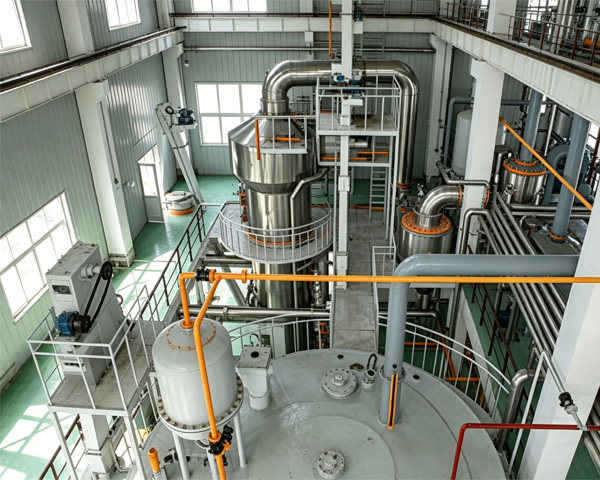
In vegetable oil production, the solvent extraction method is widely adopted by oil processing companies around the world due to its high oil yield, low processing cost, and controllable energy consumption. However, many customers and end consumers ask one key question: Is vegetable oil extracted by solvent extraction safe?
The simple answer is: Yes, it is safe – provided that compliant equipment, strict process control, and a complete refining process are in place.
This article systematically walks you through every step of the oil processing line, from the extractor to the refining equipment, helping you gain a comprehensive understanding of vegetable oil extraction technology and its safety safeguards.
I. Solvent Extraction Method: A High‑Efficiency Vegetable Oil Extraction Process
The solvent extraction method uses the miscibility of organic solvents (such as hexane or extraction gasoline) with the oil in plant materials to extract oil from the cake or meal, and then separates the solvent from the crude oil based on differences in boiling points. This process is particularly suitable for large‑scale processing of raw materials such as soybeans, sunflower seeds, and rapeseed.
Core Advantages:
– Much higher oil yield than simple pressing
– Highly automated, suitable for continuous production
– Solvent is recycled, resulting in low production cost
– Long equipment life and stable return on investment
II. Core Equipment and Process Flow of the Oil Processing Line
1. Extraction Section: The Extractor is the Starting Point
Pre‑treated or pressed cake/meal is fed into the extractor via conveying equipment. The solvent is preheated to about 60°C and thoroughly contacts the cake/meal inside the extractor. The structural design of the extractor directly affects extraction efficiency, and the multi‑stage countercurrent extraction process maximises oil recovery.
2. Miscella Evaporation and Stripping: Evaporator and Stripper
The miscella (oil content 10%–40%) leaving the extractor needs to have the solvent separated from the crude oil. The miscella is sent to an evaporator and a stripper, where it is heated with high‑temperature steam to vaporise the solvent, which is then condensed and recovered. This step is key to achieving solvent recycling.
3. Desolventizing of Wet Meal: Three Steps to Remove Residual Solvent
Wet meal contains 20%–40% solvent and must undergo desolventizing treatment:
– Pre‑evaporation: reduces solvent content and steam consumption
– Direct steam desolventizing: steam passes through the material layer, causing the solvent to boil and evaporate
– Toasting/drying: indirect steam heating removes moisture
This process not only improves the quality of the meal product but also recovers a large amount of solvent, lowering production costs.
4. Solvent Recovery System: Enabling Green Recycling
During evaporation, stripping, and wet meal desolventizing, a large amount of solvent is converted to vapour. The solvent recovery system condenses, separates, cooks, and recycles the gaseous solvent, while ensuring that tail gas and wastewater meet emission standards.
III. Is Vegetable Oil Extracted by Solvent Extraction Safe?
This is the most concerning question for users. We address it from three angles.
1. How are solvent residues removed?
Crude oil after extraction may contain trace amounts of solvent and cannot be consumed directly. Therefore, the crude oil must be sent to refining equipment for desolventizing, deacidification, bleaching, and deodorisation. A compliant refining process can control solvent residue levels within the safe limits permitted by national standards (e.g., DSTU 4492:2017).
2. Does the solvent affect the oil’s colour, odour, and taste?
Different solvents may have minor effects on the sensory properties of vegetable oil. For example, hexane may slightly lighten the colour or remove some aromatic components. However, subsequent bleaching and deodorising steps can completely eliminate or adjust these effects, and the final product retains high‑quality sensory characteristics.
3. How is the safety of the entire oil processing line ensured?
– Equipment quality: Qualified oil press equipment suppliers use explosion‑proof designs and temperature/pressure control systems.
– Process control: Strictly control parameters such as extraction temperature, solvent residue, and steam pressure in accordance with standards.
– Quality testing: Laboratory analysis determines residual solvent content to ensure the finished oil complies with international food safety standards.
Conclusion: As long as compliant oil processing equipment is used and process specifications are strictly followed, vegetable oil extracted by the solvent extraction method is completely safe for consumption.
IV. Pressing vs. Solvent Extraction: Which Is Right for You?
| Comparison | Pressing Method | Solvent Extraction Method |
| Oil yield | Lower | Much higher |
| Processing cost | Higher | Lower |
| Energy consumption | Higher | Lower |
| Equipment investment | Relatively low | Higher but quick payback |
| Suitable raw materials | High‑oil seeds | All types of oilseeds, especially low‑oil meals |
For large‑scale production, the solvent extraction method is generally the more economical choice.
V. Our Oil Processing Equipment Solutions
We provide a complete oil processing line, including the extractor, evaporator, wet meal desolventizing equipment, solvent recovery system, and refining equipment. Our engineers can customise solutions according to on‑site requirements, ensuring:
– Production safety (explosion‑proof, anti‑static, automatic alarms)
– High energy efficiency (multi‑stage heat recovery)
– Easy operation (PLC automatic control)
– Compliance with international export standards
Back to the original question – Is vegetable oil extracted by solvent extraction safe? The answer is yes, provided that scientifically designed oil press equipment and a rigorous refining process are in place. If you are planning or upgrading an oil processing line, feel free to learn more about our vegetable oil extraction equipment. We will provide you with a one‑stop solution – from extractor to refining equipment – to help your business develop safely, efficiently, and sustainably.