
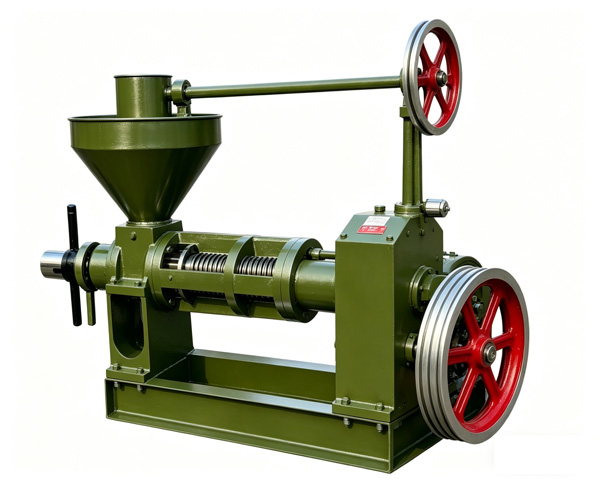
As the core asset of any edible oil processing plant, the stable operation of the oil press directly determines the production line’s oil yield and operating costs. Whether you use a screw oil press suitable for bulk oilseed processing or a hydraulic oil press for high-value cold-pressed oils, establishing a standardized maintenance routine can significantly reduce the risk of unexpected downtime. This article provides a practical operational manual covering daily maintenance, common troubleshooting, and preventive care.
1. Daily Maintenance Essentials for Screw Oil Presses
For screw oil presses tasked with processing mainstream oilseeds such as peanuts, soybeans, and rapeseed, the high-temperature, high-pressure environment inside the pressing chamber places severe demands on component wear resistance.
– Thoroughly Clean the Pressing Chamber and Screw:
After each production run, be sure to clear all cake residue from the pressing chamber. Long-term accumulation of oil sludge not only corrodes oil press spare parts such as the screw worm and bar cage but also causes chamber blockages during the next startup. Use a steel brush to remove coked deposits from the screw shaft.
– Lubrication and Gearbox Inspection:
Every 100 hours of operation, check the lubricating oil level in the gearbox and maintain it at the proper level to prevent abnormal wear of bearings and gears. Poor lubrication is the primary culprit behind abnormal noises in oil equipment.
– Electrical and Temperature Control System Verification:
Regularly test the heating rings and temperature control devices to ensure stable pressing temperatures and responsive regulation. A faulty heating system will directly cause poor oil extraction from the oil press and potentially damage the motor wiring.
– Belt and Fastener Inspection:
Tighten any loose belts or screws promptly. Neglecting the wear of these seemingly minor oil press spare parts often leads to more significant mechanical failures in the equipment.
2. Daily Maintenance Essentials for Hydraulic Oil Presses
The hydraulic oil press relies mainly on hydraulic force for static pressing, so its maintenance focuses on the integrity of the hydraulic circuit and sealing system. This is particularly important for cold press machine users dealing with sesame oil and walnut oil.
– Hydraulic Oil Replacement and Filtration:
It is recommended to change the hydraulic oil every three months of operation to maintain stable system pressure. At the same time, the oil circuit and tank should be cleaned. Using an efficient oil filter machine during this process significantly improves oil change quality and prevents oil contamination from causing valve core sticking.
– Cylinder Seal Ring Monitoring:
If oil seepage is observed around the hydraulic cylinder piston rod, immediately shut down the machine and replace the seal rings. Seal failure directly leads to pressure loss, the most common cause of insufficient pressure in a hydraulic system.
– Instrument and Safety Accessory Check:
Verify that the power grounding is secure and calibrate the pressure gauge readings. Over-pressurization with malfunctioning safety protection is strictly prohibited, as this impacts the overall safety protection of the entire oil refining equipment production line.
– Mold and Pressing Plate Cleaning:
Clean the molds after each operation to prevent high-value oilseed residues from accumulating and blocking oil flow gaps, thereby extending the lifespan of the oil processing plant equipment.
3. Common Fault Phenomena and Troubleshooting Steps
In actual production, diagnosing problems based on observed symptoms restores production most quickly. The following are the most frequently encountered issues in oil press repair:
– Persistent Decrease in Oil Yield:
Often caused by improper moisture content in the raw material or a clogged pressing chamber. If a seed roaster is used, check the humidity of the incoming material; without pre-treatment equipment, natural drying can adjust it. Concurrently, shut down the machine and clear compacted oil cakes from the pressing chamber.
– Equipment Startup Difficulty (Screw Type):
Focus on inspecting motor faults and poor electrical connections. Check the power supply connections and measure motor insulation to prevent the oil processing equipment from burning out due to phase loss.
– Abnormal Noise or Severe Vibration in Pressing Chamber:
A classic sign of screw worm wear or loosened bearings. Immediately stop using the screw oil press, replace the worn press worm, and tighten the bearing housing to prevent irreversible damage to the pressing cage.
– Complete Loss of Hydraulic Pressure:
First, check whether the hydraulic oil in the tank is sufficient; second, inspect the cylinder for internal leakage. Replacing aged seal rings and refilling with original-spec hydraulic oil will typically restore normal pressure.
– High Residual Oil Content in Cake:
Caused by low pressing temperature or a clogged filtration system. Solve the poor oil extraction from cold pressing by increasing the discharge temperature of the seed roaster or preheating the press molds. Additionally, inspect and clean the oil filtration equipment to ensure smooth oil flow.
4. Establishing a Standardized Preventive Maintenance Plan
Rather than urgently searching for the oil press repair manual after a breakdown, follow the four-point prevention policy: “Clean, Tighten, Lubricate, Replace.”
– Daily Idle Cleaning:
After production ends, allow the machine to run idle for a few minutes to eject residual cake crumbs, reducing the risk of overload during the next startup.
– Long-Term Shutdown Protection:
When the machine is idle for more than a week, apply anti-rust oil, store it in a dry and ventilated environment, and remove the belts to prevent stretching.
– Comprehensive Overhaul:
Whether a screw oil press or a hydraulic oil press, a thorough inspection is recommended every six months, focusing on replacing all consumable oil press spare parts and aged sealing components.
Maintaining an oil press is essentially maintaining the production rhythm of the entire oil processing plant equipment. Once operators establish these standard maintenance habits, the equipment failure rate will significantly decrease, and production capacity will be effectively guaranteed.