
You’ve invested in a good screw oil press. The machine runs smoothly. But the oil yield is still disappointing – the press cake still contains too much residual oil, and the oil colour isn’t as clear as it should be. This is a problem many small and medium-sized oil mills have encountered.
The equipment is fine – so where’s the problem?
It’s most likely in the roasting stage.
Pre-treatment of oilseeds before pressing – roasting – is never about “toasting the seeds.” It’s about adjusting the internal cellular structure and moisture content to make mechanical pressing more effective. Proper roasting reduces seed moisture to a level ideal for pressing (typically around 5%), creates micropores, softens proteins, and enhances oil fluidity. The result: higher oil yields and lower residual oil in the meal.
But if roasting falls short – wrong temperature, insufficient time, uneven heating – even the best oil press won’t deliver ideal output.
I. Why Does Roasting Directly Affect Oil Yield?
Roasting is far more than just “heating the seeds.” Several factors work together to determine roasting results – and ultimately, pressing yield:
Oilseed type: Different seeds and nuts have varying structures and moisture contents, affecting how heat penetrates. Seed size matters too – larger seeds take longer to heat through, while smaller ones dry out too quickly.
Desired oil quality: The flavour, stability, and nutritional value you’re aiming for determine roasting time. Over-roasting destroys antioxidants like tocopherols, while under-roasting results in low oil yield.
Roasting temperature: Higher temperatures shorten roasting time but risk over-drying and scorching. The key is finding the right balance between time and temperature.
Seed moisture: Seeds with higher moisture content take longer to reach the ideal 5% moisture level for pressing.
Equipment performance: A stable, reliable drum roaster saves time and allows operators to focus on subsequent pressing or filtration stages.
II. Roasting Parameters for Different Oilseeds
Peanuts, sesame, soybeans, and cottonseed – these four common oilseeds each require different roasting parameters:
| Oilseed | Recommended Roasting Temp (°C) | Recommended Roasting Time (minutes) | Key Considerations |
|---|---|---|---|
| Peanut | 120–170 | 10–25 | Temperatures below 160°C preserve nutty aroma and improve oil yield |
| Sesame | 170–180 | 18–30 | Optimises aromatic oil release while preventing carbonisation |
| Soybean | 110–200 | 10–25 | 140°C is the optimal balance between oil yield and quality |
| Cottonseed | 120–130 | 30–40 | Roast to light golden colour to inactivate gossypol toxin |
The above temperatures are for reference only and should be adjusted according to local seed varieties and desired oil quality. Lower temperatures generally better preserve nutrients in the oil, while higher temperatures improve oil yield.
III. 5 Common Roasting Issues and Solutions
Even with the right parameters and equipment, problems can still occur. Here are the most common roasting issues faced by small and medium-sized oil mills:
| Common Issue | Cause | Solution |
|---|---|---|
| Over-roasting / scorching | Temperature too high or time too long | Reduce temperature, shorten time, increase stirring frequency |
| Under-roasting | Insufficient time, moisture not reduced to ≤5% | Extend roasting time, ensure moisture reaches target |
| Excessively dry seeds, low oil yield | Excessive seed moisture loss | Control temperature and time; lightly mist water if necessary |
| Uneven heating | Inconsistent heat distribution | Use a drum roaster with uniform heating design |
| Over-sized batch | Too large a batch causes uneven heat absorption | Limit batch size per roasting cycle, increase stirring speed |
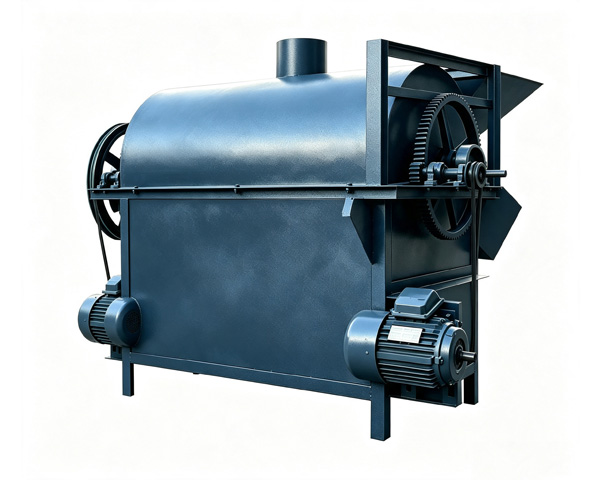
On basic equipment, uneven stirring or heating often results in inconsistent roasting across the batch. Using a professional drum roaster effectively solves this problem – these machines provide even heating, can be set according to batch size, and allow precise time and temperature control.
IV. What Comes After Roasting?
Roasting is just the beginning. Choosing the right screw oil press or hydraulic oil press equally determines the quality and profitability of your final product.
For high-yield hot pressing, the screw oil press is the more efficient choice. For quality-focused cold pressing, the hydraulic oil press better meets the requirements. Each pressing method matches specific roasting profiles – and the right equipment combination can multiply your return on investment.
The balance between roasting, pressing, and filtration ultimately delivers consistently high-quality finished oil.
Bought a good oil press but still getting low yield? The problem may not be in the pressing stage – it likely starts with roasting.
Oil yield, aroma, clarity, and filtration results all begin with roasting. Instead of repeatedly checking your screw oil press settings, take a closer look at whether your seeds are roasted correctly.
From 120°C cottonseed to 170°C sesame, from 10-minute soybean to 40-minute cottonseed – every oilseed has its own roasting rhythm. Paired with a reliable drum roaster and the right pressing equipment, small and medium-sized oil mills can maximise their oil yield.
Contact us today for roasting and pressing equipment solutions tailored to your specific oilseed varieties!