
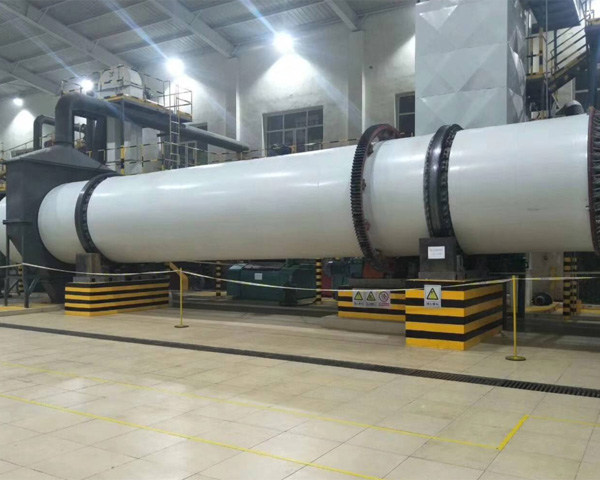
As one of the world’s most productive and actively traded oil crops, palm oil occupies a strategically vital position in food manufacturing, oleochemicals, bioenergy, and even household and personal care sectors due to its high yield, stable supply, and versatile applications. However, even after refining, crude palm oil—while meeting hygienic standards for edible use—remains a semi-solid mixture of liquid and solid phases. Its broad and ambiguous melting range often renders refined palm oil inadequate when confronted with the demands of high-end food industries (such as cocoa butter substitutes, shortening, and ice cream coatings) and precision chemical raw material requirements.
It is precisely this demand for refined industrial processing that has given rise to palm oil fractionation technology, establishing it as an indispensable link in the modern oil and fat deep-processing industrial chain. This article will explore the necessity of the fractionation process by examining the chemical composition of palm oil and, in conjunction with the design principles of specialized palm oil processing equipment, comprehensively illustrate how dry fractionation achieves a leap in oil product added value through purely physical means.
I. Tracing the Source: Why Palm Oil Must Be Fractionated from a Chemical Composition Perspective
The fatty acid profile of palm oil is highly distinctive, with saturated fatty acids (primarily in the form of palmitic acid, accounting for approximately 44-45%) and unsaturated fatty acids (mainly oleic acid at about 39-40% and linoleic acid at about 10-11%) present in nearly equal proportions. This roughly balanced “semi-saturated” characteristic dictates that at ambient temperatures, palm oil is neither a completely clear liquid nor a hard, solid mass; rather, it manifests as a paste-like or creamy consistency containing numerous fine crystals.
For ordinary household frying and food service cooking, this form can be used directly after refining. However, when application scenarios shift to the following fields, fractionation becomes an insurmountable process threshold:
1. High-End Baking and Confectionery Manufacturing: In the production of chocolate coatings, cocoa butter substitutes, or filled centers, the fat is required to remain solid and brittle at room temperature yet melt rapidly at oral temperatures (approximately 35-37°C), delivering the smooth sensation of “melts in the mouth, not in the hand.” This necessitates the high-melting-point stearin fraction.
2. Shortening and Margarine: These applications require fats with excellent plasticity, creaming properties, and gas-holding capacity to support the airy structure and flaky layers of breads and pastries.
3. Oleochemical and Personal Care Industries: The production of raw materials for surfactants, such as high-grade soaps, fatty acid methyl esters, and fatty alcohols, demands fatty acid components with a more concentrated carbon chain distribution and higher purity.
The essence of fractionation lies in leveraging the physical differences in melting points and solubility among various triglyceride (TAG) molecules. Through precise temperature control and separation using specialized palm oil processing equipment, palm oil is resolved into high-melting-point stearin (melting point approximately 48-52°C) and low-melting-point liquid olein (melting point approximately 18-24°C). Compared with traditional hydrogenation (which is prone to generating trans fatty acids and consumes high energy) and chemical interesterification, dry fractionation employs no chemical solvents or catalysts throughout the entire process, relying solely on physical phase changes to achieve separation. Consequently, it is regarded as the healthiest, most environmentally friendly, and most sustainable oil modification solution currently available.
II. Process in Depth: The Three Core Stages of Dry Fractionation and Equipment Technical Details
Dry fractionation is the most economically viable and widely adopted fractionation technique in current industrial applications. A well-designed, highly automated palm oil processing equipment production line is typically configured and optimized around the following three critical stages:
Stage One: Crystal Nucleation and Growth Under Precise Temperature Control
The success of fractionation hinges 50% on whether the crystallization process is properly managed. Refined liquid palm oil first enters the heating pretreatment section of the palm oil processing equipment, where it is uniformly heated to above 60°C. The purpose of this step is to thoroughly “erase thermal history memory,” ensuring that all high-melting-point triglyceride molecules are in a free, disordered molten state, thereby creating an ideal starting point for the uniform precipitation of crystal nuclei.
Subsequently, the high-temperature oil is smoothly pumped into the core equipment—the crystallizer. The interior of the crystallizer features complex and efficient heat exchange coil systems and low-speed agitation mechanisms. The cooling process is not a crude temperature drop but follows a meticulously preset cooling curve:
– Pre-Cooling Phase: Utilizing ambient circulating cooling water, the oil temperature is slowly reduced from above 60°C to the range of 30-40°C. During this phase, crystal nuclei begin to form. The cooling rate must be extremely gentle to prevent the generation of numerous fine, difficult-to-filter “slurry crystals,” instead guiding the formation of coarse, tightly structured “β-form crystals.”
– Deep-Cooling Phase: The system switches to chilled water (typically 5-7°C) to further draw the oil temperature precisely down to the target separation temperature (usually set between 18-24°C based on the desired cloud point of the olein fraction). During this constant-temperature holding period, crystals continue to grow and mature upon the existing nuclei.
The entire cooling circulation system employs a heat recovery design. Chilled water absorbs heat from the oil and becomes warm, and this warm water then enters cooling towers or refrigeration units for heat rejection, forming a closed-loop circuit. This significantly minimizes the operational energy consumption of the palm oil processing equipment.
Stage Two: High-Precision Membrane Filtration and Solid-Liquid Separation
Upon completion of crystallization, the oil slurry is a suspension containing a substantial amount of solid stearin crystals. At this point, the material is conveyed smoothly by a low-speed, low-pulsation screw pump to the membrane filter press to prevent high shear forces from disrupting the already formed crystal structures.
Within the filter press, the liquid olein fraction is driven by pressure through the micro-pores of the filter cloth, collected, and transferred by a dedicated oil pump to the finished olein holding tank. Meanwhile, the solid stearin fraction is effectively retained on the surface of the filter plates and gradually accumulates. Modern membrane filter presses configured in palm oil processing equipment typically employ PLC automatic control programs, allowing for preset automatic cake discharge and cloth washing cycles, thereby ensuring high efficiency and stability in continuous production.
Stage Three: Stearin Recovery and Equipment Protection Mechanisms
The stearin cake remaining on the filter plates after filtration is hard and dense. If allowed to fall directly into the collection tank without treatment, its significant impact kinetic energy could easily cause tank deformation or even weld cracking. Therefore, professional palm oil processing equipment incorporates specially designed inclined buffer plates or grid-type crushing devices at the inlet of the stearin collection tank. As the stearin cake descends, it first collides with the baffle and breaks into smaller pieces, effectively safeguarding the tank structure and extending the overall service life of the equipment.
Furthermore, to facilitate transfer and secondary processing (such as re-fractionation for the stringent requirements of the confectionery industry), heating coils are installed at the bottom of the collection tank. By introducing steam or thermal oil, the solid stearin is remelted into a liquid state and subsequently pumped to the stearin storage tank, awaiting packaging or entry into the next stage of deep processing.
III. Process Extension: Secondary Fractionation and Customized Production of Specialty Fats
The process described above is commonly referred to as “single fractionation.” The resulting olein fraction (super olein) exhibits a low cloud point and good cold stability, making it an ideal base oil for premium frying oils and blended oils. The stearin fraction finds broad application in margarine and industrial fats.
However, as the food industry advances toward high-end and segmented markets, particularly the confectionery and chocolate coating sector with its exacting demands on fat melting profiles, stearin obtained from single fractionation often still contains some low-melting components, resulting in suboptimal “hardness” and “brittleness.” In such cases, the palm oil processing equipment production line must proceed to secondary fractionation.
Secondary fractionation involves remelting the primary stearin and subjecting it to a second round of crystallization and filtration under a higher temperature regime and stricter temperature control. The mid-fraction or super stearin obtained after this dual “purification” possesses a very steep solid fat content (SFC) curve, melting almost instantaneously near human body temperature. It serves as an ideal substitute for expensive cocoa butter in the manufacture of high-quality chocolate products. This process vividly demonstrates the robust capability of modern palm oil processing equipment to achieve precise fat modification through physical means.
IV. The Cornerstone Upfront: The Decisive Impact of Oil Pressing Equipment on Fractionation
From a holistic perspective of oils and fats engineering, the process performance of downstream fractionation and refining is deeply rooted in the upstream preprocessing and pressing stages. Whether processing fresh palm fruit bunches (FFB) or soft oilseeds like soybeans, rapeseed, and peanuts, the quality indicators of the crude oil—including phosphorus content, impurity level, acid value, and color—directly impact the refining load and fractionation yield of the subsequent palm oil processing equipment.
For instance, if upstream sterilization or cooking processes are inadequate, leading to high gum content or severe rancidity in the crude oil, the degumming and deacidification loads in the refining section will multiply. Furthermore, some oxidative polymerization products, upon entering the subsequent fractionation stage, can interfere with normal crystal formation, resulting in reduced filtration rates, lower yields, and increased equipment fouling.
It is for this very reason that our company invests heavily not only in the iteration of downstream refining and fractionation technologies but also in the field of oil pressing. Our range of oil press equipment encompasses complete process solutions—from raw material cleaning, crushing, and flaking to cooking/conditioning and screw pressing. By optimizing the pressing chamber pressure profile and the moisture and temperature of the incoming material, we ensure that every drop of expelled crude oil enters the subsequent palm oil processing equipment workshop in optimal initial condition, thereby laying a solid foundation for low consumption, high yield, and stable operation of the entire production line.
V. Industry Pain Points and Equipment Selection Guidelines
When faced with the vast array of palm oil processing equipment suppliers in the market, oil and fat processing enterprises often encounter the following core pain points during selection and production line planning:
1. Balancing Yield and Quality: Over-pursuit of liquid oil yield can lead to excessively high oil content in the stearin fraction, and vice versa. Superior equipment should help clients identify the optimal economic balance point through precise temperature control in crystallizers and efficient filter area design.
2. Energy Consumption Control: Refrigeration and heating represent significant energy expenditures during fractionation. Advanced palm oil processing equipment utilizes two-stage compression refrigeration units and plate heat exchangers, coupled with intelligent automatic temperature control systems, achieving energy savings of 15%-25% compared to conventional setups.
3. Ease of Maintenance: The frequency of filter cloth replacement and the difficulty of cleaning scale deposits inside crystallizers directly impact actual production efficiency.
Leveraging years of EPC (Engineering, Procurement, Construction) experience in vegetable oil pretreatment, pressing, extraction, refining, and fractionation, our company provides not only high-quality individual palm oil processing equipment units but also excels in overall plant process design and automation integration. From material and heat balance calculations to equipment layout planning and 3D piping design, we ensure that every plant delivered embodies process advancement, operational safety, and investment viability.
VI. One-Stop Solution Invitation
With growing global consumer demand for “clean label” and “non-hydrogenated” healthy fats and oils, the physical dry fractionation technology and its associated palm oil processing equipment are poised for a promising market outlook. Mastering core fractionation processes empowers oil processing enterprises to convert a single raw material into a series of high-value-added products spanning high, medium, and low melting point ranges, thereby constructing formidable technical barriers in an intensely competitive marketplace.
We are deeply rooted in the field of oils and fats engineering, possessing mature manufacturing capabilities for palm oil processing equipment and extensive project implementation experience worldwide. Whether you are planning to construct a new, large-scale integrated palm oil refining and fractionation complex with a daily capacity of several hundred tons, or seeking to upgrade and modernize existing production lines for energy savings and efficiency gains, our engineering team is equipped to tailor the most optimized and cost-effective process design solutions based on your specific raw material characteristics, finished product positioning, and site conditions.
Should you have any requirements or technical inquiries regarding oils and fats engineering projects, please do not hesitate to contact us for professional project consultation and detailed quotation proposals.