
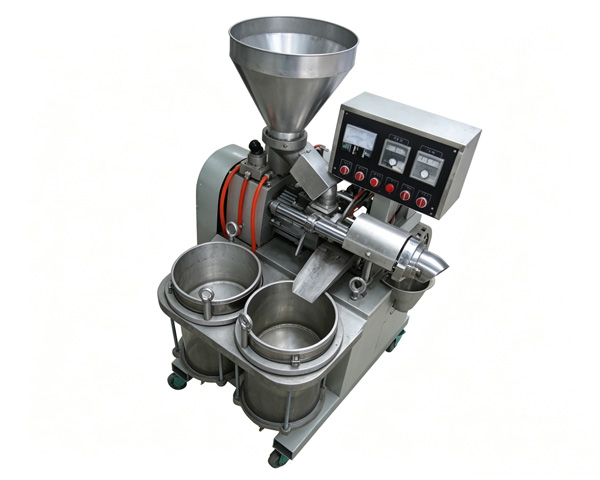
Sesame oil holds a significant position in the edible oil market due to its rich aroma and high nutritional value. Derived from nutrient-dense sesame seeds, it is packed with antioxidants, vitamin E, and healthy fats. As the food industry has evolved, modern sesame oil production has moved beyond traditional small-scale workshops and transitioned toward efficient, stable, and continuous industrial processing. A complete sesame oil making machine production line encompasses five core stages: pretreatment, cooking/roasting, pressing, refining, and packaging. This article provides a detailed breakdown of each step in the journey from raw sesame seed to finished oil, based on mainstream oil processing technology.
Step 1: Sesame Pretreatment – Cleaning and Conditioning
When raw sesame seeds arrive at the processing facility, they are mixed with various impurities such as stones, dust, plant residues, and broken seeds. These impurities not only affect the final oil quality but can also damage precision processing machinery. Therefore, the quality of the pretreatment stage directly determines the operational efficiency and service life of subsequent sesame oil making machine.
Screening and Impurity Removal
Industrial production lines are typically equipped with vibrating screens and magnetic separators to remove hard foreign objects like stones and metals. Air classifiers blow away shriveled seeds and light debris. This cleaning step effectively protects core machinery, such as the screw oil press, from wear and damage.
Washing and Moisture Conditioning
After screening, the sesame seeds undergo thorough washing in flushing tanks with clean water to remove adhering sand and soil. Once drained, the moisture content of the seeds is precisely adjusted to 8%–10%. This prevents mold growth and avoids the seeds becoming too brittle, thereby providing optimal input conditions for subsequent physical pressing equipment.
Dehulling (Optional)
To obtain higher-quality sesame oil with clearer color and better nutrient retention, some production lines utilize a dehuller. Dehulling removes the seed coat, which accounts for approximately 15%–20% of the seed weight. Common methods include wet dehulling (soaking in hot sodium hydroxide solution with agitation) and dry dehulling (using a drum dehuller, achieving up to 99% efficiency).
Step 2: Sesame Cooking and Roasting – Regulating Aroma and Oil Yield
After pretreatment, the seeds enter a critical conditioning phase. Modern oil engineering facilities typically employ vertical steam cookers for layered temperature control.
– Layer 1 (80–90°C): Uniform heating; moisture content is maintained at 12%–14%.
– Layers 2 and 3 (100–110°C): Protein denaturation occurs; moisture content drops to 8%–9%.
– Layers 4 and 5 (125–130°C): Seeds mature and develop a rich aroma; moisture content is reduced to 4%–5% prior to pressing.
Total cooking time is approximately 40–50 minutes. Precise temperature control and moisture regulation are prerequisites for achieving high oil yield in a sesame oil pressing line.
Step 3: Sesame Oil Pressing – The Core of Crude Oil Extraction
Pressing is the heart of sesame oil production. Depending on the desired product positioning, the industry primarily employs two types of sesame oil making machine: screw pressing and hydraulic pressing.
3.1 Screw Pressing Method (High-Temperature Pressing)
This is the mainstream technology for large-scale industrial production and relies on the screw oil press.
- Feeding Section: Roasted sesame seeds enter the pressing chamber, where the screw shaft advances and applies low-pressure pre-compression.
- Pressing Section: The volume of the pressing chamber decreases sharply, pressure rises to 50–100 MPa, and temperature reaches 120–130°C. Sesame oil flows out through the gaps in the pressing cage.
- Cake Discharge Section: The residue is compressed into tile-shaped cakes with a thickness of just 1.5–2 mm and a residual oil rate below 7%.
The screw pressing method offers high efficiency and large processing capacity, making it the preferred solution for establishing large-scale sesame oil mill equipment plants.
3.2 Hydraulic Pressing Method (Cold Pressing Process)
Hydraulic oil press equipment operates at low temperatures (≤60°C) and extremely high pressures of 200–350 MPa. Although the oil yield is only 40%–45%, this method maximizes the retention of natural antioxidants like sesamol and the original aroma. It is an essential piece of oil processing machinery for producing premium cold-pressed sesame oil.
Many advanced facilities now employ multi-stage pressing combination processes: primary screw pressing extracts the bulk of the oil, followed by secondary hydraulic pressing or solvent extraction to recover residual oil from the cake, thereby maximizing economic efficiency.
Step 4: Crude Sesame Oil Refining – The Transformation from Turbid to Clear
Crude oil obtained after pressing contains impurities such as phospholipids and free fatty acids (FFA). It must undergo treatment with oil refining equipment to meet edible standards.
- Filtration and Residue Removal: A plate and frame filter press or centrifuge removes solid particles larger than 50 μm.
- Degumming (Hydration): The oil is heated to 70–80°C, mixed with hot water, and passed through a centrifugal separator to reduce phospholipid content to below 0.1%.
- Neutralization (Alkali Refining): Free fatty acids are neutralized using sodium hydroxide, forming soapstock which is separated by centrifuge. This ensures the acid value meets standards (≤2 mg KOH/g).
- Bleaching and Deodorizing: Pigments are adsorbed using activated bleaching earth under vacuum conditions. Deodorization occurs at 230–250°C under high vacuum to remove volatile odor compounds, resulting in clear, bright, and neutrally flavored refined sesame oil.
Step 5: Sesame Oil Packaging and Storage
Refined sesame oil is filled into retail bottles or bulk barrels using automatic filling equipment. High-quality packaging materials effectively block light and oxygen, extending the shelf life of unopened sesame oil to 6–12 months. It is important to note that due to its high content of natural active compounds, cold-pressed sesame oil is more susceptible to oxidation and has a shorter shelf life, making light-proof and airtight packaging essential.
Choose Professional Sesame oil making machine for High-Quality Oil Engineering
From a single sesame seed to a drop of pure aroma, sesame oil production is a systematic project involving physical pressing, thermal conduction, and chemical refining. The performance of the equipment at every stage—whether cleaning and grading in pretreatment, core screw pressing and hydraulic cold pressing, or degumming and neutralization in refining—directly determines oil quality and production costs.
If you are planning or upgrading your oil processing project, selecting a mature and reliable sesame oil press production line is crucial. We specialize in oil engineering and can provide one-stop solutions ranging from process design and screw oil press selection to complete refining equipment installation.