
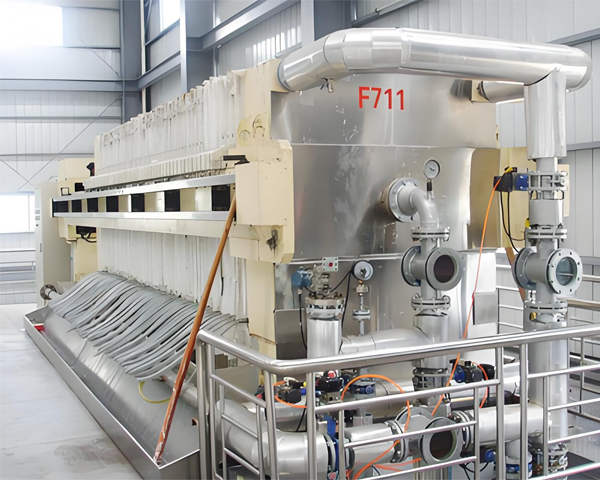
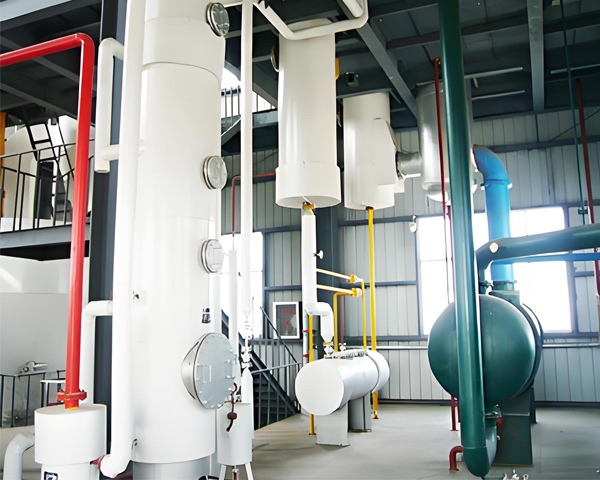
Edible oil is an essential part of our daily diet, but did you know that the journey from freshly pressed “crude oil” to the clear, pure oil on your table relies on a critical process—edible oil refining? This article provides a detailed look at the process and principles of edible oil refining, along with an introduction to efficient and reliable edible oil refining equipment, helping you better understand the modernization of oil processing.
What Is Edible Oil Refining?
Edible oil refining refers to a series of physical and chemical processes used to remove impurities, free fatty acids, pigments, odors, and other unwanted components from crude vegetable oils or animal fats, bringing them up to national edible standards. Refined oils not only taste better but are also more stable and safer for consumption.
Common refining processes include degumming, deacidification (neutralization), bleaching, deodorization, and dewaxing (winterization). Depending on production scale, edible oil refining equipment can be classified into large, medium, and small types, as well as batch-type, semi-continuous, and fully continuous systems, with daily processing capacities ranging from 1 ton to 1,000 tons, suitable for oil processing plants of various sizes.
Key Steps in Edible Oil Refining
1. Degumming
Degumming is the first step in refining, aimed at removing phospholipids and other gums from the oil. By adding water or acid, the gums are precipitated and separated from the oil, laying the foundation for subsequent processes.
2. Deacidification (Neutralization)
In this stage, an alkaline solution (typically sodium hydroxide) is used to neutralize free fatty acids in the oil, forming soapstock that is then separated. Deacidification significantly improves the oxidative stability and shelf life of the oil.
3. Bleaching
To remove unwanted pigments such as chlorophyll and carotenoids, the oil is treated with activated bleaching clay under vacuum conditions. The clay adsorbs pigments and residual impurities, resulting in a clearer, lighter-colored oil.
4. Deodorization
Deodorization removes volatile compounds responsible for unpleasant odors and tastes through steam distillation at high temperatures under high vacuum. This step ensures a neutral, odorless oil suitable for a wide range of culinary uses.
5. Winterization (Dewaxing, if applicable)
For oils prone to wax formation, such as sunflower oil or corn oil, cooling crystallizes the waxes, which are then filtered out. This prevents cloudiness and ensures the oil remains clear even at lower temperatures.
Features of Modern Edible Oil Refining Equipment
As oil processing technology continues to advance, edible oil refining equipment is evolving toward greater efficiency, energy savings, and environmental friendliness. Taking our company’s equipment as an example, key features include:
- High-Quality Materials: The equipment is primarily constructed from 304 stainless steel, meeting food-grade hygiene standards, offering corrosion resistance and rust prevention to ensure oil quality and safety.
- Comprehensive Functionality: Integrating degumming, deacidification, drying, bleaching, deodorization, and more, the equipment meets diverse refining requirements, ensuring finished oil meets national standards for peroxide value, odor, and other indicators.
- Ease of Operation: Operating data is displayed on intuitive instruments, making the equipment easy and safe to use, suitable for a wide range of oil processing enterprises.
Green Refining: The Future of the Industry
Traditional oil refining relies on high temperatures and chemical solvents, resulting in significant energy consumption. In recent years, emerging technologies such as membrane separation have been gradually applied in the oil refining sector, offering more sustainable and cost-effective alternatives. Looking ahead, as environmental standards tighten and technology advances, edible oil refining equipment will become increasingly intelligent and environmentally friendly, helping oil processors achieve high-quality, sustainable development.
Edible oil refining is a critical step in transforming raw materials into high-quality finished oils. Whether you run a small oil processing workshop or a large-scale refinery, choosing the right edible oil refining equipment is key to ensuring product quality and production efficiency. We hope this article helps you gain a comprehensive understanding of edible oil refining processes and supports your production decisions.