
Corn germ, often referred to as the “golden part” of the corn kernel, makes up only about 8% of the total kernel but contains up to 50% oil, making it the core raw material for producing high-quality corn oil. Corn germ oil is rich in saturated fatty acids, vitamin E, β-sitosterol, and other nutrients. Due to its cost-effectiveness, it is widely used as cooking oil, biodiesel, and sometimes as a base for margarine.
As global demand for vegetable oils continues to grow, mastering an efficient and stable corn germ oil extraction process has become essential for oil plants to remain competitive. This article systematically outlines the corn oil production process, with a focus on how advanced oil pressing equipment can help achieve higher oil yields and better economic results.
Corn Germ Separation Technology
The first step in corn oil production is the efficient separation of the germ from the corn kernel. There are three main methods currently in use:
1. Dry Germ Separation
This method involves no moisture adjustment and uses mechanical extrusion or impact to separate the husk, germ, and endosperm. The process is simple, consumes less energy, and produces no pollution. However, extraction efficiency is relatively low, and the germ often contains endosperm residues.
2. Wet Germ Separation
This method includes steeping, crushing, and degerminating the corn, followed by the use of a rotating liquid separator to separate the germ from the starch. Germ separation efficiency can reach 85% to 95%. However, the germ moisture content is as high as 60%, requiring drying. This method involves higher equipment investment and energy consumption.
3. Semi-Wet Germ Separation
This method adjusts the corn moisture content to 16%–20% and takes advantage of the differences in water absorption and physical properties between the germ and endosperm. Through crushing, grinding, and screening, the germ is separated. Extraction rates can exceed 85%, with the added benefits of low energy consumption, minimal pollution, lower investment costs, and a shorter payback period, making it suitable for medium-sized oil plants.
Regardless of the separation method used, the resulting corn germ moves to the oil extraction stage, where equipment selection directly impacts oil yield and quality.
Core Corn Germ Oil Extraction Processes
Currently, industrial corn germ oil production primarily uses pressing, solvent extraction, and the more recently developed aqueous enzymatic method. The first two are the most widely adopted.
1. Pressing Method: The Preferred Choice for Small to Medium-Sized Oil Plants
The pressing method is suitable for small to medium-sized operations due to its simplicity and lower initial investment. Traditional pressing typically extracts only 15%–20% of the oil from the germ, but hot pressing can significantly improve efficiency.
At this stage, our corn germ oil press machine features a reinforced screw pressing structure capable of achieving pressures above 69 MPa. After pressing, the residual oil rate in the cake is controlled at 6%–7%, and moisture content is reduced to 3%–4%, ensuring maximum oil release. The equipment is easy to operate, stable, and suitable for a wide range of oilseeds, including corn germ, peanuts, sunflower seeds, and rapeseed, making it an ideal choice for small to medium-sized oil plants looking to boost production capacity.
2. Solvent Extraction Method: An Efficient Solution for Large-Scale Oil Plants
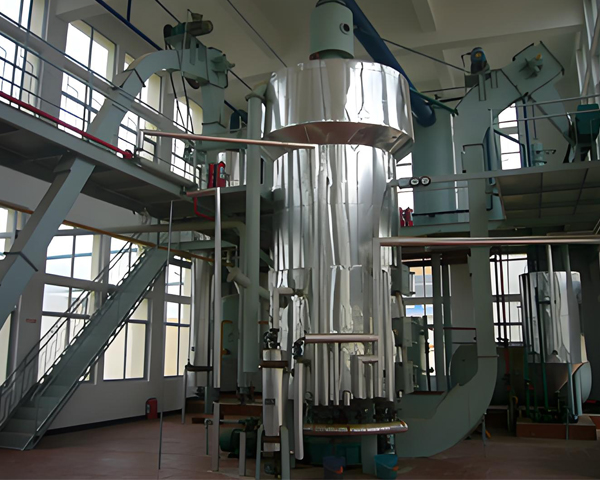
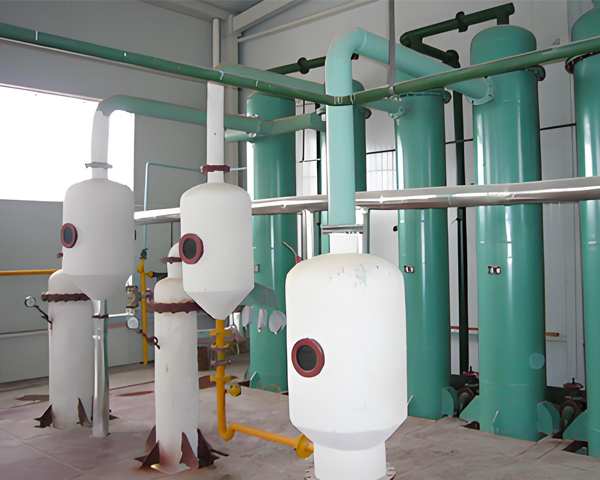
For large-scale operations seeking maximum oil yield, solvent extraction is the preferred method. By pressing corn germ into uniform flakes with a thickness of 0.35–0.45 mm and controlling moisture content at 10%–11%, using No. 6 solvent (hexane) for extraction can achieve an oil yield of up to 97%.
This process includes extraction, evaporation, and solvent recovery, with a high degree of automation suitable for large-scale production. We offer complete corn oil production lines, covering everything from germ pretreatment and pressing to extraction and refining, tailored to meet the needs of oil plants of various scales.
3. Aqueous Enzymatic Method: An Emerging Green Technology
The aqueous enzymatic method uses a mixture of water and enzymes to extract oil from plant materials. As an environmentally friendly oil extraction technology, it is gradually being adopted in the production of high-end vegetable oils and holds promising potential for future development.
Refining Process: The Key to Improving Oil Quality
Whether obtained by pressing or solvent extraction, crude oil must undergo refining to become high-quality corn oil suitable for the market. The refining process typically includes:
– Degumming: Removal of phospholipids and gums
– Deacidification: Reduction of free fatty acids
– Decolorization: Use of activated carbon or other materials to remove pigments
– Deodorization: Steam treatment to eliminate odors
A well-designed refining system not only improves the oil’s color, flavor, and stability but also extends its shelf life, making it an essential component of a high-standard corn oil processing facility.
4. Why Choose Our Oil Press Equipment?
With years of experience in the oil processing equipment industry, we offer a full range of solutions covering germ separation, pressing, extraction, and refining. Our equipment stands out for the following advantages:
– Wide Application: Suitable not only for corn germ but also for dozens of other oilseeds, including mustard seeds, rapeseed, soybeans, peanuts, sunflower seeds, and more
– High Oil Yield: Combined pressing and extraction processes can achieve oil yields of up to 97%
– Ease of Operation: Optimized design, user-friendly interface, and low maintenance costs
– Flexible Investment Options: From single presses to complete production lines, we offer customized solutions to suit different investment scales
Corn germ oil has become an important product in the global vegetable oil market due to its nutritional value and cost advantages. Mastering scientific germ separation techniques and efficient oil extraction processes is key to enhancing the competitiveness of any oil plant. Whether you are a small or medium-sized operation or a large-scale producer, choosing the right corn germ oil press equipment will provide a solid foundation for improving production efficiency and oil quality.