
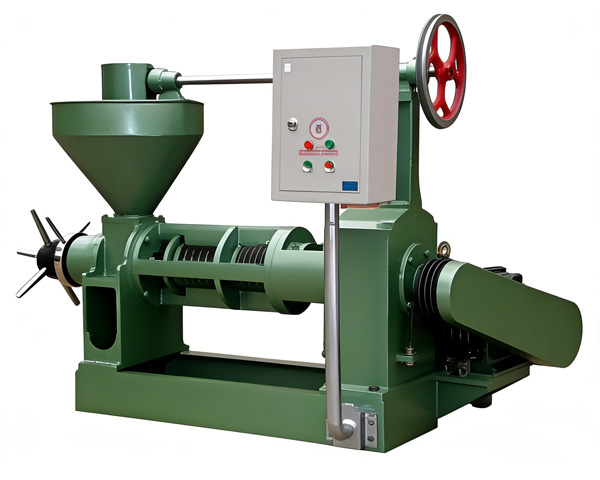
Soybeans are not only an excellent source of plant-based protein, but their high oil content—ranging from 17% to 25%—also makes them one of the world’s primary oilseed crops. Soybean oil, rich in Vitamins A and D, is highly esteemed in the international edible oil market. Given the sustained demand for healthy oils, establishing a soybean oil processing plant is undoubtedly a promising investment venture. However, for investors, the selection of a soybean oil expeller directly determines production efficiency and long-term profitability. This article, based on the latest industry data, provides an in-depth analysis of the key factors affecting soybean oil expeller price and offers professional guidance on equipment selection.
What is a Soybean Oil Expeller? Comparison of Pressing vs. Solvent Extraction
Before diving into the price analysis, investors must understand the two mainstream methods of soybean oil extraction, as they correspond to distinctly different equipment configurations.
1. Screw Soybean Oil Expeller (Mechanical Pressing Method)
This is the most common physical pressing equipment, primarily composed of a screw shaft, pressing cage, and feeder. Its working principle involves mechanically squeezing the oil out of the soybeans.
– Application Scenario: Small-scale oil mills, workshop-style production.
– Advantages: Pressed oil is physically refined without chemical solvent residue, holding high recognition in the global premium oil market and aligning with health consumption trends.
– Limitations: The residual oil content in the pressed cake is relatively high.
2. Soybean Solvent Extraction Equipment (Extraction Method)
This equipment mainly consists of a solvent tank and extractor. It utilizes the principle of oil dissolving in organic solvents, extracting the oil by immersing the soybean material.
– Application Scenario: Medium to large-scale oil processing enterprises.
– Advantages: Extremely high oil extraction efficiency with a daily processing capacity reaching thousands of tons, offering significant economies of scale.
– Limitations: The initial equipment investment is substantial, and the crude extracted oil requires strict refining processes.
Soybean Oil Expeller Price Range and Capacity Configuration
Different capacities and automation levels determine the final investment budget. Below are the equipment configurations and price reference ranges based on varying daily processing capacities:
| Daily Processing Capacity | Core Equipment Configuration | Reference Price Range (USD) | Target User |
| 1 – 10 tons/day | Single screw oil press, simple filtration device | 6,800 – 55,000 | New entrants, farm supporting facilities, small oil workshops |
| 10 – 50 tons/day | Roaster, conveyor, pre-press machine, plate filter, filling machine | 15,000 – 75,000 | Small to medium refineries, private label edible oil manufacturers |
| Over 50 tons/day | Cleaner, softener, flaking mill, cooker, complete solvent extraction plant | Over $110,000 | Large oil groups, large-scale continuous production |
*Note: The above prices are for reference only; actual quotations may vary based on material quality and customization level.*
Six Key Factors Affecting Soybean Oil Expeller Price
Understanding the following variables will help you communicate more effectively with manufacturers before requesting a quote:
1. Equipment Material and Quality
Material is a significant differentiator in pricing. High-quality stainless steel oil press equipment offers strong corrosion resistance, complies with international food safety standards, and has a long service life. While the initial cost is higher, maintenance costs are minimal. In contrast, ordinary carbon steel equipment is cheaper but prone to corrosion from oil residue, leading to higher frequency and cost of replacing oil expeller spare parts.
2. Capacity and Daily Processing Volume
The higher the capacity, the larger the equipment volume and motor power, causing the price to rise exponentially. The investment gap between a 5-ton/day small oil press and a 100-ton/day soybean oil production line can differ by dozens of times.
3. Degree of Automation
The choice between fully automatic or semi-automatic directly impacts labor costs. While the purchase price of highly automated automatic oil press machines is higher, they significantly reduce the number of operators and lower long-term operational expenses. Low-automation equipment relies more heavily on the experience of skilled workers.
4. Adaptability to Oilseed Varieties
Although designed for soybeans, many multi-functional oilseed pressing equipment models can also process high-oil-content crops like peanuts and rapeseeds. Equipment with multi-purpose functionality often features more complex structural designs, resulting in a slightly higher price than single-function models.
5. Logistics and Installation Costs
Small equipment typically uses standard logistics transportation. However, large soybean pretreatment equipment and solvent extraction plants require specialized heavy-haul transport, as well as on-site lifting, welding, and commissioning. These hidden costs should not be overlooked.
6. Durability of Core Components
The quality of wear parts such as pressing worms, cage bars, and bearings determines equipment downtime frequency. The production losses incurred from frequent replacement of low-quality spare parts often far exceed the initial savings made on the equipment purchase.
Hidden Costs Investors Should Not Ignore
Beyond the equipment purchase price, the following points will directly impact your return on investment (ROI):
– Energy Consumption: Always request actual operational oil press energy consumption data from the supplier. Efficient motors and rational transmission designs can save substantial electricity costs annually.
– Land and Plant Planning: The factory location must balance raw material sourcing radius and finished oil transportation convenience. Oil mill factory layout planning must reserve adequate space for operation and warehousing.
– Comprehensive After-Sales Service: Choosing a manufacturer that offers oil press installation training and 24-hour technical support is crucial. For instance, reputable industry suppliers like KMEC provide on-site commissioning, operation manuals, and personnel training to ensure your production line starts up quickly.
How to Choose Cost-Effective Soybean Oil Extraction Equipment
1. Define Your Production Positioning: Do you plan to produce “cold-pressed/hot-pressed oil” marketed for health benefits, or “solvent-extracted crude oil” aimed at maximizing yield? This will determine whether you select physical pressing equipment or chemical extraction equipment.
2. Calculate Total Lifecycle Cost: Do not focus solely on the quotation sheet. Calculate maintenance costs, spare parts consumption, and electricity expenses over a 5-year period.
3. Select a Reputable Manufacturer: Prioritize oil machinery suppliers with proven case studies and export experience. Equipment from reliable manufacturers (such as KMEC) offers greater assurance in terms of operational stability, energy efficiency, and service life.
Investing in soybean oil processing is a long-term and stable business, and a suitable soybean oil extraction machine is the core engine of this venture. Whether you plan to build a small community oil workshop or a modern large-scale refinery, a deep understanding of equipment cost composition and technical parameters is the cornerstone of success.
If you are planning to start your soybean oil project and would like a detailed oil expeller quotation proposal, please feel free to contact us. Our engineering team will customize the most cost-effective oil processing solutions based on your budget and capacity requirements.