
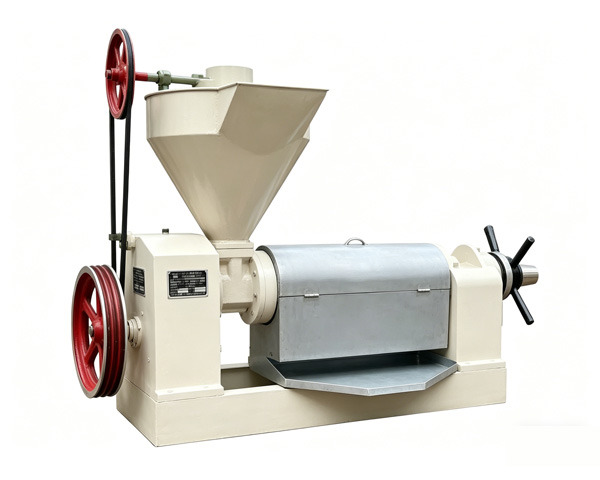
A well-maintained palm oil press machine not only produces high-quality palm oil consistently but also reduces repair costs and unexpected downtime from the source. However, the high silica content in palm fiber and humid processing environments subject every piece of oil equipment in a palm oil pressing line to harsh conditions. As a manufacturer deeply rooted in the oil processing equipment field, this article shares eight core, field-proven maintenance tips to help keep your palm oil processing equipment in optimal condition for the long term.
1. Thorough Cleaning After Every Pressing Cycle
Cleaning is the foundation for extending the life of any oil press machine. After each use, always disconnect the power, then use a soft brush and mild detergent to clean the pressing chamber, press worm, and all components that come into contact with palm fruit. Pay special attention to crevices and corners where residue tends to accumulate — leftover pulp and oil will corrode metal and become a hidden threat of clogging during the next startup. Rinse thoroughly, dry completely, and then reassemble. Regular cleaning also helps you spot early damage such as cracks or excessive rust, allowing you to schedule oil press repair promptly and prevent small issues from escalating into major failures.
2. Precise Lubrication to Prevent Friction Overheating
Lubrication is the lifeblood of a screw oil press running smoothly. Moving parts such as gears, bearings, and chains must be maintained according to the lubricant type and intervals recommended in the manufacturer’s manual. Over-lubrication attracts dust and debris, worsening abrasive wear; insufficient lubrication directly leads to frictional heating and premature component failure. During daily inspections, if leaks or abnormal noises are detected, stop the machine immediately to check the lubrication system. For supporting oil refining equipment and other driven machinery, a strict lubrication log must also be established.
3. Lay a Solid Foundation: Ensure Correct Machine Installation
The installation quality of a palm oil press machine directly determines its operational life. The machine body must be placed on a flat, solid, level surface to eliminate extra stress caused by vibration. Align all components strictly according to the manufacturer’s instructions, and properly connect the electrical and drive systems. If experienced technicians are not available on site, it is advisable to hire a professional team for installation — starting correctly is far more economical than correcting deviations later.
4. Control Raw Material Quality and Keep Foreign Objects Out of the Pressing Chamber
The quality of palm fruit entering the press directly affects the wear rate of oil press spare parts. Stones, metal pieces, or even excessive moisture mixed into low-quality fruit bunches will cause severe impact on the press worm, bushings, and pressing cage. Before feeding, carefully sort and wash the fresh fruit bunches to remove foreign objects and control moisture content. High moisture not only accelerates internal corrosion but also reduces oil extraction efficiency, impairing the production performance of the entire oil processing plant equipment.
5. Establish a Maintenance Schedule and Conduct Regular “Check-ups”
Creating and strictly adhering to a maintenance plan covering visual inspections and functional tests is key to preventing problems before they occur. During visual inspections, focus on bolt tightness, belt/chain tension, and the wear condition of oil press spare parts. During functional tests, monitor whether the pressure gauge readings, temperature, and rotational speed are within normal ranges. Any abnormality — such as a sudden drop in oil output, unusual noises, or severe vibration — should prompt an immediate shutdown for troubleshooting, preventing the faulty operation from damaging the entire hydraulic system and drive chain.
6. Train Operators and Make Standardized Practice a Habit
Even the best equipment requires competent operators. You should provide systematic training for each operator, covering start-up and shutdown procedures, parameter adjustment for different oilseed types, emergency shutdown protocols, and basic cleaning and lubrication skills. Encourage frontline staff to proactively report minor anomalies — this is the lowest-cost early warning mechanism for oil equipment management. Well-trained operators will care for your palm oil press machine like their own tools.
7. Replace Worn Parts Promptly and Keep Genuine Spare Parts in Stock
Even with proper maintenance, oil press spare parts such as press worms, cone sleeves, scrapers, and seal rings will gradually reach the end of their service life. Maintaining a necessary inventory of genuine spare parts and replacing them as soon as excessive wear is detected can prevent localized damage from spreading into a main machine failure. Never use mismatched substitute parts — the material and heat treatment processes of genuine parts are specifically designed for palm oil operating conditions. (Further reading: For other press types, such as the hydraulic oil press or cold press machine, their spare parts replacement cycles differ; you can also refer to the maintenance guides for the corresponding machine models.)
8. Control the Operating Environment: Protect from Sun, Rain, and Dust
The hot, humid, and dusty conditions prevalent in major palm oil-producing regions like West Africa and Southeast Asia accelerate equipment rusting and electrical component aging. Whenever possible, palm oil processing equipment should be installed inside a sheltered workshop to avoid direct sunlight and rain exposure. Use protective covers during idle periods; in high-humidity areas, consider deploying a dehumidifier; in dusty environments, install air filters and clean them regularly. This creates a mild “micro-climate” for the equipment to operate in.
Extending the service life of a palm oil press machine is not achieved through a single overhaul, but through the daily accumulation of cleaning, lubrication, inspection, and standardized operation. Once you solidify these methods into a daily routine, you will find equipment failure rates drop significantly, and the production efficiency and oil quality of the entire oil processing plant equipment will rise to a new level. If you encounter any practical issues during equipment maintenance, feel free to contact [KMEC] — our engineering team is always ready to provide technical support and spare parts solutions.