
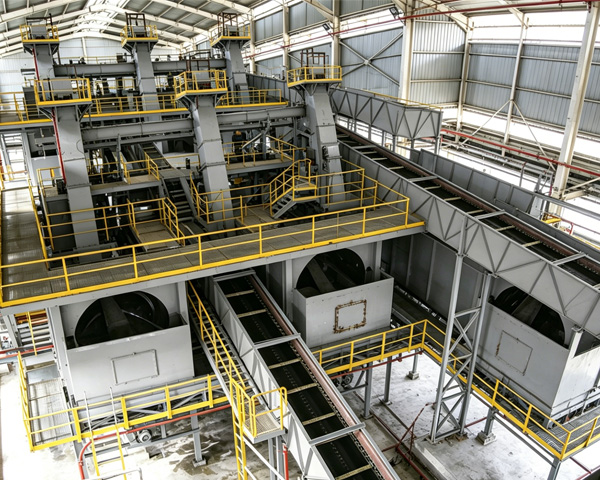
Ghana is an important agricultural country in West Africa, but it has long faced a shortage of palm oil. Data shows that in 2014 alone, Ghana imported nearly 250,000 tonnes of palm oil from Southeast Asia, worth over US$175 million. This huge market gap means: investing in a palm oil processing plant in Ghana is an unprecedented opportunity.
However, many investors are not familiar with the process and cost of building a palm oil processing plant. This article will walk you through the five key factors to consider when setting up a palm oil processing plant in Ghana, and introduce efficient and reliable palm oil processing equipment to help you seize the market opportunity.
I. Choosing the Right Plant Location
The plant location directly affects raw material supply and logistics costs. Priority should be given to:
– Good transport links: Close to major roads or ports, making it easy to source fresh palm fruits from surrounding areas and to ship out finished oil.
– Sufficient land space: Depending on the plant scale, reserve enough land for production workshops, raw material yards, finished product warehouses and office areas.
– Proximity to raw material sources: Short transport distances keep palm fruits fresh and improve oil yield.
If you are unsure how to plan your plant layout, we can provide professional factory design and equipment layout solutions to ensure an efficient and smooth production flow.
II. Setting a Realistic Budget
The plant construction budget mainly consists of three parts:
1. Land rental or purchase cost: Land prices vary considerably across different regions of Ghana – choose flexibly according to your target capacity.
2. Palm oil processing equipment cost: This is the core of the investment. Equipment prices vary depending on capacity and automation level.
3. Staff salaries and working capital: Including pay for operators, maintenance staff and management, as well as daily expenses such as utilities and maintenance.
Only after clarifying your budget can you accurately match the most suitable equipment scale and process route.
III. Selecting Advanced Palm Oil Processing Equipment
A set of efficient and durable palm oil processing equipment is the foundation of a profitable plant. We provide a complete range of equipment from fresh fruit bunches to crude palm oil. Key equipment includes:
| Equipment Name | Function |
| Palm fruit sterilizer | High‑temperature steam treatment to soften fruit bunches, inactivate enzymes, and improve oil yield |
| Palm fruit thresher (simple / drum type) | Separates fruits from empty bunches; empty bunches can be used as fuel or organic fertiliser |
| Palm fruit cooker | Further softens fruits, breaks down colloidal structure to facilitate pressing |
| Twin screw palm oil press | Core pressing equipment; twin‑screw design provides continuous high pressure for low residual oil |
| Palm oil filter (vibrating screen + clarifier + plate filter) | Multi‑stage filtration to remove oil residue and fine impurities |
| Palm oil dryer | Reduces moisture content to prevent hydrolytic rancidity |
| Palm oil storage tank | Temporary storage of crude oil; available in carbon steel or stainless steel |
Our equipment advantages:
– ✅ High extraction rate: Field‑tested to keep residual oil in the cake below 5% – far above industry average.
– ✅ Durable construction: Key components use high‑quality steel, suitable for long‑term continuous operation.
– ✅ Flexible capacity: We offer small to medium lines (1–5 tonnes/hour, priced US$10,000–30,000) and large lines (over US$150,000).
– ✅ Globally proven: Exported to more than 90 countries with numerous positive customer reviews.
IV. Finding a Stable Customer Base
A steady sales channel is essential for continuous operation. In Ghana, the customer base for palm oil is very broad:
– Retailers: Market vendors, supermarkets, grocery stores
– Food processors: Fried food workshops, bakeries, instant noodle factories
– Cosmetics & daily chemical companies: Soap and cosmetic manufacturers
– Household consumers: Local residents using palm oil for everyday cooking
Marketing suggestions:
– Use social media (Facebook, WhatsApp) and Google Ads for online promotion.
– Expand your reach through word‑of‑mouth marketing and partnerships (e.g., local food associations).
– Advertise in local newspapers and on the radio to cover traditional channels.
V. Understanding Ghana Government Policies
The Ghanaian government attaches great importance to the development of the palm oil industry. The Palm Oil Development Association has repeatedly called for stronger policy support, and the government has responded by offering subsidies and facilitative measures for palm oil producers.
Before investing, it is recommended that you:
– Consult the local agricultural department or investment promotion centre to learn about the latest tax incentives, loan support and other policies.
– Pay attention to national strategic projects such as the “One District, One Factory” initiative and try to be included in government support programmes.
– Establish contact with local palm oil associations to obtain industry information and policy updates.
Understanding the policies not only reduces upfront costs but also helps secure more resources for long‑term operation.
VI. Success Stories & Our Services
To date, our palm oil processing equipment has been successfully exported to more than 90 countries, including many in Africa. We not only supply single machines but also offer turnkey plant solutions:
– Process design & equipment selection
– Plant layout & civil works guidance
– Equipment installation & commissioning
– Operator training & after‑sales maintenance
Whether you plan to build a small oil press of a few tonnes per day or a medium‑to‑large palm oil mill in Ghana, we can provide you with a cost‑effective one‑stop solution.
The palm oil market in Ghana is undersupplied – now is the right time to invest. As long as you choose the right location, set a reasonable budget, purchase efficient equipment, secure a sales channel and make good use of government policies, your palm oil processing plant can become profitable quickly.
If you have any further questions about setting up a palm oil processing plant in Ghana, or need a specific equipment quotation and project proposal, please feel free to contact us. We will provide you with a free initial consultation and a detailed return‑on‑investment analysis.
Take action now and seize the golden window of opportunity in the Ghanaian palm oil market!