
In many parts of Africa, palm oil processing was (and in some remote areas still is) a time‑consuming, labour‑intensive, and inefficient manual operation. A few iron pots, a machete, and a wooden barrel – that was the entirety of traditional palm oil processing “equipment.”
But times are changing. With the introduction of modern palm oil processing equipment, Africa’s palm oil industry is undergoing a profound transformation. Studies show that traditional processing methods achieve oil extraction rates of only 25%–35%, while modern machinery can recover up to 75% of the available oil. At every stage – sterilization, threshing, pressing, and filtration – mechanization is rewriting the standards of efficiency and quality.
This article takes you into the past and present of African palm oil processing, comparing traditional and modern methods across four core stages – sterilization, threshing, pressing, and filtration – and shows how a single palm oil expeller can transform an entire industry.
I. Sterilization: From Iron Pot Boiling to Steam Sterilizer
Traditional method: In the past, people placed fresh fruit bunches directly into iron pots filled with boiling water. With water boiling at only 100°C, sterilization temperatures were low and processing times long. Not only was this labour‑intensive, but it also failed to effectively deactivate lipase enzymes, leading to rising free fatty acid levels and declining oil quality.
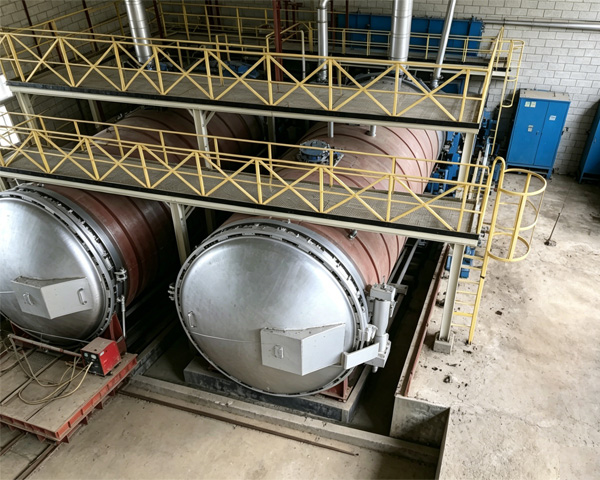
Modern method: Today’s palm fruit sterilizer uses high‑temperature steam at over 145°C, rapidly eliminating harmful bacteria and enzymes. Steam sterilization not only reduces free fatty acid content and protects oil quality, but also softens the fruit bunches, making subsequent threshing much easier. Sterilizers are available in horizontal and vertical designs, with capacities ranging from hundreds of kilograms to dozens of tonnes.
Efficiency comparison: Traditional boiling of a batch of fruit bunches takes hours; a modern palm fruit sterilizer can process the same volume in just a few dozen minutes, while delivering significantly better oil quality.
II. Threshing: From Hand‑Picking to Mechanized Threshing
Traditional method: In the past, workers manually removed palm fruits one by one from the bunches. A single bunch weighing 10–25 kg contains 1,000–3,000 individual fruits. Manual threshing was not only time‑consuming but often caused fruit damage, increasing the risk of oil oxidation.
Modern method: The palm fruit thresher (drum‑type thresher) uses powerful vibration or rotation to separate fruits from the bunch efficiently. A single thresher can process 1–2 tonnes per hour or more – equivalent to a full day’s work of 10 manual labourers.
Efficiency comparison: One person threshing by hand can only process a few dozen kilograms per day; a palm fruit thresher can thresh several tonnes of fruit bunches in just one hour, with higher fruit integrity and lower losses.
III. Pressing: From Manual Squeezing to Screw Press
Traditional method: Traditional manual pressing methods varied – some used stone mortars to crush the fruit before hand‑squeezing, others used wooden presses for slow extraction. These methods not only gave low oil yields but also required immense physical labour, with one worker producing only a tiny amount per day.
Modern method: The palm oil expeller (screw press) is the core equipment of modern palm oil processing. Through continuous rotation of a screw shaft generating high pressure (up to 200,000 kPa), it efficiently extracts oil from the palm fruit flesh. Capacities range from 500 kg/hour to 15 tonnes/hour, and large production lines can reach 30–120 tonnes/hour. Residual oil in the pressed cake can be controlled below 5%.
Efficiency comparison: Manual pressing yields only a few kilograms of oil per day; a single screw palm oil press can produce hundreds of kilograms or even tonnes of crude palm oil per hour.
IV. Filtration: From Settling Clarification to Multi‑Stage Filtration Systems
Traditional method: In the past, crude palm oil was poured into iron drums and left to settle for days, allowing impurities to sink to the bottom. Workers then manually scooped the clear oil from the top. This method was not only time‑consuming but also left many impurities in the oil, resulting in a cloudy product with a short shelf life.
Modern method: Modern palm oil filtration systems typically use multi‑stage filtration – vibrating screens remove large particles, clarification tanks perform primary settling, and plate‑and‑frame filter presses or leaf filters achieve fine solid‑liquid separation through filter cloth. The resulting palm oil is clear, transparent, and of significantly higher quality.
Efficiency comparison: Traditional settling takes days; modern palm oil filtration equipment completes the process in just a few dozen minutes, producing oil with far greater purity.
V. Mechanization Transformation: The Data Tells the Story
| Comparison Metric | Traditional Manual Methods | Modern Mechanical Equipment |
| Oil yield | 25%–35% | Over 70%–75% |
| Sterilization time | Several hours (boiling) | Dozens of minutes (steam) |
| Threshing efficiency | Dozens of kg/person/day | 1–2 tonnes/hour per machine |
| Pressing efficiency | Extremely low | 500 kg – 15 tonnes/hour |
| Oil quality | Impure, prone to rancidity | Clear, stable, long shelf life |
| Labour intensity | Extremely high | Significantly reduced |
In West African countries like Nigeria, traditional manual processing still accounts for a significant share, but semi‑mechanized methods are spreading rapidly. More and more smallholders and small‑scale entrepreneurs are realizing that introducing modern palm oil processing equipment is not just about increasing output – it is also the key to improving oil quality and accessing larger markets.
VI. How to Start Upgrading Your Palm Oil Processing Operation?
If you are involved in palm oil processing in Africa or planning to enter the industry, here are some practical suggestions:
– Start with key equipment: If your budget is limited, prioritize purchasing a palm fruit sterilizer and a palm oil expeller – these two machines deliver the most significant improvements in oil yield and quality.
– Choose the right scale for your needs: Smallholders can opt for a 500 kg/hour screw press; medium‑sized processors can choose 1–5 tonnes/hour lines; large investors can plan fully automated plants of 10 tonnes/hour or more.
– Pay attention to after‑sales service: Palm oil processing equipment requires professional installation, commissioning, and maintenance support.
African palm oil processing is undergoing a historic leap from the “iron pot era” to the “steam era.” While traditional methods carry generations of wisdom, they can no longer meet the demands of modern markets for volume, quality, and efficiency. The palm fruit sterilizer, thresher, screw press, and filtration system – each piece of modern palm oil processing equipment – is helping African processors achieve higher returns with lower inputs.
If you are considering upgrading your palm oil processing operation or planning to build a new palm oil mill, please contact us. We offer complete solutions from single machines to turnkey plants. Our engineering team can tailor the most suitable equipment configuration based on your capacity needs and budget.
Contact us today – bring your palm oil processing into the modern era!