
Palm oil is the world’s highest-yielding and most traded vegetable oil. With growing demand from the food, cosmetics, and biodiesel industries, investing in a palm oil mill has become a popular choice for entrepreneurs and investors. However, building a mill is not a simple task – it requires systematic planning and thorough preparation.
This article outlines the five essential elements you must consider when building a palm oil mill and introduces the key palm oil pressing equipment to help you take the first step toward success.
I. Sufficient Capital: Scale Determines Budget
Adequate capital is the primary requirement. The investment amount mainly depends on the scale of the palm oil mill you plan to build:
– Small palm oil mill (processing 1-5 tonnes of fresh fruit bunches per day): equipment investment approximately USD 10,000–30,000; total budget (including land, building, labour) about USD 30,000–80,000.
– Medium palm oil mill (processing 10-30 tonnes per day): equipment investment approximately USD 50,000–150,000; total budget about USD 150,000–300,000.
– Large palm oil mill (processing over 50 tonnes per day): equipment investment from hundreds of thousands to millions of USD, requiring a professional team.
In addition to equipment purchase, you need to budget for land lease, plant construction, raw material procurement, staff salaries, and working capital. It is advisable to prepare a detailed investment budget and return analysis before starting.
II. High-Quality Raw Materials: Good Fruit Produces Good Oil
The quality and yield of palm oil are directly related to the quality of fresh fruit bunches (FFB). Different oil palm varieties have significantly different oil content. Generally, ripe FFBs have higher oil content, while unripe or overripe fruits reduce oil yield and quality.
Key points for raw material selection:
– Choose high-yielding oil palm varieties (e.g., Tenera)
– Ensure FFBs are fresh and processed within 24 hours of harvesting
– Avoid mixing in too many unripe or rotten fruits
A stable raw material supply is the foundation for continuous operation. If you own the plantation, raw material costs are more controllable; if you purchase externally, establish long‑term relationships with nearby plantations.
III. Suitable Site: Close to Raw Materials, Lower Costs
Site selection directly affects logistics costs and production efficiency. The best location is inside or near a palm plantation for the following reasons:
– Maintain freshness: FFBs must be processed as soon as possible after harvesting; otherwise, free fatty acids rise, affecting oil quality.
– Save transport costs: FFBs have high water content and are heavy; long‑distance transport is expensive.
– Easy by‑product handling: Empty fruit bunches, fibres, and shells can be returned to the field or used as boiler fuel, reducing transport.
Additionally, the site needs a stable supply of water and electricity (or a backup generator), as well as convenient transport links for shipping out finished oil.
IV. High-Quality Equipment: Core Productivity
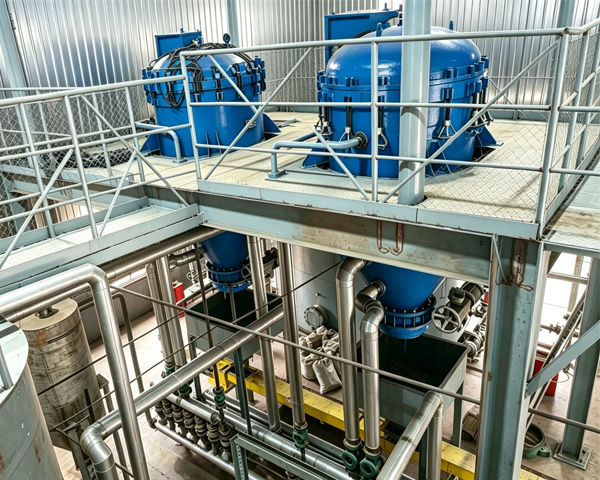
The quality and technology level of palm oil pressing equipment directly determine oil yield, oil quality, and mill operating efficiency. A complete set of palm oil processing equipment typically includes:
| Equipment Name | Function |
| Palm fruit sterilizer (sterilisation tank) | High‑temperature steam treatment to soften bunches and inactivate enzymes |
| Palm fruit thresher | Separates fruits from empty bunches |
| Palm fruit cooker | Further softens fruits to facilitate pressing |
| Twin‑screw palm oil press | Core pressing equipment, continuous high‑pressure extraction of crude oil |
| Palm oil filter (vibrating screen + clarifier + plate filter) | Multi‑stage filtration to remove impurities |
| Palm oil dryer | Reduces moisture to prevent rancidity |
| Palm oil storage tank | Temporary storage of crude oil |
Equipment selection advice:
– Small mill: Choose a single palm oil expeller (screw press) + simple filtration unit.
– Medium mill: Recommended configuration includes steriliser, thresher, twin‑screw press, filter, and dryer.
– Large mill: Additionally need a solvent extraction system (to process press cake) and refining equipment (degumming, deacidification, bleaching, deodorisation).
With over ten years of experience in palm oil equipment manufacturing, we offer one‑stop solutions from single machines to complete plants. Our equipment uses high‑quality steel, achieves residual oil below 5%, and has been exported to major palm oil producing regions in Africa, Southeast Asia, and South America.
V. Sales Market: Products Need a Destination
Once palm oil is produced, you must have a stable sales channel. The main uses of palm oil are:
– Food industry: Frying oil, margarine, shortening, ice cream, instant noodles, etc.
– Cosmetics and daily chemicals: Soap, detergents, cosmetics, shampoo.
– Industrial energy: Biodiesel, lubricants.
Before investing, it is advisable to research local and regional market demand:
– Are there large food processing plants or oil chemical factories?
– Do local residents habitually consume palm oil?
– Can you export to other countries or regions?
Ways to build sales channels: sign long‑term supply agreements with food factories, open retail outlets, distribute through wholesalers, or use cross‑border e‑commerce for export.
VI. Our Services: Full Support from Planning to Production
We are not only a palm oil pressing equipment manufacturer but also provide complete turnkey plant services:
– ✅ Project planning: Provide mill layout design, equipment list, and investment return analysis based on your budget and capacity requirements.
– ✅ Equipment supply: Full range including steriliser, thresher, cooker, twin‑screw press, filter, dryer, storage tanks, etc.
– ✅ Installation & commissioning: Send engineers on‑site to guide installation and commissioning.
– ✅ Operator training: Provide comprehensive operation and maintenance training for your workers.
– ✅ After‑sales support: Spare parts supply, remote technical support, and regular follow‑up visits.
Whether you plan to build a mill in Nigeria, Ghana, Côte d’Ivoire, Indonesia, Malaysia, or other palm oil producing regions, we already have successful cases you can refer to.
Building a palm oil mill is a systematic project that requires simultaneously addressing the five essential elements: capital, raw materials, site, equipment, and market. Among these, palm oil processing equipment is the core of production efficiency. Choosing reliable, well‑proven equipment will help your mill become profitable faster and operate more steadily.
If you are planning to build a palm oil mill, please contact us. We will provide you with a free preliminary consultation, equipment quotation, and project proposal to help you start your palm oil business with ease.
Contact us today and seize the opportunity in the palm oil market!