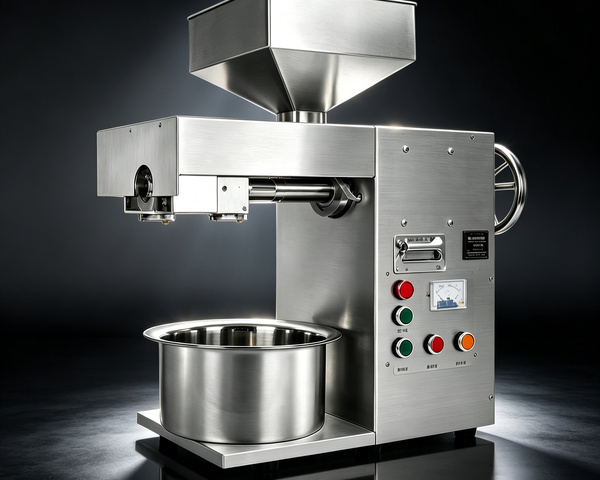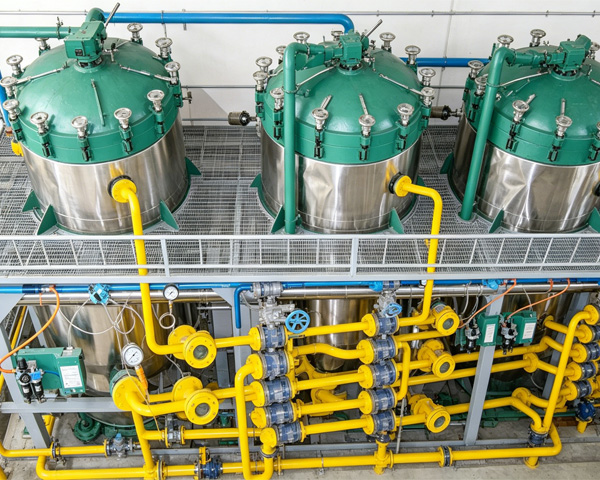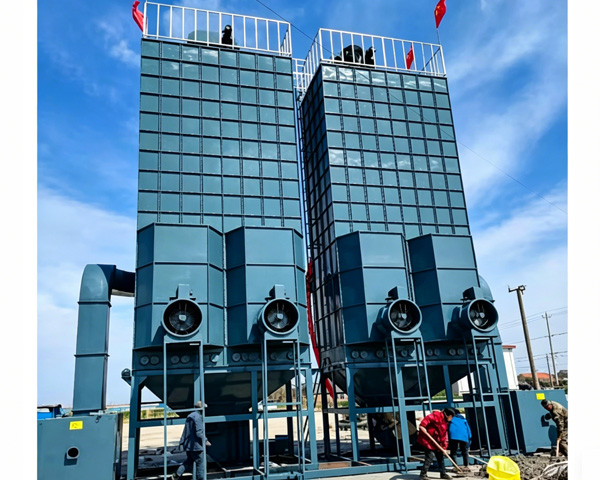
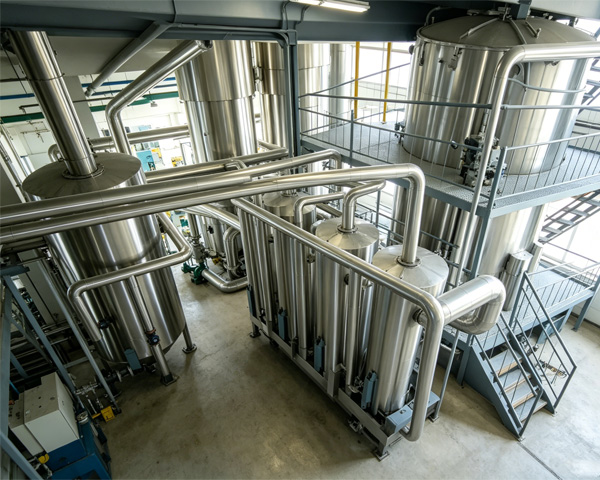
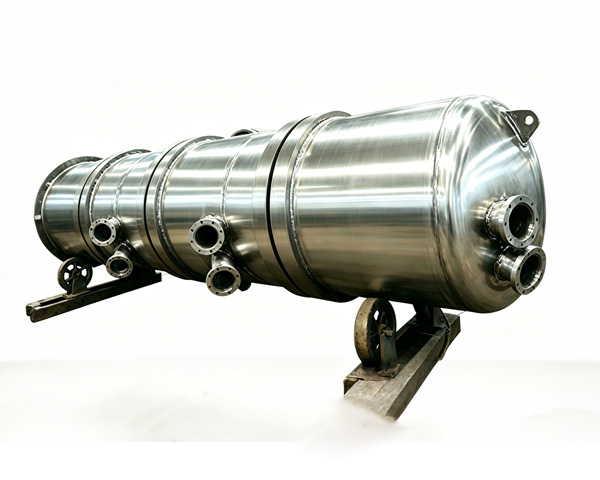
In the edible oil refining process, deodorization is the final and most critical step. It directly determines the flavour, smell, stability and shelf life of the finished oil. Whether you produce soybean oil, rapeseed oil, sunflower oil, corn germ oil or rice bran oil, a set of efficient and reliable edible oil deodorization equipment is essential to ensure that your product meets international edible standards.
This article will comprehensively analyse the deodorizer tower and its auxiliary systems from the aspects of deodorization methods, process types, core operations and equipment advantages, helping you choose the most suitable refining solution for your plant.
I. What is Edible Oil Deodorization?
The main purpose of edible oil deodorization is to remove residual free fatty acids (FFA) , odour compounds, peroxides and other volatile components from refined oil. These substances affect the taste and smell of the oil and accelerate oxidative rancidity.
The most widely adopted industrial deodorization method is steam distillation (also known as steam stripping deodorization). It uses high temperature and high vacuum, together with stripping steam, to carry volatile odour compounds out of the oil, after which they are condensed and removed.
II. Three Main Process Types of Deodorization Equipment
Depending on production scale and the frequency of oil type changes, deodorization equipment is divided into batch, semi-continuous and continuous types.
1. Batch Deodorizer Tank
– Application: Small-scale refineries that process many different oil types frequently.
– Advantages: Simple equipment, low investment, flexible operation.
– Disadvantages: High steam consumption, difficult heat recovery.
– Core equipment: Batch deodorizer tank, vacuum system, fatty acid trap.
2. Semi‑Continuous Deodorizer Tower
– Application: Medium‑scale plants that need automation and change oil types relatively frequently.
– Features: Composed of multiple batch operating units, it can achieve “batch‑like continuous” production with a high degree of automation.
– Core equipment: Semi‑continuous deodorizer tower, PLC control system, multi‑stage heat exchangers.
3. Continuous Deodorizer Tower
– Application: Large‑scale continuous refineries that process a fixed oil type in high volume.
– Advantages: Lowest energy consumption, low steam usage, high heat recovery efficiency, stable finished oil quality.
– Core equipment: Continuous deodorizer tower, high‑efficiency packing, vacuum ejectors, oil‑to‑oil heat exchangers.
> Selection advice: If you are a small or medium‑sized oil mill processing many different oils, choose batch or semi‑continuous. If you are a large refinery with stable output, a continuous deodorizer tower will give you the best economic benefits.
III. Core Operational Steps of the Deodorization Process
1. Deodorization Pretreatment
Before entering the deodorizer tower, the oil must undergo degumming, deacidification and bleaching to ensure good deodorization results.
2. Steam Stripping Deodorization
This is the core step of deodorization. The oil is heated in the deodorizer tower to 230–250°C, and under vacuum (typically below 2 mbar), dry stripping steam is introduced. The steam intimately contacts the oil, carrying away FFA, aldehydes, ketones and other volatiles, which then go to the fatty acid recovery system for condensation and collection.
3. Fatty Acid Recovery and Heat Recovery
– Fatty acid recovery: A scrubber or condenser is connected to the exhaust line to recover deodorizer distillate (containing free fatty acids, vitamin E, etc.), turning waste into value.
– Heat recovery: The deodorized oil leaving the tower is very hot. An oil‑to‑oil heat exchanger transfers heat from the hot finished oil to the incoming cold oil, saving more than 40% of fuel.
4. Cooling and Filtration
After heat exchange, the deodorized oil must be water‑cooled to below 70°C before it can be exposed to air and filtered, finally producing clear, odour‑free finished oil.
5. Vacuum System Operation
A stable and reliable vacuum system is critical for deodorization. Steam ejectors or multi‑stage vacuum pump sets are commonly used. The driving steam pressure must be checked regularly to ensure a stable vacuum level.
IV. Core Advantages of Our Deodorization Equipment
✅ Superior Oil Quality
– Achieves neutral taste and odour, with FFA content below 0.05%, meeting international refined oil standards.
✅ High Energy Efficiency
– Equipped with a heat exchanger network to minimise steam and cooling water consumption, saving 50%–70% steam compared to conventional equipment.
✅ Optimised Operating Costs
– Efficient stripping process reduces steam usage; a robust vacuum system ensures low energy consumption.
✅ High‑Quality Materials
– All oil‑contact parts are made of stainless steel 304/316L, corrosion‑resistant and non‑contaminating.
✅ Fatty Acid Recovery
– Provides an efficient fatty acid condensation system to convert distillate into valuable by‑products (e.g., tocopherols, phytosterols).
✅ Full Automation Control
– PLC control system precisely monitors temperature, vacuum level and steam flow, ensuring stable production and reducing manual labour.
✅ Turnkey Solutions
– We supply not only deodorizer towers but also complete edible oil refining production lines, including degumming, bleaching, deodorization and fatty acid recovery.
V. Structure and Process Features of Our Deodorizer Tower
Our deodorizer tower uses stainless steel structured corrugated packing and has the following outstanding features:
– Extremely large specific surface area: Greatly increases contact area between steam and oil, achieving very high mass transfer efficiency.
– Short residence time: Oil stays in the tower for a short time, effectively reducing trans fatty acid formation and preserving natural oil quality.
– Thermal bleaching: At deodorization temperatures, unstable pigments such as carotenes are thermally decomposed, achieving thermal bleaching.
– Physical deacidification: Physical deacidification can be performed simultaneously during deodorization, with no wastewater discharge – environmentally friendly and efficient.
– Compact structure: Small footprint, low construction and installation costs, easy to maintain and transport.
VI. Why Is Deodorization the Last Step in Refining?
Deodorization not only removes odours but also:
– Decomposes peroxides, improving oxidative stability.
– Partially removes tocopherols (depending on process conditions).
– Improves oil colour through thermal bleaching.
Often, finished oil is blended from two or more oil bases. To minimise handling and storage of the oil, it is common practice to blend before deodorization rather than after.
VII. Choose Us to Upgrade Your Oil Refining Process
Whether you need a small batch deodorizer tank or a large continuous deodorizer tower, we can provide the most suitable customised solution. Our engineering team will design the optimal refining deodorization system based on your capacity, oil types and budget.
Contact us today for a free consultation and quotation!