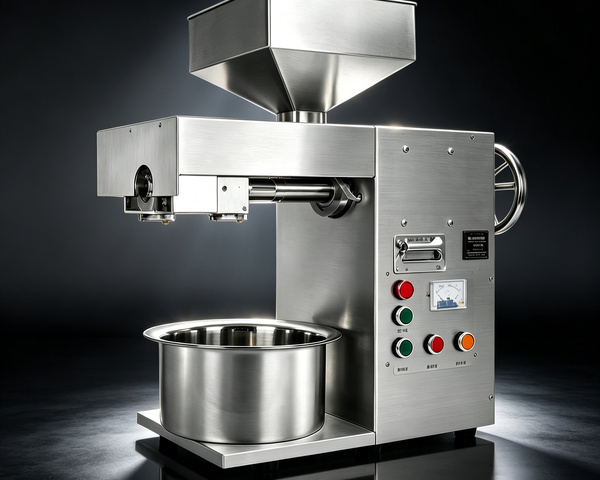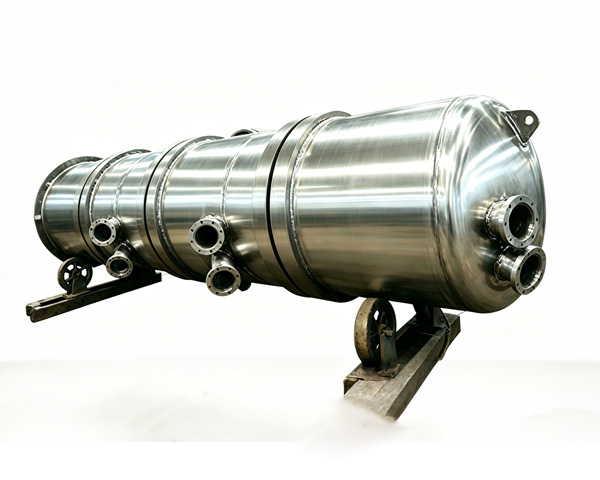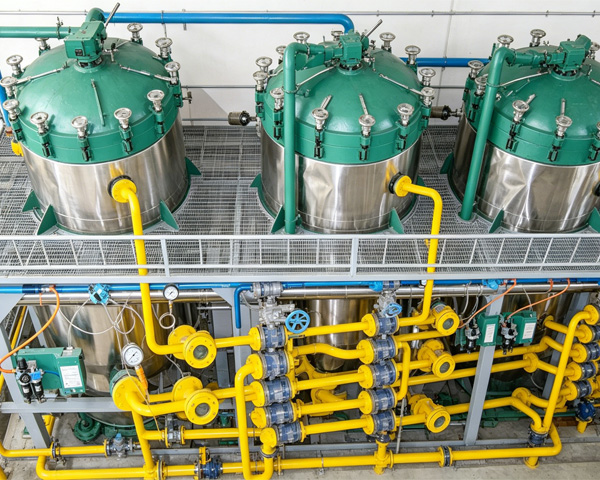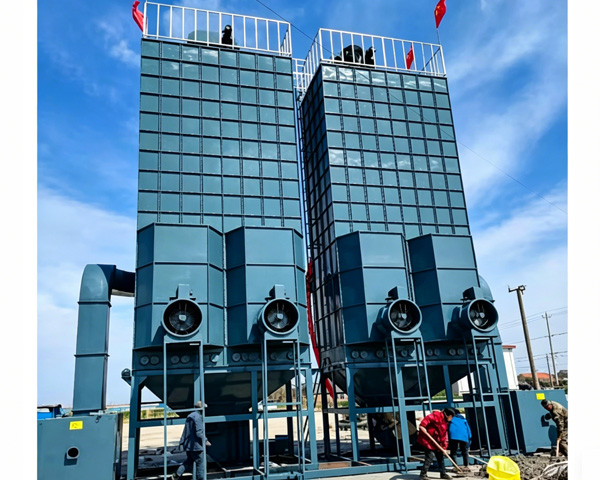
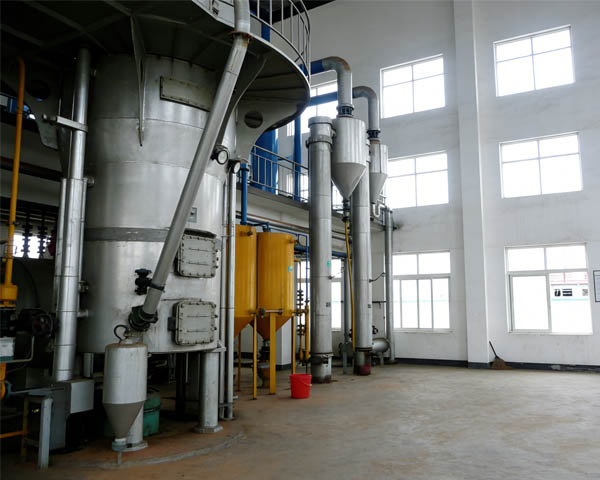
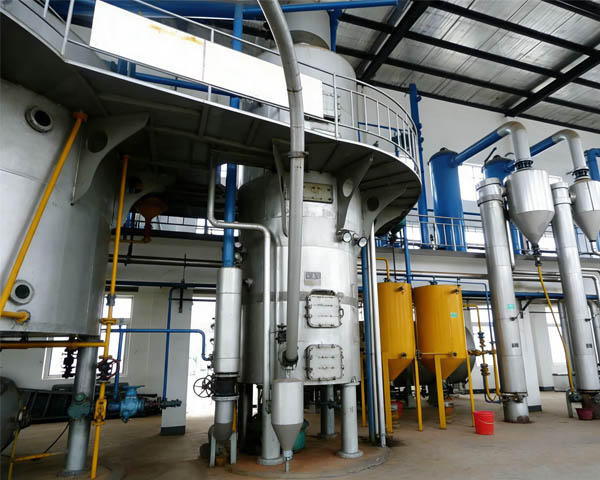
Soybean oil refining equipment is the core machinery in vegetable oil refining processing, used to convert crude soybean oil obtained through pressing or solvent extraction into refined edible oil that meets national standards. Through processes such as degumming, deacidification, bleaching, and deodorization, the equipment effectively removes impurities such as phospholipids, free fatty acids, pigments, odors, and harmful substances from crude oil, while retaining natural nutrients like vitamin E, linoleic acid, and linolenic acid, significantly enhancing the oil’s quality, stability, and commercial value.
KMEC’s soybean oil refining production line covers multiple processes including mechanical refining, chemical refining, and physico-chemical refining, and can be flexibly configured based on raw material characteristics, production capacity, and finished oil standards. It is widely applicable for small to medium-sized oil plants and large-scale oil and fat processing enterprises.
Why Is Soybean Oil Refining Necessary?
Crude soybean oil contains phospholipids, free fatty acids, gums, pigments, odorous substances, and trace harmful components. Direct consumption not only affects taste and flavor but may also pose health risks. The purpose of refining is not to remove all impurities, but to selectively remove harmful substances while retaining beneficial components, thereby:
- Improving oxidative stability and extending shelf life
- Enhancing color and odor to meet consumer preferences
- Removing potentially harmful substances (such as gossypol and gums)
- Increasing the market value of the oil and boosting enterprise profits
Process Flow of Soybean Oil Refining
- Degumming (Hydration Degumming)
Degumming is the first step in refining, primarily removing gelatinous impurities such as phospholipids, proteins, and carbohydrates from crude oil. By adding hot water at a certain temperature to the oil, phospholipids absorb water, swell, and aggregate, and are then removed by centrifugal separation. Degumming effectively reduces loss in subsequent processes and improves the refining yield.
2. Alkali Refining Deacidification
Crude oil typically contains a certain amount of free fatty acids, which affect flavor and stability. In the alkali refining process, an alkaline solution (such as NaOH) is added to the oil to neutralize free fatty acids, forming soapstock while also adsorbing some pigments and gums, which are then removed by centrifugal separation. This process effectively reduces the acid value of the oil, achieving deacidification.
3. Bleaching
The color of oils mainly comes from natural pigments such as chlorophyll and carotenoids. The bleaching process utilizes the adsorptive properties of activated clay or activated carbon under vacuum conditions to remove pigments, residual soapstock, and metal ions, resulting in clear and transparent oil. The vacuum environment prevents oil oxidation and ensures bleaching effectiveness.
4.Deodorization
Different oils have varying “odors,” primarily derived from volatile substances such as low-molecular-weight fatty acids, aldehydes, and ketones. Deodorization uses the principle of high temperature, high vacuum, and steam distillation to volatilize odorous components along with steam, thereby obtaining odorless and tasteless refined oil. Deodorization also further enhances oil stability and removes harmful substances such as pesticide residues.
Features and Advantages of KMEC Soybean Oil Refining Equipment
- Modular Design: Degumming, deacidification, bleaching, and deodorization can be independently combined to adapt to different raw materials and process requirements
- Efficient Separation: Utilizes high-quality components such as disc stack centrifuges and plate heat exchangers, either imported or domestic, ensuring high separation efficiency and low oil loss
- Energy Saving and Environmental Protection: Heat recovery systems reduce steam consumption, vacuum systems are stable and reliable, minimizing wastewater discharge
- Automated Control: PLC touch screen control monitors temperature, pressure, and flow rate in real time, ensuring easy operation and stable process conditions
- High-Quality Materials: All parts in contact with oil are made of 304 stainless steel, corrosion-resistant, and compliant with food hygiene standards
- Flexible Capacity: Offers a full range of equipment with daily processing capacities from 1 ton to 500 tons, meeting the needs of small oil mills to large-scale refineries
Applications
- Soybean oil refining production lines
- Refining of vegetable oils such as rapeseed oil, sunflower seed oil, and peanut oil
- New construction or expansion projects of edible oil processing plants
- Supporting facilities for oleochemical enterprises
Why Choose Us?
- Professional Experience: Over 20 years of experience in designing and manufacturing oil equipment, serving 300+ clients globally
- Turnkey Service: Provides one-stop solutions from process design, equipment manufacturing, installation and commissioning to personnel training
- Quality Assurance: ISO9001 certified, key components from internationally renowned brands, complete machine warranty for 12 months
- After-Sales Support: 24-hour remote response, quick dispatch of technical personnel for online or video service, long-term spare parts supply