
Soybean oil is one of the most consumed vegetable oils in the world, and its market continues to grow. For clients interested in investing in soybean oil production, the most common question is: How much does it really cost?
The start-up cost for soybean oil production is not a fixed number; it is influenced by many factors. Generally, the total investment can be measured from four aspects: raw material cost, plant land cost, soybean oil production equipment cost, and plant operating cost. This article breaks down each of these to help you make a clearer investment budget.
I. Raw Material Cost
Soybeans are the main raw material for soybean oil production. Raw material cost is one of the most important factors affecting total investment, and its price varies by region, quality, market supply/demand, and policies.
– Self‑grown vs. external purchase: If you own land and grow your own soybeans, the raw material cost is relatively controllable; otherwise, you need to purchase from local or other suppliers, and the price follows the market.
– Quality impact: Soybeans with a higher oil content may have a higher unit price, but their oil yield is also higher, so the raw material cost per unit of oil may actually be lower.
– Price fluctuation: Soybean prices are affected by exchange rates, stock markets, international commodity markets, and local agricultural subsidy policies. It is advisable to conduct thorough market research before investing.
> Tip: You can contact local agricultural departments or traders for the latest raw material prices, or follow soybean price trends on the Chicago Board of Trade (CBOT).
II. Plant Land Cost
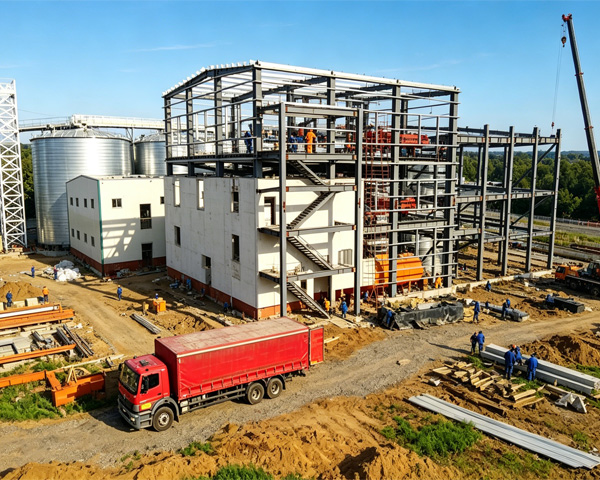
To start soybean oil production, you need a suitable piece of land. The cost of plant land depends on whether you lease or purchase, as well as the location and size.
– Lease vs. purchase: Leasing requires lower upfront investment, suitable for small or trial operations; purchasing land has a higher one‑time cost, but the asset may appreciate, making it more cost‑effective in the long run.
– Space requirements: A small soybean oil plant may need only a few hundred square metres, while a large plant including raw material warehouse, production workshop, finished product storage, and office area may need several thousand square metres.
– Location factors: Land near raw material sources or with convenient transportation is usually more expensive, but can save on logistics costs.
If you are unsure how much land you need or how to plan the layout, you can contact a professional oil equipment supplier (e.g., DOING Company). Their engineering team can provide free site planning and layout solutions.
III. Soybean Oil Production Equipment Cost
Equipment cost is the core expenditure in a soybean oil plant investment, ranging roughly from $2,000 to $950,000. The exact amount is affected by the following factors:
– Processing capacity: From a few tens of kilograms per hour for home use to tens of tonnes per day for industrial use – larger capacity means higher equipment prices.
– Automation level: Fully automatic production lines (PLC controlled) are more expensive than semi‑automatic or manual equipment, but labor costs are lower.
– Equipment configuration: Buying just one screw oil press may cost only a few thousand dollars; a complete line including cleaning, pressing, extraction, refining, and filling can cost several hundred thousand dollars.
– Process choice: The pure pressing method requires lower equipment investment than the “pre‑pressing + solvent extraction” combination, but the latter has a much higher oil yield (up to 97%) and better long‑term returns.
> Equipment cost includes not only the main machines (e.g., oil press, extractor, refining equipment) but also auxiliary facilities such as conveyors, tanks, piping, and electrical control systems. It is recommended to request detailed quotations from multiple equipment suppliers and compare configurations and after‑sales service.
IV. Soybean Oil Plant Operating Cost
Operating costs are ongoing expenses after the plant starts production, mainly including labor and power consumption.
1. Labor Cost
– Staffing: Usually requires two shifts of operators, as well as quality control, maintenance, and management personnel. The larger the plant, the more employees needed.
– Skill level: Experienced skilled workers command higher wages, but they improve production efficiency and equipment reliability. A small plant may need only 2‑3 people, while a large plant may need dozens.
2. Power Consumption Cost
– Installed power: Depending on the equipment configuration, the total power of a soybean oil production line is approximately 4‑50 kW/hour. Small pressing lines consume less power; large extraction + refining lines consume more.
– Electricity cost calculation: Multiply the total power by the local electricity rate, then by the expected operating hours, to estimate the monthly electricity cost.
3. Other Operating Expenses
– Water, steam, compressed air (if required by the process)
– Consumables: filter cloth, activated bleaching earth, solvent (for extraction method), packaging materials, etc.
– Maintenance and spare parts: regular replacement of wear parts, preventive maintenance
– Transportation and warehousing: logistics costs for raw material intake and finished product dispatch
V. Investment Overview for Different Scales of Soybean Oil Plants
Although specific costs vary by project, the following reference ranges can help you quickly position your investment:
| Scale Type | Daily Processing Capacity | Equipment Investment Range | Land & Building | Working Capital (3 months) |
| Micro / Home | 10‑50 kg | $2,000 – $10,000 | Own or rent small space | < $1,000 |
| Small Commercial | 0.5‑5 tonnes | $10,000 – $50,000 | Rent 200‑500 m² | $2,000 – $5,000 |
| Medium Plant | 5‑20 tonnes | $50,000 – $200,000 | Rent or buy 500‑1000 m² | $10,000 – $30,000 |
| Large Industrial | 20‑100+ tonnes | $200,000 – $950,000+ | Buy 1000‑5000 m² | $50,000+ |
> Note: The above are estimates; actual investment must be calculated in detail based on local conditions.
VI. How to Prepare an Investment Budget for a Soybean Oil Plant
To accurately estimate the start‑up cost of a soybean oil production business, it is recommended to follow these steps:
1. Define your target market and output: First decide whether the product will be for self‑use, local sales, or export, and then determine the plant scale accordingly.
2. Research raw material supply and prices: Visit local soybean suppliers to obtain price trends for the last six months.
3. Obtain equipment quotations: Contact at least three equipment manufacturers, provide your capacity and process requirements, and request detailed quotations (including freight, installation, training).
4. Calculate land and construction costs: Consult local real estate agents or government offices for industrial land rental or purchase prices, and construction cost per square metre.
5. Estimate operating cash flow: List monthly fixed expenses (wages, electricity, consumables, maintenance) and prepare 3‑6 months of working capital.
The cost of investing in soybean oil production ranges from a few thousand dollars to nearly one million dollars, depending mainly on your scale positioning, equipment configuration, and local market conditions. The four major costs – raw materials, plant, equipment, and operation – are interlinked and require thorough research and calculation before investment.
If you need more specific quotations for soybean oil production equipment, plant layout drawings, or investment analysis reports, please feel free to contact us. We provide free initial consultation and cost estimation services to help you start your soybean oil production business with the most reasonable investment.