
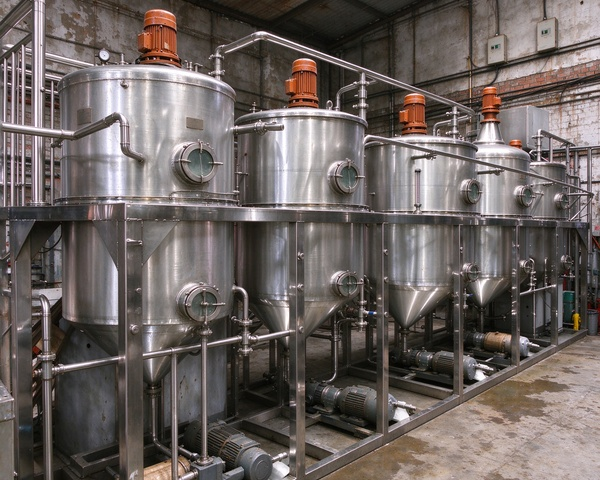
A Set of Lab Data That Redefines the “Cold Pressed Is Healthier” Debate
The comparison between cold pressed and refined oil is often simplified in consumer discussions into a binary of “natural” versus “processed.” But peer-reviewed research paints a more precise picture.
Take canola oil as an example: the refining process (not the pressing temperature) caused a sharp decline in phytosterols and tocopherols; hot pressing actually produced higher total phenol content and antioxidant activity than cold pressing; however, phenolics and antioxidant capacity dropped significantly after refining. This data reveals a key fact: the destruction of micronutrients during refining is far greater than the impact of pressing temperature.
Another study provides more precise quantification: refining causes total tocopherol losses of 10%–36%, total sterol losses of 6%–52%, and polyphenol losses of 93%–98%. In soybean and sunflower oils, phenolic acids were not detected after refining.
For equipment buyers, this means: your investment decisions in cold press machines and refining lines directly determine the nutritional positioning and market price tier of your end products. KMEC has over two decades of experience in oil processing equipment. This article examines the equipment decision from four dimensions: quantified nutrient loss data, the impact of equipment parameters on oil yield, an equipment selection decision framework, and phased investment strategy.
1. Nutrient Loss: How Much Does Refining Actually Destroy?
Vitamin E (Tocopherol) Loss
Refining causes total tocopherol losses of 10%–36%. An industrial refining study on sunflower and rapeseed oil provides more detailed stage-by-stage data: degumming causes 6.6%–8.4% tocopherol loss, bleaching causes 14.9%–17.4% loss, physical deodorization causes 20.2%–27.1% loss, and total tocopherol loss across the entire refining process reaches 39.0%–45.5%. Winterization is the mildest step, causing only 2.9%–5.8% tocopherol loss.
This means: if your goal is to produce end products with high vitamin E content (such as functional edible oils or dietary supplement base oils), the refining process will directly erode your product’s selling point.
Phytosterol and Polyphenol Loss
Refining causes total sterol losses of 6%–52%. Polyphenol loss is the most severe—reaching 93%–98%. Polyphenols are important antioxidant components in cold pressed oil, with anti-inflammatory and antioxidant properties.
After refining, polyphenol content is nearly zero, meaning refined oil loses most of its natural antioxidant capacity. To compensate for this loss, refined oils typically require added synthetic antioxidants or vitamin E.
Nutritional Retention Advantages of Cold Pressed Oil
Cold pressing uses no heat or chemical treatment, preserving higher concentrations of bioactive compounds, including natural antioxidants, phytosterols, phospholipids, tocopherols, and phenolic compounds. Cold pressed canola oil stands out for its phenolic acid content, with sinapic acid reaching 236.1 µg/100 g, and this extract also showed the best antioxidant performance.
Nutritional Comparison Matrix
| Indicator | Cold Pressed Oil | Refined Oil |
|---|---|---|
| Vitamin E retention | Fully retained | 10%–36% loss |
| Phytosterol retention | Fully retained | 6%–52% loss |
| Polyphenol retention | Fully retained | 93%–98% loss |
| Fatty acid composition | Unchanged | Unchanged |
| Solvent residue | None | Possible trace residue |
| Synthetic additives | None | May contain antioxidants |
2. Equipment Parameters: How Screw Speed Determines Oil Yield
Screw Speed Is the Most Important Parameter Affecting Oil Yield
Among the operating parameters of a cold press machine, the most influential factor on oil yield is not temperature—it is screw speed. A peer-reviewed study explicitly states: in mechanical screw pressing, the most important parameter affecting oil yield is screw speed, followed by extraction temperature and seed preheating.
Higher screw speeds have a significant negative impact on oil yield—in both preheated and non-preheated samples. The combination for highest oil yield is: lowest screw speed + preheated seeds + higher extraction temperature.
The Impact of Extraction Temperature
Extraction temperature is positively correlated with oil yield: higher temperatures can achieve higher yields, with increases of up to 23%. However, temperatures above 60°C may affect the retention of heat-sensitive nutrients. Cold pressing requires pressing temperature to be strictly controlled below 49°C.
The Impact of Nozzle Diameter
Smaller nozzle diameters (such as 4 mm) typically achieve higher oil output. Research shows that a 4 mm nozzle produces higher oil yield than larger nozzle specifications.
These parameters mean: a qualified cold press machine must have a variable-speed screw drive, precise temperature control system, and replaceable nozzle components to flexibly switch between different oilseeds and optimize oil yield.
Refining: Four Steps, Layer by Layer
Refining typically includes four core steps: degumming, neutralization, bleaching, and deodorization. Each step improves oil stability while removing a portion of natural active compounds. The deodorization step (260°C under vacuum) is the main stage for tocopherol and polyphenol loss.
3. Smoke Point and Cooking Applicability
The smoke point is the lowest temperature at which an oil begins to produce visible smoke. Beyond the smoke point, the oil begins to decompose, releasing free radicals and potentially harmful compounds.
Cold pressed oils typically have smoke points between 150°C and 190°C, while refined oils exceed 200°C, with some reaching above 230°C. Refining raises the smoke point by removing free fatty acids, proteins, phospholipids, and pigments. This makes refined oil ideal for high-temperature cooking (frying, baking, grilling) and large-scale food production. Cold pressed oil is better suited for dressings, low-temperature cooking, or use as a finishing oil.
Equipment decision implication: If you plan to serve fast-food chains or large-scale food processing clients, a refining line is necessary. If your target market is premium retail, health foods, or cosmetics, cold press equipment is the better match.
4. Equipment Selection Decision Framework
| Dimension | Cold Press Machine | Refining Line |
|---|---|---|
| Investment scale | Lower | Higher ($200,000–$350,000+) |
| Operational complexity | Low | High |
| Nutrient retention | High | Medium-Low |
| Smoke point | 150–190°C | 200–250°C |
| Shelf life | ~2 months (after opening) | ~6 months (after opening) |
| Best application | Premium retail, cosmetics | Large-scale food production, frying |
| Key parameters | Screw speed, temperature control precision, nozzle specs | Deodorization temperature, vacuum level, bleaching clay dosage |
Cold Pressed Oil Applications in Cosmetics
Cold pressed oils have broad applications in cosmetics and personal care, primarily because cold pressing preserves intact fatty acids and vitamins, making the oils gentle and nourishing.
Argan oil is rich in fatty acids and vitamins, promoting skin hydration and elasticity, and is commonly used in hair serums, facial oils, and lotions. Cold pressed coconut oil is rich and moisturizing, with hair-strengthening properties, often used in hair care products.
For processors planning to enter the cosmetic ingredient market, the temperature control precision of cold press equipment (must be below 50°C) and hygienic design are two core selection criteria.
5. Phased Investment: Start with Cold Pressing, Add Refining Capacity Gradually
Why Phased Investment Fits the Cold Press/Refining Decision
For investors with limited capital or unproven markets, committing to both cold press and refining lines upfront creates significant cash flow pressure. The core idea of phased investment: start with cold press equipment to produce premium cold pressed oil, validate the market and channels, then decide whether to add refining capacity once cash flow turns positive.
Three-Stage Equipment Configuration
Stage 1: Cold Pressed Production (1–5 TPD). Configure cleaning, crushing, cold press machine, and filtration equipment. Position products as premium cold pressed oil for health food retail, specialty dining, or cosmetic ingredient markets. Equipment investment threshold is low; the core goal is building brand awareness and channel relationships.
Stage 2: Category Expansion (5–20 TPD). Add multi-feedstock adaptability (changing nozzles and adjusting screw speed) to cover peanuts, sesame, flaxseed, walnuts, and other oilseeds. At this stage, consider adding plate-and-frame filtration or vacuum filtration equipment to improve oil clarity.
Stage 3: Refining Capacity Addition (20+ TPD). If the business model requires serving both premium cold pressed and mass-market refined oil segments, add a refining module on top of the cold press line. KMEC’s modular design allows cold press and refining equipment to share upstream cleaning and crushing processes, reducing duplicate investment.
Pre-Purchase Checklist
- Confirm the cold press machine’s temperature control precision can consistently stay below 50°C (the compliance baseline for the “cold pressed” label)
- Confirm the adjustable screw speed range to accommodate different oilseed pressing needs
- Confirm nozzle specifications are replaceable—this is key for multi-product processing
- Confirm the refining line’s deodorization temperature is controllable (260°C under vacuum)
- Verify all oil-contact components meet food-grade material standards
- Evaluate whether cold pressed oil’s shelf life after opening (~2 months) matches the target market’s logistics cycle
- Calculate the target price difference between cold pressed and refined oil to assess investment return
6. FAQ
Q1: Is cold pressed oil always healthier than refined oil?
From a nutrient retention perspective, cold pressed oil retains more vitamin E, phytosterols, and polyphenols. Research shows refining causes total tocopherol losses of 10%–36%, total sterol losses of 6%–52%, and polyphenol losses of 93%–98%. But “healthier” depends on the use case: cold pressed oil is suitable for dressings and low-temperature cooking, while refined oil is better for high-temperature frying.
Q2: How much nutrient loss occurs during refining?
Refining causes vitamin E losses of 10%–36%, phytosterol losses of 6%–52%, and polyphenol losses of 93%–98%. Within the refining process, deodorization is the main stage for tocopherol loss, accounting for 20.2%–27.1%. Fatty acid composition is not affected by refining.
Q3: What is the most critical parameter affecting oil yield in a cold press machine?
Screw speed is the most important parameter affecting oil yield, followed by extraction temperature and seed preheating. Higher screw speeds have a significant negative impact on oil yield. The combination for highest oil yield is: lowest screw speed + preheated seeds + higher extraction temperature.
Q4: What are the smoke points of cold pressed and refined oil?
Cold pressed oils typically have smoke points between 150°C and 190°C, while refined oils exceed 200°C, with some reaching above 230°C. Refining raises the smoke point by removing free fatty acids and impurities.
Q5: What is the investment threshold for cold press equipment?
For a 1–5 TPD small cold press line, equipment investment is approximately $7,000–$25,000. Refining line investment typically exceeds $200,000–$350,000. Phased investment is an effective strategy to reduce initial capital pressure.
Q6: Why does the cosmetics industry prefer cold pressed oils?
Cold pressing operates below 49°C, preserving intact fatty acids and vitamins, making the oils gentle and nourishing. Cold pressed oils such as argan oil and jojoba oil are widely used in skincare and hair care products.
References
- Fine, F. et al. Micronutrients in vegetable oils: The impact of crushing and refining processes on vitamins and antioxidants in sunflower, rapeseed, and soybean oils. Wiley-VCH, 2016.
- Kreps, F. et al. Influence of industrial physical refining on tocopherol, chlorophyll and beta-carotene content in sunflower and rapeseed oil. Wiley-VCH, 2014.
- Siger, A. et al. Antioxidant activity of phenolic compounds of selected cold-pressed and refined plant oils. Oilseed Crops, Vol. XXVI, 2005.
- Rincón-Cervera, M.Á. et al. Effect of refining and pressing temperature on chemical attributes of canola oil produced in Chile. FAO AGRIS, 2025.
- A review on optimization of process parameters of cold pressed oil extraction for high output and for enhanced quality and retained nutrients. Food and Humanity, Vol. 5, December 2025.
- 360iResearch. Cold Pressed Oil Market by Oil Type, Packaging, Price Tier, Application, Distribution Channel, End User — Global Forecast 2026–2032. 2026.
- PMC. Micronutrients in vegetable oils: The impact of crushing and refining processes. 2016.
For cold press machine selection advice, refining line configuration, or project feasibility assessment, contact the KMEC engineering team.