
Cotton Seed Oil Manufacturing Plant Cost: From 1 to 100 Tons/Day – A Clear Investment Overview
As the global edible oil market continues to expand, cotton seed oil has emerged as a promising segment for processors and investors alike. Whether you are building a new cotton seed oil processing plant or upgrading an existing line, understanding the cotton seed oil manufacturing plant cost and investment structure is a critical first step.
Overview of the Cotton Seed Oil Production Process
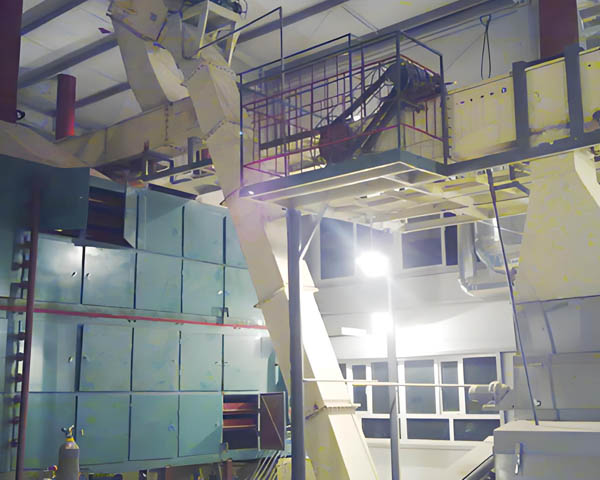
Cotton seed oil production consists of three main stages: pretreatment section, pre-pressing & solvent extraction section and refining section.
- Cotton Seed Pretreatment
- This stage includes delinting, cleaning, dehulling and kernel–shell separation, flaking, and cooking. The goal is to remove impurities and disrupt cell structures to prepare the material for subsequent pressing or extraction.
- Pre-Pressing and Solvent Extraction
- Pre-pressing: A screw press extracts a portion of the oil, producing crude oil and cotton seed cake.
- Extraction: A solvent such as n-hexane is used to reduce residual oil in the cake from approximately 12–18% to below 1%, significantly improving overall oil yield.
- Refining
- Crude cotton seed oil contains impurities such as gossypol, gums, and free fatty acids. Through degumming, neutralization, bleaching, and deodorization, the oil is refined to meet edible oil standards.
Cotton Seed Oil Manufacturing Plant Cost Reference
The cost of a complete cotton seed oil processing line varies significantly depending on capacity, equipment material, and process configuration. Typical investment ranges are summarized below.
By Production Scale (Including Plant and Facilities)
| Production Scale (T/D) | Equipment Investment | Plant & Facilities Investment | Total Investment |
| 1–10 | $100,000–300,000 | $100,000–300,000 | $200,000–600,000 |
| 10–50 | $400,000–1,500,000 | $300,000–1,000,000 | $700,000–2,500,000 |
| 50–100 | $1,500,000–3,500,000 | $1,000,000–2,500,000 | $2,500,000–6,000,000 |
Note: The above figures are estimates. Actual investment depends on factors such as equipment material, automation level, and local construction costs
How to Choose the Right Cotton Seed Oil Processing Equipment?
When determining equipment investment, consider the following key factors:
- Production Scale: Select a daily processing capacity that aligns with your raw material supply and market demand.
- Equipment Material: Stainless steel offers corrosion resistance and ease of cleaning, making it suitable for high-end or export-oriented products. Carbon steel is more cost-effective upfront, ideal for budget-conscious or startup projects.
- Process Completeness: If the goal is to produce finished edible oil, a full refining section is necessary. For semi-finished products (crude oil or meal for animal feed), downstream processes may be simplified.
- Solvent Consumption and Environmental Compliance: An efficient solvent recovery system reduces operating costs and helps meet environmental regulations.
A cotton seed oil processing project involves multiple stages—pretreatment, pre-pressing, extraction, and refining—and the cotton seed oil manufacturing plant cost varies considerably with scale and configuration. For small to mid-sized investors, a line with a daily capacity of 10 tons or less can serve as a practical entry point. For large-scale production, a complete line of 50 tons/day or more is recommended to achieve better economies of scale.
If you would like to adjust the style, add technical parameters, or include case studies, I am happy to help further.