
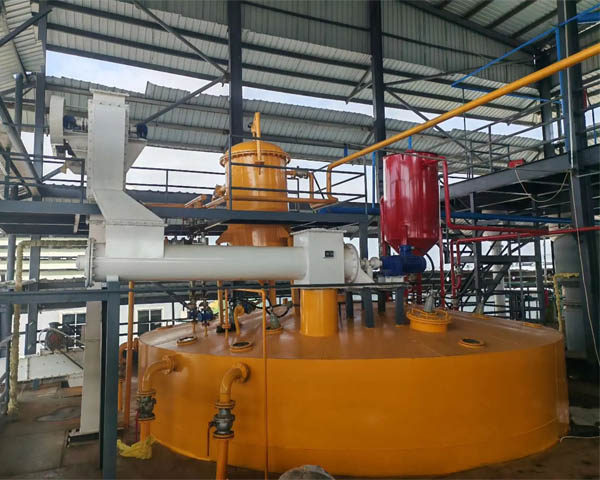
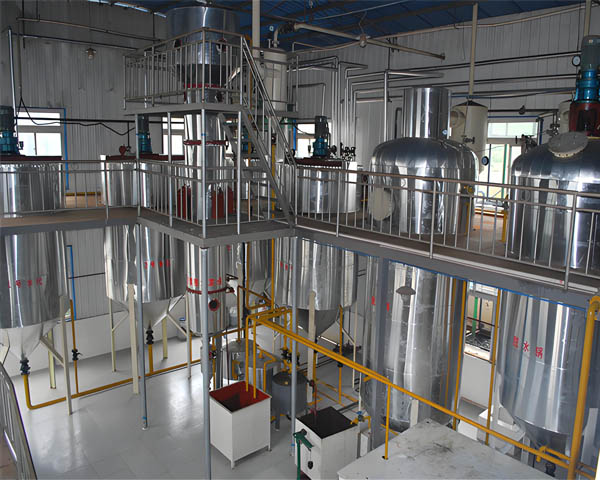
In the field of grain and oil processing, rice bran oil is often referred to as “the golden oil of rice.” Rich in bioactive compounds such as gamma-oryzanol and phytosterols, and derived from rice bran—a byproduct of rice milling—it offers significant value in terms of resource utilization. To extract oil from rice bran efficiently and with high purity, the extraction process is the most mature and highest-yielding industrial method available today. This article provides an in-depth look at the key stages of rice bran oil extraction and introduces the core equipment that ensures the process is both stable and efficient.
Pretreatment of Rice Bran: Laying the Foundation for Extraction
The rice bran oil extraction process begins with the receiving and pretreatment of rice bran. Freshly separated from rice in the milling process, rice bran has high lipase activity and is prone to rancidity if not handled promptly. Professional production lines are equipped with rice bran preservation and pretreatment equipment, which includes:
- Cleaning screens: Remove impurities such as rice husks, broken rice, and stones.
- Conditioning equipment: Uses heat and moisture adjustment to soften the cellular structure of the rice bran.
- Pelletizer: Compresses the rice bran into pellets to improve extraction efficiency.
- Dryer/cooler: Controls the temperature and moisture content of the material in preparation for extraction.
Advanced rice bran oil extraction equipment is often highly integrated with the pretreatment line, using automated control systems to ensure that the material enters the extraction stage under optimal conditions.
Extraction Section: Core Technology for Efficient Oil Recovery
The extraction section is the heart of a rice bran oil production line. It uses the solvent extraction principle to dissolve and recover oil from the rice bran pellets. This section mainly consists of the following equipment units:
- Extractor:The extractor is the main equipment, with common types including loop-type extractors and chain-type extractors. In the extractor, the rice bran pellets come into countercurrent contact with the solvent, allowing the oil to be fully dissolved to form a miscella. A high-quality sealing structure effectively reduces solvent leakage and ensures operational safety.
- Miscella Treatment System:The miscella first enters the evaporation system, where it is heated under vacuum in first-effect and second-effect evaporators to recover most of the solvent. The remaining miscella then goes to a stripping column, where live steam is used to remove residual solvent, resulting in crude oil.
- Solvent Recovery System:The evaporated solvent vapor is condensed into liquid form in a condenser and then enters a water separator to remove moisture before being returned to the solvent tank for reuse in a closed-loop system. High-quality rice bran oil extraction equipment is equipped with an energy-efficient solvent recovery unit that significantly reduces solvent consumption.
- Wet Meal Desolventizing and Drying System:The spent rice bran meal (wet meal) from extraction is processed in a desolventizer-toaster (DTDC) , where heat treatment evaporates and recovers the remaining solvent while drying the meal. The desolventized rice bran meal can be sold as a high-protein feed ingredient, enhancing the overall utilization of rice bran.
The entire extraction section operates as a closed system, with key parameters monitored from a central control room to ensure process stability and safety.
Refining of Crude Oil: From Crude Oil to High-Quality Edible Oil
The crude oil obtained from the extraction section must undergo refining to meet edible oil standards. The refining process typically includes:
- Degumming: Hot water or acid is added to precipitate gums.
- Dewaxing: Low-temperature crystallization and filtration are used to remove waxes and prevent the oil from becoming cloudy.
- Bleaching: Activated clay is used to adsorb pigments and residual impurities.
- Deodorization: Steam distillation is carried out under high temperature and vacuum to remove off-flavors and free fatty acids.
The refining section is seamlessly connected to the extraction section, and modern production lines are often designed as an integrated rice bran oil extraction equipment system, covering everything from raw material to finished product.
How to Choose Professional Rice Bran Oil Extraction Equipment
For companies planning to enter the rice bran oil production sector, the technical level of the extraction equipment directly determines oil yield, energy consumption, and market competitiveness. A high-quality rice bran oil extraction equipment system should have the following characteristics:
- High extraction rate: Advanced extractor design ensures residual oil content is below 1%.
- Low energy consumption: Multi-effect evaporation and heat recovery technologies significantly reduce energy use.
- High degree of automation: PLC/DCS control systems enable precise adjustments and stable operation.
- Safety and environmental protection: Fully enclosed design with solvent monitoring systems ensures safe production.
The process of rice bran oil extraction integrates modern extraction technology with refined control principles, making it a core step in the high-value utilization of rice bran. From pretreatment, through efficient extraction, to quality enhancement in refining, every stage relies on the support of specialized equipment. Choosing high-performance rice bran oil extraction equipment will help edible oil producers seize opportunities in the growing rice bran oil market.