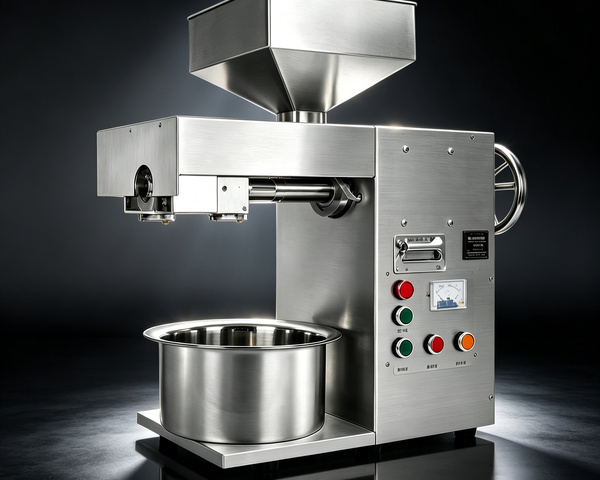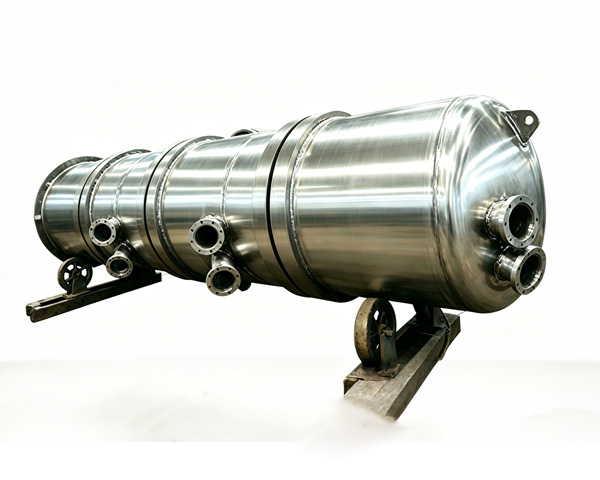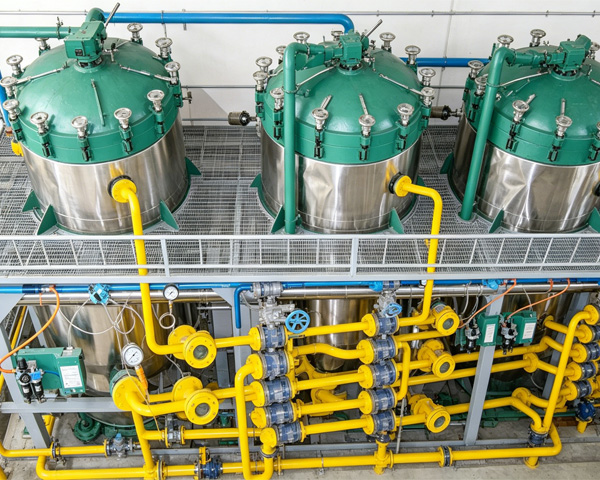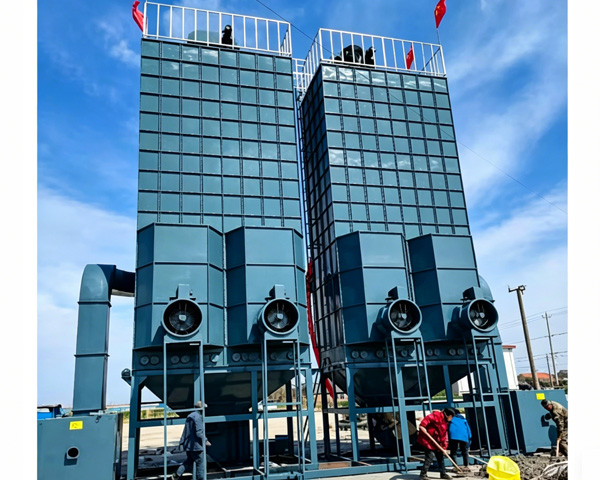
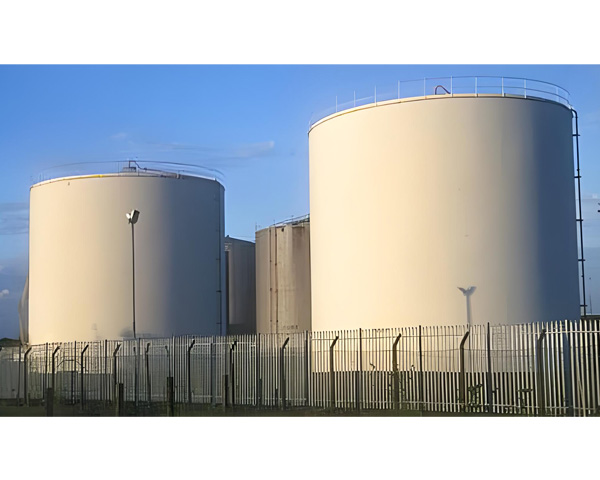
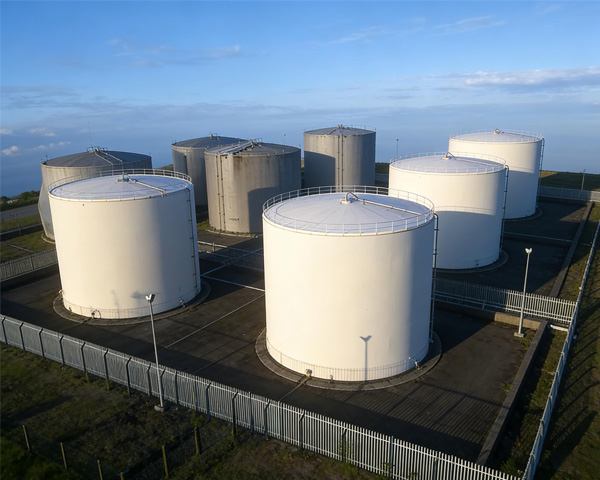
The oil storage tank is an indispensable storage facility in vegetable oil extraction production lines and refineries. It undertakes the entire storage task, from temporary crude oil holding to refined oil canning. Whether it is freshly extracted crude oil or refined oil that meets national standards after processing, it needs to be stored safely, stably, and with quality preservation in oil storage tanks, pending subsequent processing, filling, or sales.
Based on the type of oil stored, edible oil storage tanks are mainly divided into two basic categories:
- Crude Oil Storage Tank: Used for storing unrefined crude oil obtained from extraction or pressing processes. Crude oil contains a small amount of impurities, phospholipids, free fatty acids, etc. The tank design needs to consider factors such as sedimentation, heat preservation, and oxidation prevention.
- Refined Oil Storage Tank: Used for storing qualified edible oil after refining processes such as degumming, deacidification, bleaching, and deodorization. Refined oil has higher requirements for the storage environment, needing to ensure the oil is not contaminated or deteriorated, maintaining clear color and pure flavor.
The edible oil storage tanks we offer cover a capacity range from 1 ton (1000 liters) to 200 tons (200,000 liters) , meeting the different needs of small oil mills, mid-range refineries, and large-scale oil processing enterprises. Based on capacity and usage scenarios, we provide three structural forms of storage tanks: cubic storage tanks, horizontal cylindrical storage tanks, and vertical cylindrical storage tanks.
The design and manufacturing of oil storage tanks is a highly professional task, far from simple welding work. Parameters such as the tank’s diameter, height, wall thickness, head form, and reinforcement structure need to be precisely calculated based on storage capacity, liquid static pressure, temperature variations, local climatic conditions, etc., to ensure structural safety, long service life, and optimal material cost.
Product Definition and Classification
Edible oil storage tanks are container equipment specially used for storing various types of edible oil. Based on the nature of the stored oil and the process stage, they are mainly divided into the following two categories:
| Type | Storage Medium | Characteristics | Application Stage |
| Crude Oil Storage Tank | Unrefined crude oil (contains impurities, phospholipids, FFA, etc.) | Needs to consider sedimentation, heat preservation, oxidation prevention; material requires corrosion resistance | After extraction/pressing process, before refining process |
| Refined Oil Storage Tank | Qualified refined edible oil | Needs to ensure oil is not contaminated or deteriorated; good sealing, food-grade material | After refining process, before filling/sales |
According to capacity and structural form, they are divided into:
- Cubic Storage Tank: Capacity <3000 liters, compact structure, suitable for small-scale scenarios
- Horizontal Cylindrical Storage Tank: Capacity ≤25000 liters, low center of gravity, easy to install
- Vertical Cylindrical Storage Tank: Capacity 25000-200000 liters, small footprint, high material utilization
Core Features And Advantages Of KMEC Oil Storage Tank
- Wide Capacity Coverage, Flexible Selection:Offers a full range of storage tanks from 1 ton to 200 tons (1000L-200000L), meeting the needs of oil plants of different scales.
- Three Structural Forms, Adapting to Different Scenarios:Cubic, horizontal cylindrical, vertical cylindrical. Optimize selection based on capacity and site conditions.
- Team with Over 35 Years of Experience, Professional Design:Design led by senior technical personnel, precise structural calculations ensuring safety and reliability.
- Tailored Customization, Reasonable Capacity Planning: Jointly plan the optimal capacity based on customer production capacity, daily throughput, and turnover cycle.
- High-Quality Materials, Corrosion Resistant with Long Life:Uses high-quality carbon steel or stainless steel (optional). Smooth inner wall, easy to clean, meeting food hygiene requirements.
- Multi-Layer Anti-Corrosion Coating, Durable:Multi-layer protective paint for steel structures effectively resists external environmental corrosion, extending equipment life.
- Excellent Sealing Performance, Preserving Oil Quality:Tight sealing design prevents air ingress that could cause oil oxidation and rancidity, ensuring oil quality.
- Optional Accessories, Complete Functionality:Can be equipped with liquid level gauges, thermometers, breather valves, manholes, ladders, insulation layers, etc., to meet different process requirements.
- Full Process Service, Hassle-Free: Provides one-stop service from planning, design, manufacturing, anti-corrosion treatment to testing and delivery.
- Compliant with Standards, Safe and Reliable: Design and manufacturing follow relevant national standards and industry specifications. Parameters such as pressure ratings and wall thickness are scientifically calculated.
Positioning and Structure Selection Guide of Oil Storage Tank
- Daily Throughput/Output: Determine the required storage capacity (usually planned based on 7-15 days of output)
- Site Space: Vertical saves floor space, Horizontal has low height requirements
- Oil Properties: Whether crude oil requires sedimentation or insulation; whether refined oil requires nitrogen blanketing
- Climatic Conditions: Outdoor tanks need to consider corrosion protection, insulation, rain protection
- Investment Budget: Costs vary between different structural forms
Frequently Asked Questions (FAQ)
Q: What is the difference between a crude oil tank and a refined oil tank?
A: Crude oil tanks store unrefined oil and may need to consider sedimentation and corrosion resistance; refined oil tanks store oil after refining, requiring higher sealing performance and food-grade materials to prevent oxidation and contamination.
Q: How to choose the capacity of the storage tank?
A: Usually estimated based on daily throughput × storage days (7-15 days), while also considering production fluctuations and turnover cycles. We can assist you in precise calculation.
Q: What structural forms are available for storage tanks?
A: Cubic (<3000L), Horizontal Cylindrical (≤25000L), Vertical Cylindrical (25000-200000L), selected according to capacity and site conditions.
Q: Can the storage tank be made of stainless steel?
A: Yes. Carbon steel has lower cost and is suitable for crude oil; stainless steel (304/316L) has good corrosion resistance and is suitable for refined oil or scenarios with high food-grade requirements.
Q: Does the storage tank need anti-corrosion treatment?
A: Yes. The outer wall is treated with multi-layer protective paint for steel structures to prevent rust and corrosion; the inner wall can be coated or polished depending on the oil type.
Q: What accessories can be equipped?
A: Liquid level gauge, thermometer, breather valve, manhole, ladder, insulation layer, agitator, oil inlet/outlet, drain port, etc., are all optional.
Q: How long does design and manufacturing take?
A: Depending on capacity and complexity, generally 2-4 weeks for small to medium-sized tanks, 4-8 weeks for large tanks.
Q: What is the service life?
A: Under normal design use and maintenance, the life can reach 15-20 years.
Q: Can it be exported? Is transportation convenient?
A: Yes. We have rich export experience and can provide packaging and segmented design according to sea/land transport requirements (e.g., large tanks can be assembled on-site).
Q: Is installation service provided?
A: Yes. Technical personnel can be arranged for on-site installation guidance or responsible for installation according to customer needs.