Leading Castor Oil Plant Manufacturer
KMEC is a leading oil mill machinery company in China, specializing in designing and supplying complete turnkey projects for edible oil extraction plant, including advanced castor oil processing plant solutions. With decades of experience, we have successfully installed numerous oil pressing and solvent extraction projects worldwide, including in Indonesia, Pakistan, Thailand, Nigeria, Uganda, Tanzania, Cameroon, Russia, and Brazil. Each castor oil production line is tailored to local conditions and customer requirements.
If you plan to establish a cost-effective castor oil plant, feel free to contact us anytime. We will provide you with a customized solution and detailed project support.
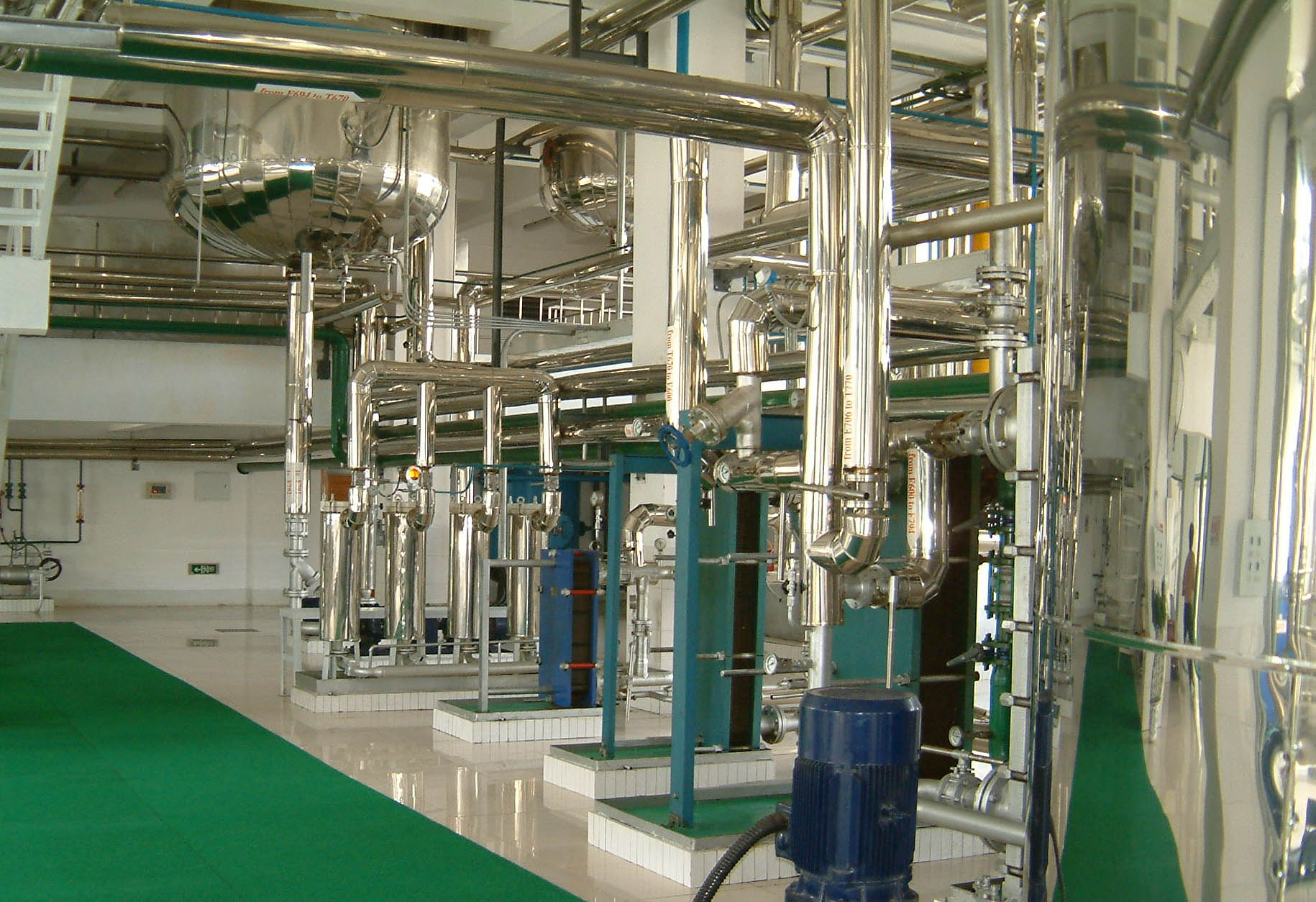
Introduction to Castor Oil Production
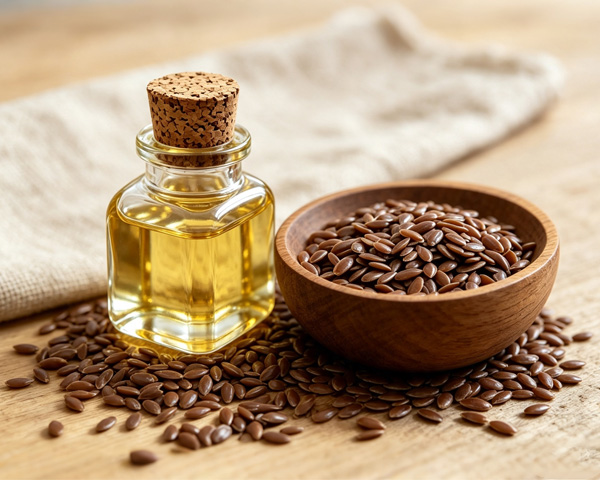
Castor oil, derived from the seeds of the Ricinus communis (castor oil plant), is a versatile vegetable oil with significant applications in industrial, pharmaceutical, and cosmetic sectors. Its unique chemical composition, particularly its high ricinoleic acid content, lends it invaluable utility across numerous industries.
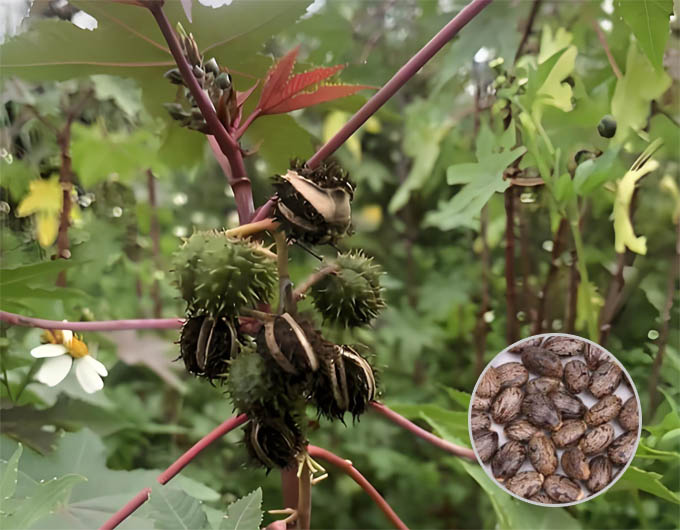
Castor Oil Processing Flow: A Step-by-Step Guide
KMEC specializes in providing comprehensive castor oil plant solutions—from raw seed processing to high-quality oil extraction—helping businesses establish efficient and profitable processing operations. Below are the detailed steps of a modern castor oil production process.
1. Seed Preparation & Dehulling
After harvesting, castor seeds are dried to reduce moisture. The outer hull must be removed to access the oil-rich kernel. KMEC offers both manual and mechanical castor seed dehulling equipment suitable for various scales of operation. Proper dehulling improves oil yield and quality.
2. Cooking & Conditioning
The dehulled seeds are then cooked under controlled temperature. This step:
- Coagulates proteins for better oil release.
- Inactivates ricin and other anti-nutritional factors.
- Enhances the efficiency of the subsequent castor oil pressing.
3. Prepressing with a Castor Oil Expeller
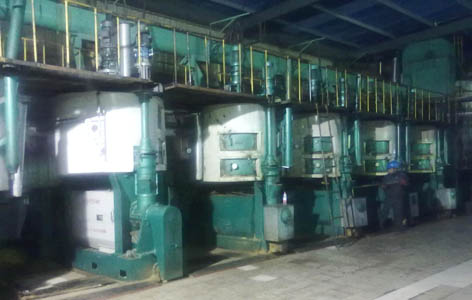
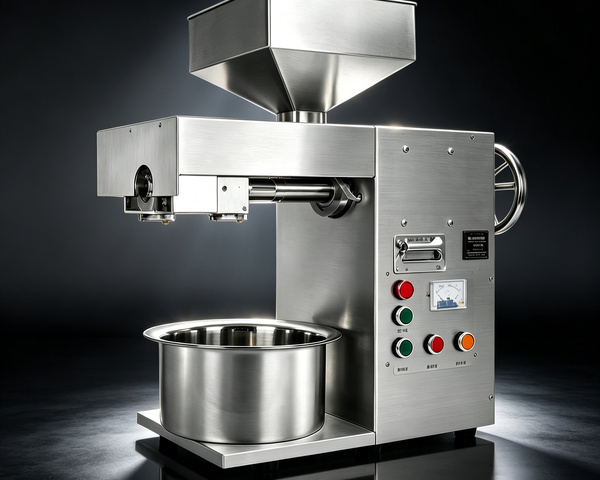
The conditioned seeds are fed into a high-pressure continuous screw oil press (also known as an oil expeller). This castor oil press extracts a significant portion of the oil, producing a cake with approximately 8–10% residual oil. The pressed oil is filtered, and any solids are recycled into the process.
4. Solvent Extraction (Optional for Higher Yield)
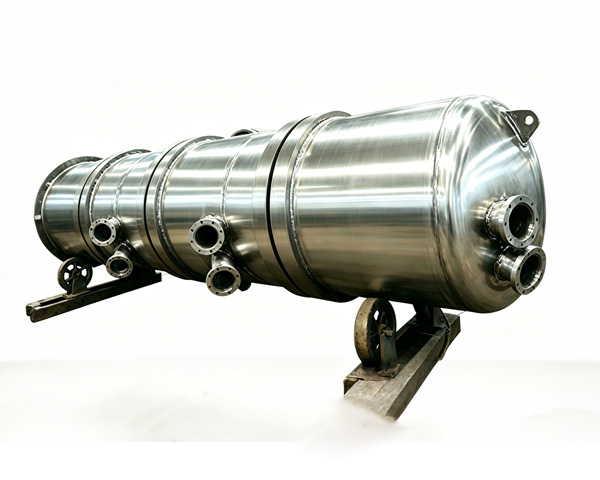
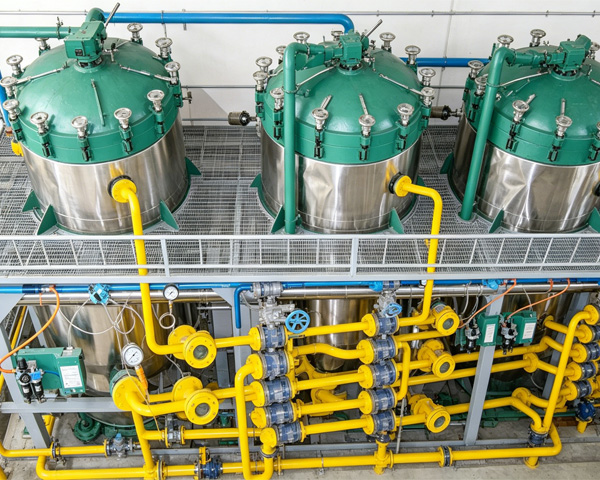
For maximum oil recovery, the leftover cake can be further processed via solvent extraction, typically using food-grade hexane. This step is common in large-scale castor oil production lines to achieve extraction rates exceeding 99%.
5.Oil Refining
Raw castor seed oil undergoes refining to remove impurities, including residual toxins, phospholipids, and free fatty acids. The final product is a pale yellow, pure triglyceride oil consisting of nearly 90% ricinoleic glyceride—the key component for high-grade castor oil.
Global Significance of Castor Oil Production
Castor oil holds a prominent position among industrial vegetable oils. While not a major edible oil like soybean or sunflower oil, global castor seed production remains substantial due to its irreplaceable applications in lubricants, biofuels, pharmaceuticals, cosmetics, and biodegradable plastics.
Historical data highlights its importance: in 1948, world castor seed production reached approximately 515,000 metric tons, yielding over 400 million pounds of oil. Today, demand continues to grow, driven by sustainable industrial applications and expanding bio-based economies.
Contact KMEC for Your Castor Oil Plant Project
If you are seeking a reliable castor oil plant supplier or require expert advice on castor seed oil extraction machinery, KMEC is your ideal partner. Whether you plan to install a small castor oil press or build a complete industrial plant, KMEC delivers customized, cost-effective solutions. We are committed to ensuring your castor oil business operates efficiently, safely, and profitably.
Request a quote or project consultation today!