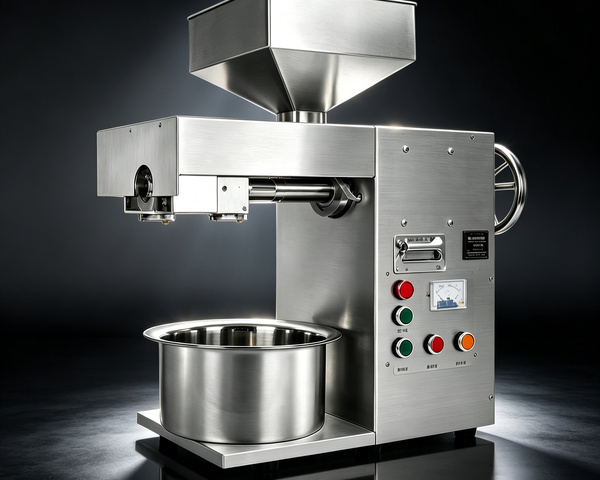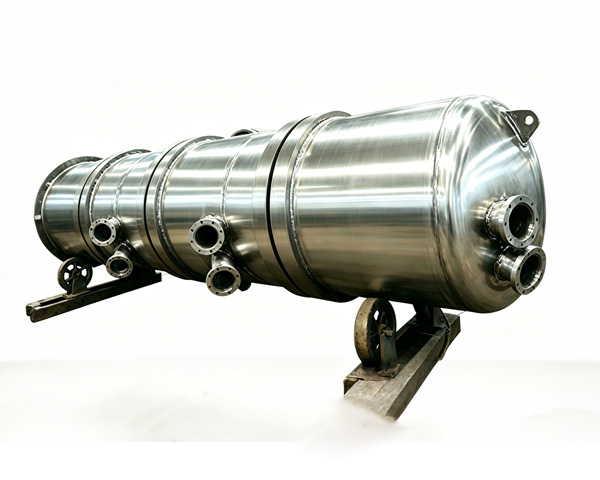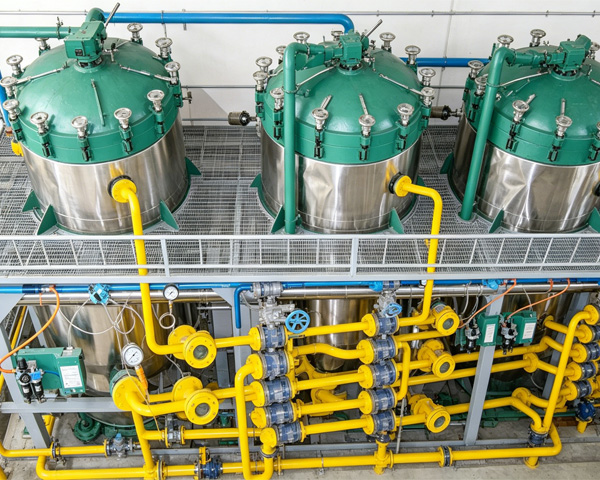
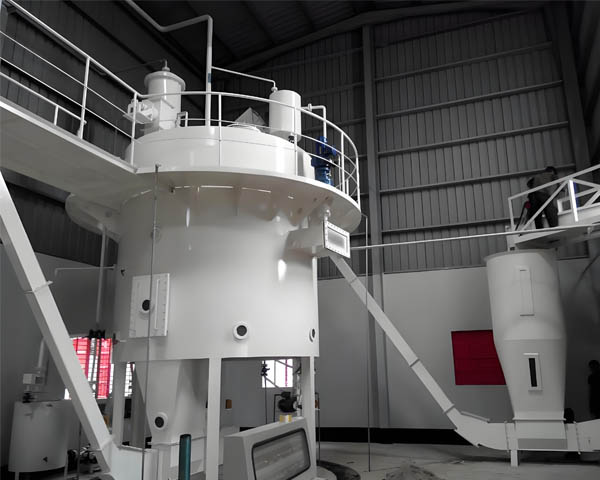
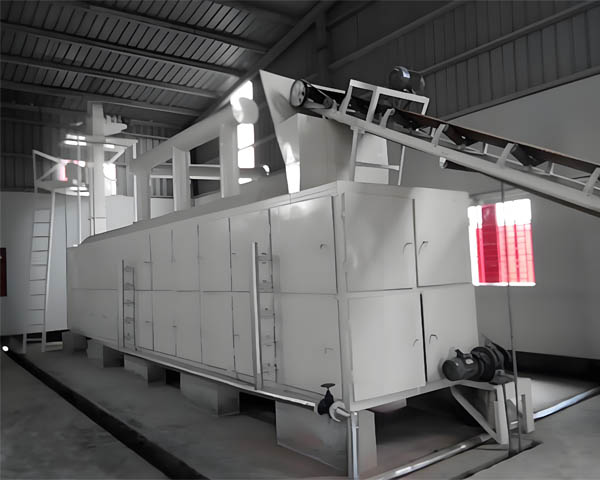
The rice bran oil solvent extraction plant is an industrial oil extraction production line specially developed for rice bran, a high-value byproduct. Rice bran, generated during rice processing, accounts for about 10% of the total weight of paddy rice but concentrates more than 64% of the rice nutrients, with an oil content of 16%–20%. Rice bran oil is one of the three major health oils recommended by the World Health Organization. It is rich in active ingredients such as gamma-oryzanol, phytosterols, and vitamin E, offering significant benefits for cardiovascular and cerebrovascular health, and its market price is much higher than that of common edible oils.
However, rice bran contains active lipase and is prone to rapid rancidity without timely stabilization. This equipment adopts the core technology route of “pretreatment stabilization + solvent extraction + low-temperature desolventizing” to maximize oil extraction while effectively retaining rice bran protein and trace active ingredients, achieving efficient co-production of oil and feed protein. The plant can be adapted to different capacities ranging from 100 tons per day to 6,000 tons per day, meeting the diverse needs of small-scale refineries to large-scale grain and oil processing bases.
Equipment Composition and Complete Process Flow
Complete Line Composition
| Module | Main Equipment |
| Pretreatment System | Vibrating screen, magnetic separator, vertical cooker, expander, plate dryer |
| Extraction System | Rotocel extractor, solvent circulation pump, counter-current spray device |
| Desolventizing System | DTDC desolventizer-toaster (pre-desolventizing layer + desolventizing layer + drying layer + cooling layer) |
| Evaporation System | First long-tube evaporator, second long-tube evaporator, stripper |
| Condensation and Recovery System | Multi-stage condenser set, mineral oil scrubber, solvent storage tank |
| Control System | PLC + SCADA intelligent control platform |
Detailed Process Flow of Rice Bran Oil Plant
Step 1: Rice Bran Pretreatment (Expansion and Stabilization)
Fresh rice bran first passes through a vibrating screen and magnetic separator to remove broken rice, husks, dust, and metal impurities, ensuring subsequent extraction efficiency and finished oil quality. The cleaned rice bran enters a vertical cooker, where steam is used to adjust the moisture content to 8%–10% and raise the temperature to 60–70°C. This heat treatment effectively inactivates lipase, preventing rancidity during storage and processing, and is a critical step for ensuring rice bran oil quality.
The conditioned rice bran enters an expander, where under high temperature, high pressure, and mechanical shearing, the material rapidly expands into a porous granular structure. Expansion increases the surface area of rice bran by 300%–400%, greatly improving solvent penetration efficiency. The expanded material then enters a plate dryer, where the moisture content is reduced to 3%–5% and the temperature is cooled to 50–55°C, providing ideal feed conditions for the extraction process.
Step 2: Solvent Extraction
The pretreated rice bran particles are conveyed through a closed system into a sealed extractor. The extractor uses a counter-current spray method, where the solvent (hexane) fully contacts the material and flows in the opposite direction to achieve efficient dissolution of the oil. The system precisely controls the extraction process:
- Solvent temperature: 50–55°C, ensuring good fluidity and permeability while avoiding excessive solvent volatilization caused by high temperatures
- Material temperature: 50–55°C, matching the solvent temperature to reduce heat exchange loss
- Solvent-to-material ratio: Controlled between 0.8:1 and 1.1:1
- Extraction time: 90–120 minutes
- Extraction performance: For rice bran with 18%–20% oil content, a miscella concentration of 18%–27% can be obtained, with residual oil in the defatted rice bran below 1%
After extraction, the system outputs two streams: miscella (oil + solvent) and wet meal (rice bran + residual solvent).
Step 3: Wet Meal Desolventizing (DTDC System)
The wet meal contains 25%–35% solvent, which must be thoroughly removed and recovered while preserving protein quality. This system uses a DTDC desolventizer-toaster, integrating pre-desolventizing, desolventizing, drying, and cooling:
- Pre-desolventizing layer: Utilizes rising secondary steam from the lower layer to preheat and initially desolventize the upper layer of wet meal, saving 15%–20% in steam consumption.
- Desolventizing layer: Material bed height is 500–750 mm. The mixing paddle rotates at 10–12 rpm, suspending the material and ensuring full contact with direct steam. Steam permeation density is controlled at 650–750 kg/(h·m²), with a temperature of 105°C, ensuring rapid solvent evaporation
- Drying and cooling: Further reduces moisture, bringing the final meal temperature to a safe storage range
After DTDC treatment, the residual solvent content in the rice bran meal is below 300 mg/kg, urease activity is stabilized at 0.15–0.25, and the protein dispersibility index (PDI) remains above 75%, making it an ideal high-protein animal feed ingredient.
Step 4: Miscella Evaporation and Stripping
The miscella from the extractor enters the evaporation and stripping system, where it undergoes three stages to obtain high-quality crude rice bran oil:
- First long-tube evaporator: Increases miscella concentration to 70% at 60°C.
- Second long-tube evaporator: Uses fresh steam to further increase the concentration to over 95%.
- Stripper: Under vacuum (pressure ≤ 350 mbar) and direct steam distillation, reduces the residual solvent in the oil to below 500 ppm
The final crude rice bran oil has a purity exceeding 99.5% and can be sent directly to the refining process to produce edible rice bran oil that meets national standards.
Step 5: Solvent Condensation and Recovery
The solvent recovery system directly affects the production line’s economic viability and environmental performance. This system centrally recovers solvent vapors from all equipment, including the extractor, DTDC, evaporators, and stripper:
- Primary condensation: Uses circulating water at 30–32°C to condense the majority of solvent vapors
- Secondary condensation: Uses chilled water below 7°C to condense low-boiling-point and residual solvent vapors
- Non-condensable gas treatment: Uses a mineral oil scrubber for final recovery of trace solvents in the tail gas
The efficient recovery system keeps solvent consumption at 1.5–2.5 kg per ton of material, significantly reducing production costs and environmental impact.
Technical Advantages of Rice Bran Oil Plant
- High Extraction Yield and Low Residual Oil
- Through the synergistic effect of expansion pore-forming and counter-current extraction, the residual oil rate in rice bran is consistently controlled below 1%, with miscella concentrations reaching up to 27%, achieving significantly higher oil yields compared to traditional processes.
- Intelligent Automation Control
- The system integrates a PLC and SCADA intelligent control platform, enabling automatic monitoring and adjustment of key parameters such as extractor start/stop, variable speed control, bin level, temperature, and pressure. This reduces manual intervention, minimizes operational errors, and ensures production stability.
- Energy-Saving Design
- The DTDC pre-desolventizing layer utilizes secondary steam, saving 15%–20% in steam consumption
- Integrated design of the evaporation and stripping systems improves thermal efficiency
- Optimized condenser flow path design achieves recovery efficiency more than 30% higher than the industry average
- High-Grade Corrosion-Resistant Materials
- Based on the characteristics of trace fatty acids in rice bran oil, the equipment can be manufactured from stainless steel, composite steel plates, or special alloys, ensuring corrosion resistance and long service life under continuous operation. Design and manufacturing strictly follow GB, ASME, and other international standards.
- High-Quality Feed Protein Retention
- Through precise temperature and time control, the desolventizing process thoroughly removes solvents while maximizing the retention of rice bran protein solubility and digestibility. The finished meal has urease activity stabilized within the ideal range and excellent PDI indicators, significantly enhancing the value of the byproduct.
Application Scenarios of Rice Bran Oil Plant
- Large and medium-sized grain and oil processing enterprises: Integrates with rice processing lines to achieve high-value utilization of rice bran resources
- Functional oil producers: Extracts high-quality rice bran oil for use in health products and functional food ingredients
- Overseas oil engineering turnkey projects: Provides one-stop services including complete line design, equipment supply, installation, and commissioning
Frequently Asked Questions
Q: Why does rice bran need pretreatment?
A: Fresh rice bran contains active lipase. Without timely inactivation, it will rapidly become rancid within a few hours, causing the oil’s acid value to spike and making it unfit for consumption. Pretreatment uses heating to inactivate the enzyme, which is an essential step for ensuring the quality of rice bran oil.
Q: What is the solvent consumption? Is it safe?
A: This system consumes only 1.5–2.5 kg of solvent per ton of material, significantly lower than the industry average. The system is designed with comprehensive explosion-proof, sealing, and recovery measures to ensure operational safety.
Q: What are the main uses of the finished meal?
A: After desolventizing, the rice bran meal has low residual solvent, high protein content, and good digestibility. It is a high-quality protein source for animal feed, widely used in swine, poultry, and aquaculture feed formulations.
Q: Can the equipment handle different raw materials?
A: This equipment can adjust process parameters based on the characteristics of the rice bran raw material (oil content, moisture, impurity ratio). It is also adaptable to extraction processes for other oilseeds, offering good versatility.
Services and Support
- Complete line customization: Provides tailored solutions based on customer capacity, site, and raw material conditions
- Installation and commissioning: Dispatches professional engineers to guide on-site installation and commissioning
- Operation training: Provides comprehensive technical documentation and on-site operation training
- Spare parts service: Long-term supply of original spare parts to ensure stable production line operation
- Upgrades and retrofits: Provides energy-saving retrofits and automation upgrades for existing extraction plants