
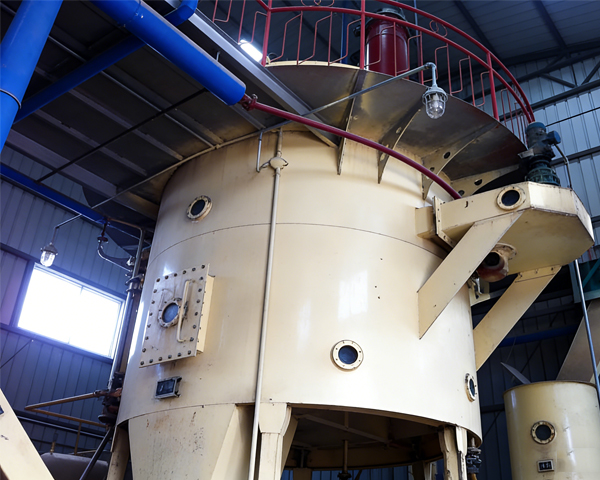
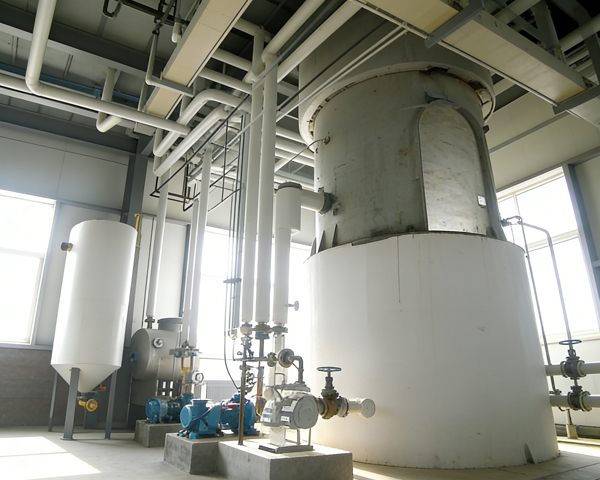
Unfortunately, even after solvent extraction and subsequent processing, trace amounts of hexane may remain in both the oil and the meal. Typically, these residual levels are extremely low and not associated with toxic effects; nevertheless, several government agencies have established limits to ensure safe levels of hexane exposure. For instance, the European Union has set a maximum residue limit (MRL) of 1 mg/kg for hexane in vegetable oils.
In contrast, the U.S. Food and Drug Administration (FDA) currently does not monitor or regulate hexane residues in most foods; it only establishes limits for isolated fish protein (5 ppm) and for hop extracts and spice resins (25 ppm). Even at trace levels, the cumulative effects of hexane exposure and ingestion remain relatively unknown—raising concerns about its long-term impact on both environmental and human health. Notably, hexane is recognized as an air pollutant, a fire hazard, and a substance that can be harmful to humans and animals through inhalation or ingestion.
Under the Clean Air Act, hexane is classified as a hazardous air pollutant and is regulated by the U.S. Environmental Protection Agency (EPA). The EPA has noted that no studies are currently available evaluating the toxicity of hexane ingestion in humans or laboratory animals. Due to its volatility, the most common route of exposure is inhalation of contaminated air; consequently, most existing research—though limited in scope—has focused on the effects of hexane exposure via inhalation rather than ingestion. The EPA considers the available data insufficient to assess the carcinogenic potential of hexane.
However, the EPA does acknowledge the potential hazards associated with hexane inhalation. Short-term inhalation exposure can cause mild effects on the central nervous system, including dizziness, nausea, and headaches. In contrast, long-term inhalation exposure may lead to neurological damage, numbness, muscle weakness, blurred vision, headaches, and fatigue. Accordingly, the EPA recommends an estimated safe inhalation exposure level of 0.2 milligrams of hexane per cubic meter of air (mg/m³). Similarly, the agency permits hexane emissions ranging from 0.2 to 1.2 gallons per metric ton of oilseeds processed.
To mitigate these occupational hazards, robust safety measures are essential in hexane extraction facilities. Preventive protocols include adequate ventilation, personal protective equipment (PPE), and standard operating procedures designed to prevent fires, explosions, and other incidents.
Approaches to Optimizing Solvent Extraction
Although large-scale solvent processors dominate the commodity vegetable oil market, this method has inherent limitations: hexane extraction facilities are not eligible to produce organic-certified products due to the use of hazardous chemicals.
Driven by the growing demand for natural and organic ingredients, some processors are turning to more environmentally friendly extraction methods. These alternatives include water-based enzyme-assisted extraction, the use of bio-based solvents such as those derived from citrus peels and tree oils (often referred to as green solvents), or the adoption of mechanical pressing in place of conventional hexane extraction. Mechanical pressing is particularly favored by the organic sector, as it physically expels oil from oilseeds without the use of any chemicals—using screw presses, hydraulic presses, or traditional expeller presses—thereby yielding chemical-free expeller-pressed meal and high-quality vegetable oil.
Both mechanical pressing and hexane extraction have their respective roles in the oilseed market, serving distinct industry needs ranging from organic foods and biofuels to hundreds of other edible and industrial applications. Selecting the appropriate oil extraction method depends on the type of oilseeds being processed and the specific end markets to be served.