
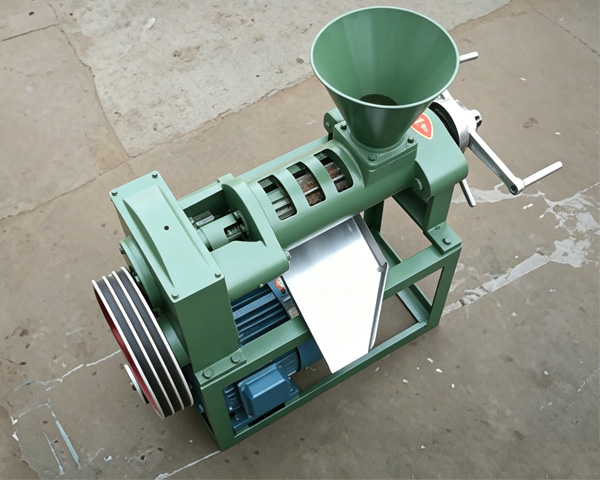
How to Increase Oil Yield from a Peanut Oil Press? 5 Practical Methods to Boost Production
The peanut oil press is a key piece of equipment in the oil processing industry. Oil yield directly affects production efficiency and economic returns. Many users encounter lower‑than‑expected oil yields, but by mastering a few simple techniques you can effectively improve output. Below are five practical tips covering raw materials, heating, press adjustment, maintenance, and oil residue treatment.
1. Choose High‑Quality Raw Materials – The Foundation of Oil Yield
The quality of peanuts is the first and most important factor determining oil yield. Good‑quality peanuts should have the following characteristics:
– Moderate maturity and full, plump kernels
– No mold, insects, or foreign matter
– Moisture content within a reasonable range (typically 8–10%)
Recommendation: Avoid using over‑mature, sprouted, or moldy peanuts. Moldy peanuts not only reduce oil yield but also harm oil quality and may produce harmful substances. If possible, screen and grade the raw material before pressing.
2. Apply Proper Heating – Release More Oil
Heating the peanuts before pressing (often called “cooking the material”) breaks down cell structures and lowers oil viscosity, making the oil easier to extract. However, temperature and time must be strictly controlled:
– Recommended temperature: 120–140 °C (248–284 °F)
– Time: 20–30 minutes (depending on moisture content and roaster performance)
– Indicator: Peanut kernels turn light yellow, give off a rich aroma, but are not burnt.
Note: Excessively high temperature or too long heating can cause oil oxidation, lowering both oil quality and yield. We recommend using a roaster with temperature control to ensure even heating.
3. Adjust the Oil Press Properly – Match Raw Material Characteristics
Different batches and varieties of peanuts have different oil contents and physical properties. The press settings – such as pressing force, screw speed, and feed rate – should be adjusted accordingly:
– Pressing force: For high‑oil peanuts, you can increase pressure slightly; for shriveled or low‑oil peanuts, too much pressure may cause clogging.
– Screw speed: Too high a speed shortens the time material spends in the press cage, leaving oil unextracted; too low a speed reduces throughput. Always stay within the speed range recommended in the equipment manual.
– Uniform feeding: Avoid irregular feeding – maintain a steady, continuous feed rate to improve oil extraction stability.
Tip: When using a new variety of raw material for the first time, run a small test batch. Observe the oil output and residual oil in the cake, then fine‑tune the press settings.
4. Clean and Maintain Regularly – Extend Machine Life & Ensure Efficiency
After prolonged use, oil residues and impurities build up on the press cage, screw shaft, and other parts. This increases friction, weakens sealing, and directly lowers oil yield. Regular cleaning and maintenance are therefore essential:
– After each day’s work: Clean residual cake from the press cage and check that the cake outlet is clear.
– Weekly maintenance: Inspect wear parts (e.g., press bars, screw rings) and replace them if worn; lubricate bearings with grease.
– Monthly deep cleaning: Disassemble and clean the inside of the press cage to remove carbon deposits and gum, ensuring smooth oil flow.
Note: If oil yield drops significantly and raw material quality is not to blame, first check whether the press cage clearance has increased. Adjust or replace parts as necessary.
5. Scientifically Treat the Oil Residue (Cake) – Recover Residual Oil
The peanut cake left after pressing still contains a certain amount of residual oil (typically 6–10%). Properly treating this residue can indirectly increase the overall oil yield:
– Second pressing: Collect the cake and mix it with a small amount of fresh peanuts (ratio about 1:3 to 1:4), then press the mixture again.
– Solvent extraction (for larger oil mills): Use food‑grade solvent to extract oil from the cake, recovering most of the residual oil.
– Use as animal feed or organic fertilizer: If you do not want to extract more oil, process the cake into high‑protein animal feed or organic fertilizer for additional revenue.
Recommendation: For small to medium‑sized oil pressing workshops, the “mixing and re‑pressing” method is the most economical and practical – it is simple and effective.
Increasing the oil yield of a peanut oil press is not complicated. The key is the coordinated application of “quality raw materials + proper heating + correct press adjustment + regular maintenance + oil residue recovery.” By following these five steps in your daily production, your equipment will run efficiently, reduce raw material loss, and improve overall economic returns.
If you are considering buying or already using a peanut oil press, feel free to follow our website for more equipment operation tips and maintenance guides.