
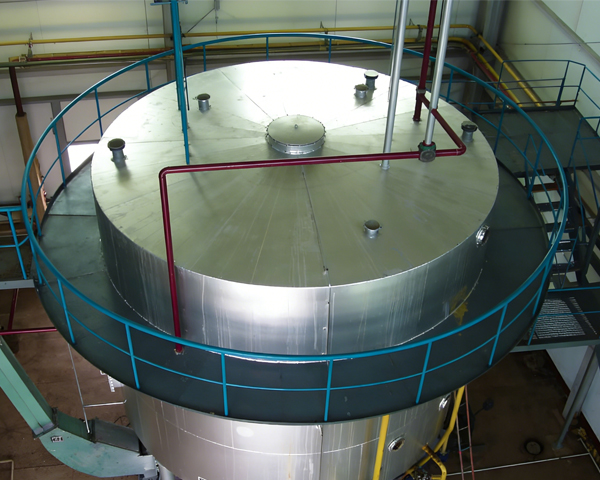
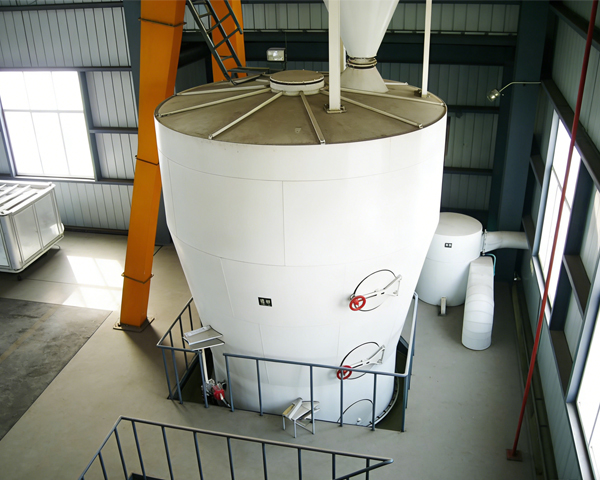
Solvent extraction is the predominant method used in the oilseed processing industry, particularly for oilseeds such as soybeans, and is the most widely adopted technique globally. Over 80% of the world’s vegetable oils are produced through this method. Most large-scale solvent extraction facilities use hexane as the solvent to dissolve and separate the chemical components within oilseeds. This process is entirely physical, involving no chemical reactions, and yields two main products: liquid fats (oils) and solid proteins (meal)—both of which serve as critical raw materials in the food industry and various other markets.
With the growing consumer preference for natural, organic, and chemical-free products, some scrutiny has arisen regarding the widespread use of hexane extraction in the modern food supply chain. Nevertheless, hexane—the primary solvent used in oilseed extraction—offers several advantages that sustain its dominant position in the industry.
In this blog post by Anderson, a long-established American manufacturer of oilseed processing equipment, hexane extraction is examined in detail. The discussion covers what hexane extraction is, why it remains the preferred method for large-scale oilseed processing, and why some processors may seek more environmentally friendly alternatives.
What Is Hexane?
Hexane (C₆H₁₄) is a hydrocarbon derived from crude oil. In fact, it is chemically similar to gasoline; it is simply a lighter molecule, consisting of six carbon atoms, whereas gasoline (octane) contains eight. Pure hexane is a colorless, volatile solvent that is nearly immiscible with water. It is highly volatile and flammable, and its vapors can be explosive.
Although hexane can pose potential hazards, it has a wide range of industrial applications, including in the food sector. For instance, it is commonly used as a cleaning agent in textile and furniture manufacturing, a degreaser in the printing industry, and a base component in paint thinners and adhesives—from industrial footwear and roofing materials to everyday household products such as rubber cement and spray adhesives.
Most notably, hexane serves as the primary solvent for extracting edible and industrial vegetable oils from the world’s five major commodity oilseeds: soybeans, rapeseed (canola), sunflower seeds, cottonseed, and peanuts.
The Hexane Extraction Process
Oilseeds such as soybeans are cleaned, cracked, conditioned, and dried before being formed into thin flakes or expanded pellets. These prepared materials are then introduced to the solvent extraction plant, where they are soaked with hexane. Proper pretreatment helps rupture oil-bearing cells and increases the surface area of the seed material, allowing for thorough solvent penetration and more efficient oil extraction. During the extraction process, hexane flows through the soybean flakes or collets, rapidly dissolving the oil from the solid seed matrix.
The hexane extraction process yields two intermediate streams: a mixture of oil and hexane called miscella (which contains approximately 25–35% oil), and the remaining solids, which retain about 25–30% hexane. Both streams require further heating and processing to recover as much hexane as possible. The defatted meal is sent to a desolventizer-toaster, where it is heated to volatilize the hexane without compromising the nutritional quality of the meal. Meanwhile, the miscella is subjected to steam distillation to vaporize the hexane, which is subsequently recovered and condensed for reuse, while the oil is further refined, bleached, and deodorized.
Although the majority of hexane is recovered from the final products, the solvent extraction process typically results in losses of 1.5 to 2 liters of hexane per metric ton of oilseeds processed. These losses may occur as trace amounts remaining in the crude oil and meal, or through emissions via vents, hot water discharges, or other leaks.
Why Is Hexane Used in Oil Extraction?
Processors favor hexane as the extraction solvent for several reasons, rooted in the principle of “like dissolves like.” Hexane and oil are both nonpolar, hydrophobic substances, meaning they do not mix with water and interact effectively during extraction.
The preference for hexane as an extraction solvent is due to the following key advantages:
- Favorable Physical Properties. Hexane exhibits a high evaporation rate and a low boiling point (approximately 69°C or 156°F), making it highly suitable for extraction processes. It remains liquid at room temperature, is easy to handle across a wide range of temperatures, and its low boiling point allows for efficient oil recovery with relatively low energy consumption.
- Maximized Oil Yield. Solvent extraction is the most effective method for oil recovery, capable of reducing residual oil content in the meal to below 1%. For high-capacity processors aiming to maximize operational efficiency, this method offers significant economies of scale. Solvent extraction is best suited for large-scale facilities processing 500 to 1,000 metric tons or more per day. Compared to mechanical pressing, which typically handles smaller capacities (e.g., 100 metric tons per day) and leaves up to 6% residual oil in the meal, the additional oil yield from solvent extraction provides a substantial economic advantage.
- Preservation of Product Quality. Hexane acts as a selective solvent, meaning it preferentially extracts lipids from the seed material without degrading other nutritional components, fiber, or protein content. This preserves the nutritional value of the co-product—defatted meal—generated during the extraction process.
Given its widespread application in the solvent extraction of the world’s major oilseed commodities, hexane plays an essential role in enabling an efficient and cost-effective global food supply chain. However, this does not imply that hexane extraction is without limitations or opportunities for improvement.