
In the production of edible oils, refining is a critical step that determines oil quality, safety, and economic value. Whether it’s soybean oil, rapeseed oil, cottonseed oil, or palm oil, the crude oil obtained from pressing or solvent extraction contains various impurities that must be removed through refining to produce high-quality edible oil that meets national standards. So, why does edible oil need refining? This article provides a detailed answer.
1. The Core Objectives of Edible Oil Refining
The main purposes of oil refining can be summarized as follows:
- Improve storage stability: Crude oil contains moisture, free fatty acids, and peroxides, which can easily lead to rancidity. Refining removes these components, significantly extending the shelf life of the oil.
- Enhance flavor: Crude oil often carries grassy, earthy, or other undesirable odors. The deodorization step in refining effectively eliminates these off-flavors, resulting in a neutral and pure taste.
- Improve color: Crude oil is typically darker due to pigments such as chlorophyll and carotenoids. Through bleaching, the oil becomes clear and bright, enhancing its commercial value.
- Provide high-quality raw material for further processing: Refined oil has higher purity, making it suitable for further processing into products like margarine, shortening, and blended oils.
2. Key Processes in Edible Oil Refining
Edible oil refining typically involves the following key steps:
- Degumming:The purpose of degumming is to remove gum impurities from the oil, mainly phospholipids. In industrial production, the hydration degumming method is commonly used, where an electrolyte solution is added to allow colloidal impurities to absorb water and coagulate, thereby achieving oil-water separation. The phospholipids produced during degumming are a high-value byproduct widely used as emulsifiers and stabilizers in the food industry.
- Deacidification:Crude vegetable oils contain varying amounts of free fatty acids. High acid values can affect oil quality and safety. Deacidification is mainly carried out through alkali refining or distillation (physical refining), with the latter being especially suitable for refining oils with high acidity.
- Bleaching:Through adsorption bleaching, adsorbents such as bleaching clay are used to remove pigments and residual impurities from the oil, resulting in a clearer and lighter color.
- Deodorization:Deodorization uses high-temperature distillation to remove volatile compounds such as aldehydes, ketones, low molecular weight fatty acids, and other odor-causing substances, ensuring the oil has a neutral flavor. During this process, valuable components like tocopherols (Vitamin E) can be recovered for use as antioxidants or in health products.
3. Three Key Advantages of Edible Oil Refining
- Improved Appearance and Clarity
- The bleaching and deodorization steps in refining not only remove unwanted colors and odors but also help eliminate waxes, ensuring the final oil remains clear and free from cloudiness caused by wax precipitation during storage.
- Generation of High-Value Byproducts
- Oil refining is not just a purification process—it also enables the recovery of valuable byproducts. In addition to phospholipids and Vitamin E, palm oil refiners can separate palm stearin and palm olein based on melting points, catering to different application needs.
- Food Safety Assurance
- Some crude oils contain naturally occurring toxins. For example, cottonseed oil contains gossypol, a compound with reproductive toxicity, which must be removed through refining to make the oil safe for consumption. Refining effectively eliminates harmful impurities, safeguarding consumer health.
4. How to Choose the Right Edible Oil Refining Equipment
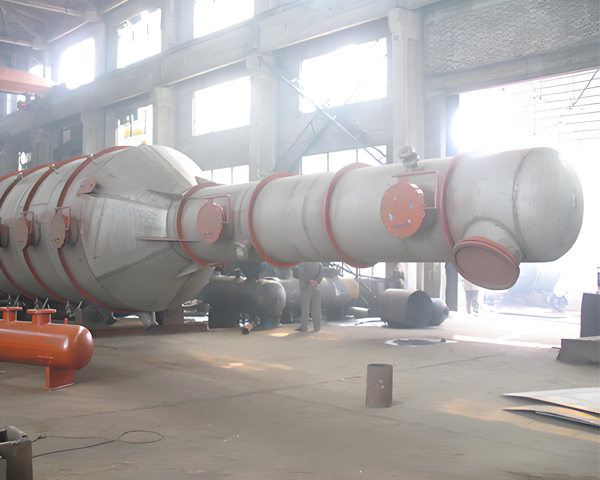
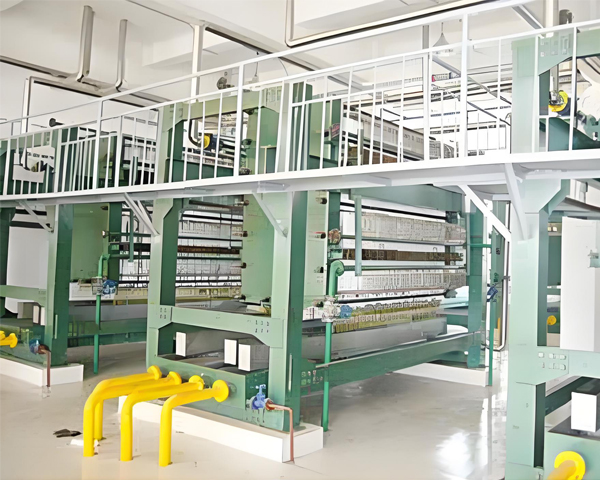
Implementing an effective refining process requires professional edible oil refining equipment. Oil processing companies with different scales and needs should choose equipment that matches their requirements. Typically, three types of refining equipment are available:
- Batch-Type Edible Oil Refining Equipment:Ideal for small-scale refineries with capacities of 1–20 tons per day. This equipment offers operational flexibility and lower initial investment, making it suitable for small-scale production or processing multiple types of oils.
- Semi-Continuous Edible Oil Refining Equipment:Designed for medium-scale refineries with capacities of 20–50 tons per day. These units are easy to operate, feature a higher degree of automation, and can be managed by staff after short-term training.
- Fully Continuous Edible Oil Refining Equipment:Best suited for large-scale refineries with capacities of 50–600 tons per day. This system enables fully automated refining, significantly reducing labor and time costs, and is ideal for high-volume, standardized production.
5. The Necessity of Edible Oil Refining
Why does edible oil need refining? The reasons can be summarized into four key points:
– Enhanced storage stability: Removes moisture and free fatty acids to prevent rancidity.
– Improved color and flavor: Delivers clear, transparent oil with a neutral taste.
– Food safety: Eliminates harmful substances such as gossypol.
– Increased economic value: Recovers valuable byproducts like phospholipids and Vitamin E.
Refining is not only a necessary step in oil processing but also a critical factor in improving product competitiveness and expanding market opportunities. Choosing a reliable and efficient edible oil refining equipment solution is a key step for any oil producer aiming for high-quality production.